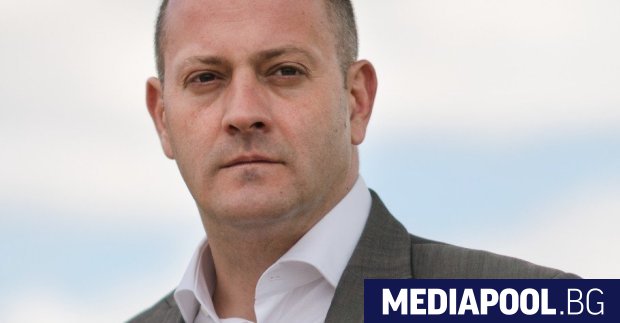
Bulgarian political circles are actively debating the framework for the upcoming presidential elections, with prominent figures outlining early strategies for potential coalitions and structural alternatives. Radan Kanev publicly proposed that Andrey Gyurov could serve as a unifying presidential candidate capable of establishing a concrete political alternative to current incumbent Rumen Radev. The discussion comes as major political factions across the country begin positioning themselves well ahead of the scheduled electoral cycle, evaluating potential alliances and institutional balances of power.
The debate intensified following recent statements from political leaders regarding potential candidacies and governance models. Political actors across the spectrum are currently weighing how upcoming candidate selections could reshape the country’s executive-legislative dynamics and influence long-term political stability.
The unfolding dialogue highlights deep divisions over how future presidential powers might interact with parliamentary majorities and existing political formations. Observers note that while formal campaign declarations remain months away, the strategic maneuvering over potential standard-bearers has already set the tone for the political year.
Strategic Alignment and Alternative Visions
Radan Kanev’s proposal to position Andrey Gyurov as a consensus figure aims to consolidate disparate democratic factions against the influence of President Rumen Radev. According to coverage by Mediapool.bg, such a candidacy would seek to bridge gaps within the reformist space, offering voters a distinct alternative that challenges the current political status quo. Proponents of this approach argue that a unified center-right and reformist front is essential to prevent political fragmentation during the national vote.
Simultaneously, other political heavyweights have floated alternative scenarios. Dnevnik.bg reported that GERB leader Boyko Borisov characterized Iliyana Yotova as a strong potential presidential candidate, while concurrently calling for a broader consolidation of right-of-center political forces. This perspective emphasizes stability and broad-based institutional experience, contrasting sharply with the reform-oriented proposals coming from democratic coalition partners.
Critiques of these alternative configurations have been swift. As noted by Club ‘Z’, figures such as Bozhanov cautioned that electing a candidate closely tied to the current executive architecture could function as a de facto third term for President Rumen Radev, effectively muting institutional opposition. These competing interpretations underline the high stakes involved in selecting figures who can command broad electoral support while maintaining constitutional oversight.
Timeline for Candidate Nominations and Electoral Preparations
While political parties are actively testing names in the public sphere, formal announcements are expected to follow traditional electoral calendars. Georgi Georgiev of GERB stated that his party will likely unveil its official candidates for president and vice-president in September, adhering to its established organizational timeline, as reported by BNT.
This phased approach allows political organizations to gauge public sentiment and assess the viability of coalition proposals before locking in their tickets.
Readers are encouraged to share their perspectives on these evolving coalition dynamics and join the conversation in the comments section below.