
Acute-on-chronic liver failure (ACLF) represents a complex and life-threatening condition characterized by the sudden deterioration of liver function in patients previously diagnosed with cirrhosis. This clinical syndrome is frequently associated with systemic inflammation and the potential for multi-organ failure. Understanding the role of therapeutic interventions, such as plasma exchange, is a critical area of focus for hepatologists and critical care specialists working to improve patient outcomes in intensive care settings.
For patients facing this diagnosis, the management of organ failure is paramount. Clinical research has increasingly focused on evaluating how advanced support therapies can stabilize patients who present with one, two, or even three organ failures during an ACLF episode. These studies are essential for establishing evidence-based protocols that move beyond standard supportive care, aiming to address the underlying inflammatory cascade that drives rapid systemic decline.
Understanding the Clinical Complexity of ACLF
Acute-on-chronic liver failure is distinct from the typical progression of chronic liver disease. According to the European Association for the Study of the Liver (EASL), ACLF is defined by a rapid increase in liver-related morbidity and high short-term mortality rates, often triggered by precipitating events such as bacterial infections, alcoholic hepatitis, or gastrointestinal bleeding. The clinical picture is defined by the number of organ systems—including the kidneys, brain, lungs, and circulatory system—that are failing at the time of admission.
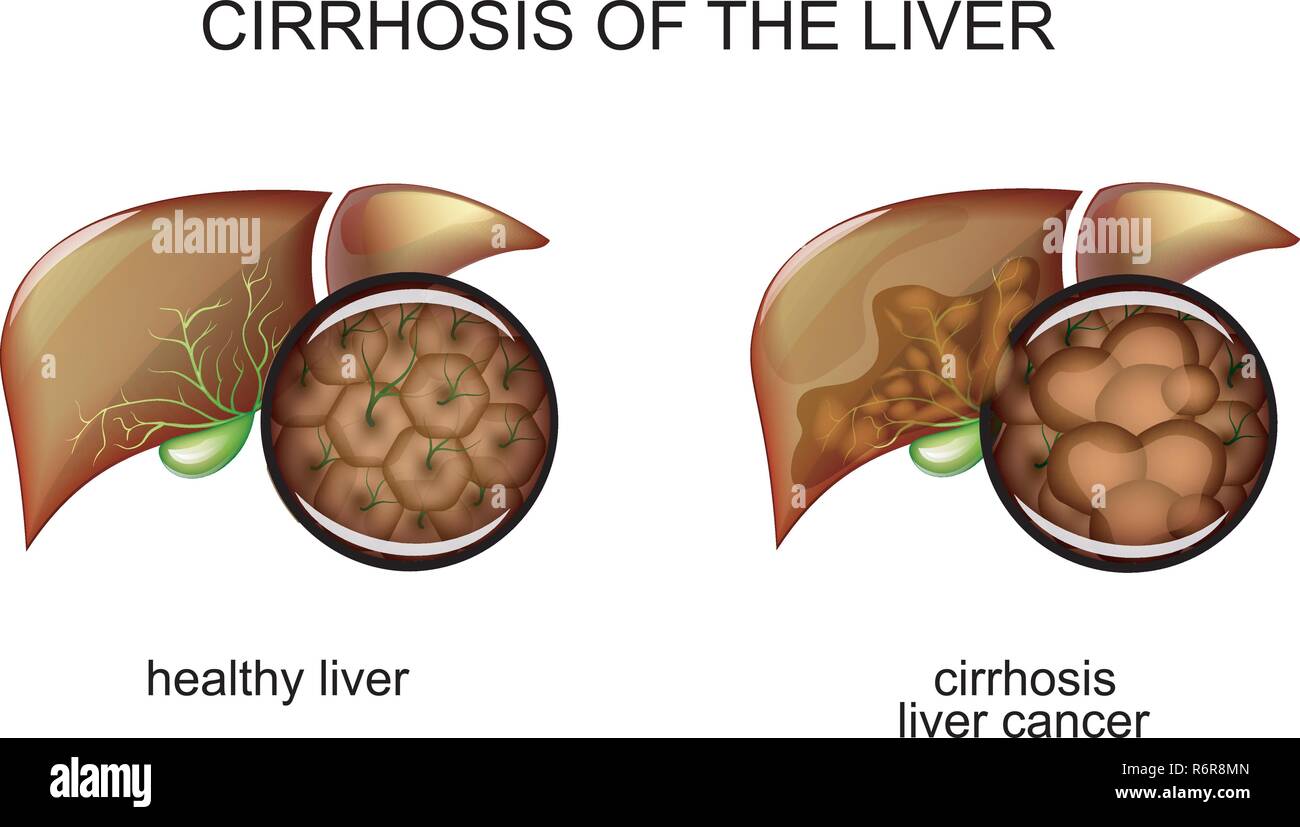
The severity of the condition is often categorized by the extent of organ involvement. Patients with three or more organ failures face significantly higher mortality risks compared to those with single-organ involvement. As noted by the American Association for the Study of Liver Diseases (AASLD), the management of these patients requires a multidisciplinary approach, often involving hepatology, nephrology, and intensive care medicine to manage the systemic inflammatory response that characterizes the syndrome.
The Role of Therapeutic Plasma Exchange
Therapeutic plasma exchange (TPE) is being investigated as a potential bridge for patients with ACLF. The underlying hypothesis is that by removing inflammatory mediators and toxic substances from the plasma, clinicians may be able to mitigate the systemic inflammatory response and reduce the burden on failing organs. This approach is particularly relevant for patients who do not respond to initial medical management and are not immediate candidates for liver transplantation.

Research published in the Journal of Hepatology has highlighted that while plasma exchange is not a replacement for liver function, it may provide the physiological stability necessary for a patient to recover or to reach a state where further definitive interventions, such as transplantation, become viable. The procedure involves the continuous removal and replacement of patient plasma with donor-derived solutions or albumin, a process designed to reset the internal biochemical environment.
Challenges and Future Directions
The implementation of plasma exchange in an ICU environment is not without logistical and clinical challenges. The procedure requires specialized equipment and trained personnel to manage potential complications, such as electrolyte imbalances or coagulopathy. Furthermore, as indicated by guidelines from the American Society for Apheresis (ASFA), patient selection remains a critical component of successful therapy; not all patients with ACLF will derive the same benefit from TPE, and identifying the specific biomarkers that predict a positive response is an active area of investigation.
Looking ahead, the focus of the medical community remains on large-scale, prospective clinical trials to standardize the use of extracorporeal liver support systems. By refining the criteria for when to initiate these therapies—and for which patient populations—researchers hope to lower the high mortality rates currently associated with multi-organ failure in cirrhotic patients. Future updates from international hepatology congresses are expected to provide further clarity on the integration of these support therapies into standard care pathways.
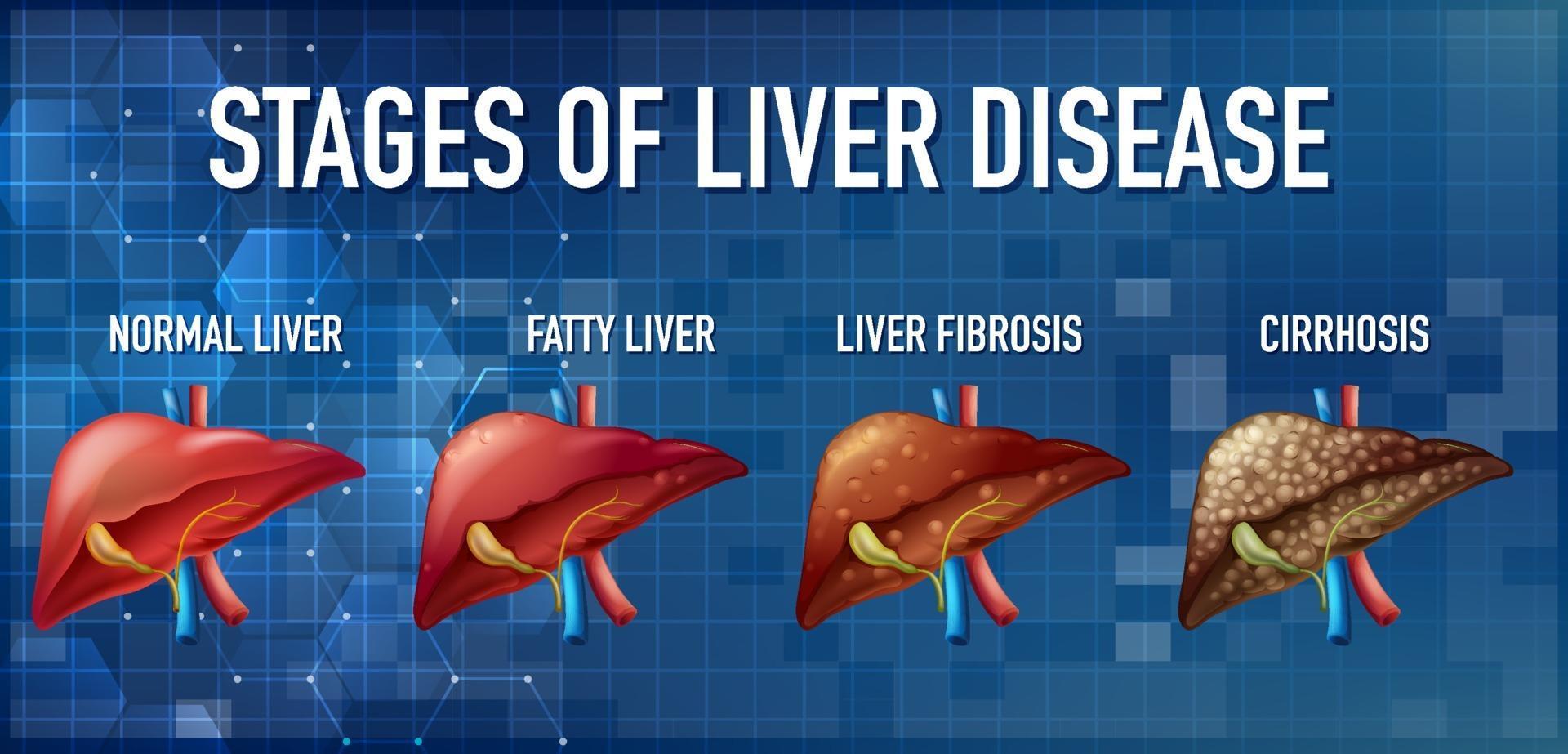
As research continues to evolve, patients and their families are encouraged to consult with their specialized care teams at accredited transplant or liver centers to discuss the most current treatment options available. For ongoing updates regarding clinical trial results and emerging standards of care, stakeholders should monitor official communications from the World Health Organization and regional hepatology societies.
Have you or a loved one been affected by liver disease, or are you a healthcare professional interested in the latest research? Share your thoughts and questions in the comments section below.
Keep reading