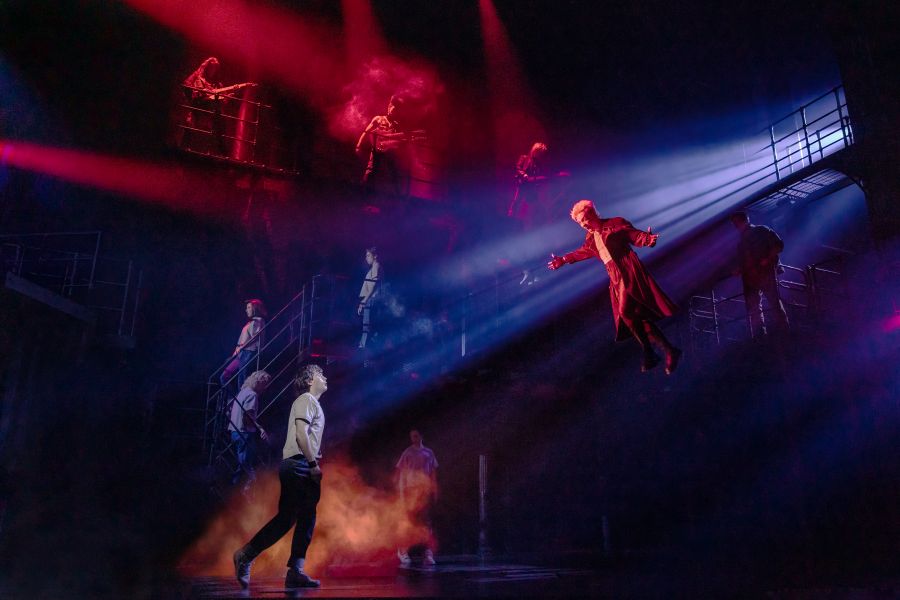
Broadway’s 2025-26 season has arrived with a distinct aesthetic, leaning heavily into 1980s intellectual property and retro-inspired productions. As audiences flock to midtown Manhattan to experience these shows, theatergoers and critics are debating whether this trend represents a simple search for brand-name escapism or a deeper, perhaps subconscious, response to the complexities of the current age. With 41 professional theaters currently operating in the district, the industry remains a powerhouse of American culture, generating approximately US$1.54 billion in ticket sales during the 2022–2023 season, a figure that held steady through the 2023–2024 season, according to data from The Broadway League.
For many, the appeal of these productions is rooted in a familiar comfort. The Theater District, centered near Times Square, continues to function as an internationally prominent tourist destination, where major musicals remain the primary engine of the local economy. While the term “Broadway” is eponymous with the district, the physical reality is that only three venues—the Broadway Theatre, the Palace Theatre, and the Winter Garden Theatre—actually sit on the Broadway thoroughfare itself. The rest are nestled along the numbered cross streets, extending from West 41st Street up to the Vivian Beaumont Theater at Lincoln Center, as noted in historical records of New York City’s theatrical infrastructure.
The Mechanics of Modern Nostalgia
The reliance on established intellectual property is not a new phenomenon, but the current volume of retro-themed shows suggests a specific strategic pivot. By prioritizing stories that already possess a recognizable cultural footprint, producers are effectively mitigating the risks inherent in live theater investment. This “neon nostalgia” approach allows theaters to capitalize on generational affection for the 1980s and 90s, transforming iconic film and literary concepts into stage-ready experiences. For the international visitor, these titles offer a bridge between the screen and the stage, turning a night out into a curated event of collective memory.

However, this trend poses a question for the future of the art form: does the reliance on past hits crowd out the development of original, contemporary narratives? While the commercial success of these productions is well-documented, the long-term health of the theater industry relies on a balance between the familiar and the transformative. As attendance levels hover around 12.3 million people per season, the industry must weigh the immediate financial security of brand-name revivals against the need to cultivate a new generation of writers and composers who may be looking to tell stories that reflect the world as it exists today, rather than as it was decades ago.
Regional Perspectives and Touring Realities
The appetite for Broadway-caliber production is not confined to the streets of Manhattan. Touring productions bring the same high-level commercial theater to regional hubs, allowing audiences across the United States to engage with the same brand-name titles. In Omaha, Nebraska, for example, the Orpheum Theater serves as a primary venue for these touring events, with programming that often mirrors the trends seen on the East Coast. As noted by Omaha Performing Arts, the upcoming schedule includes major touring productions, such as the musical Wicked, which is set to run from June 17 through July 5, 2026. This connection between the national touring circuit and the New York stage reinforces the status of these productions as a shared cultural language.
Understanding the distinction between these venues is essential for any theatergoer. In New York, the industry maintains a strict hierarchy: productions in theaters with 500 or more seats are designated as “Broadway,” while smaller venues are categorized as “off-Broadway,” and venues with fewer than 100 seats are labeled “off-off-Broadway.” This classification system is not merely academic; it dictates the scale, budget, and artistic ambitions of the work presented. Whether in a historic 500-seat theater in the heart of the district or a regional performing arts center, the goal remains the same: to deliver a professional theatrical experience that resonates with a modern audience.
Looking Ahead
As we move through the remainder of 2026, the industry’s focus will likely remain on maintaining the momentum established over the previous two seasons. The reliance on legacy IP will undoubtedly continue to be a subject of intense discussion among critics and industry insiders alike. Will the 2026-2027 season see a shift back toward original works, or will the “neon nostalgia” trend solidify into a permanent fixture of the Broadway business model? The answer will be found in the ticket sales and the critical reception of the upcoming slate of shows.
The next major checkpoint for the industry will be the announcement of the 2026-2027 season’s full lineup and the subsequent release of fiscal reports from The Broadway League, which typically provide the definitive look at the sector’s health. Readers interested in keeping up with official updates regarding show schedules, ticket policies, and industry developments are encouraged to consult the Omaha Performing Arts official performance calendar or the resources provided by the national theater community. We invite you to share your thoughts on the current state of Broadway in the comments below—are you looking for the familiar, or are you hoping for something entirely new?
Related reading
- Tirage de l’Euromillions : voici les numéros gagnants du vendredi 24 juillet 2026
- Reacher Season 4 Trailer Hits All The Action Notes, And I Love That It Makes The Same Joke Fans Do
- Iran-backed Houthis launch ballistic missiles and drones at Aramco facilities in Yanbu and Jizan in response to airstrikes on Hodeida (archyde.com)