
Global oil prices edged higher on Monday, June 8, 2026, as markets reacted to a fresh escalation of hostilities between Iran and Israel. The recent surge in regional tensions, which saw missile launches and retaliatory air strikes, has raised concerns regarding the stability of energy supplies in the Middle East. Following a period of relative calm since a fragile ceasefire took effect in early April, the return to active conflict has introduced new volatility into international markets.
According to CBS News, the latest hostilities began after an Israeli air raid on Beirut’s southern suburbs resulted in two fatalities and left 20 people injured. In response, Iranian forces launched a series of missiles toward Israel. This development marks the first such bombardment between the two nations since the ceasefire in early April, testing the durability of diplomatic efforts to contain the conflict.
Regional Escalation and Market Impact
The geopolitical landscape grew increasingly complex over the weekend. On Saturday, the U.S. military reported that it had intercepted six Iranian one-way attack drones that were reportedly headed toward the Strait of Hormuz, a critical chokepoint for global oil shipments. In a separate operation, the U.S. conducted strikes on Iranian coastal surveillance radar sites located in Goruk and on Qeshm Island, as reported by CBS News. Additionally, seven ballistic missiles fired toward Kuwait and Bahrain were largely intercepted by defensive systems.
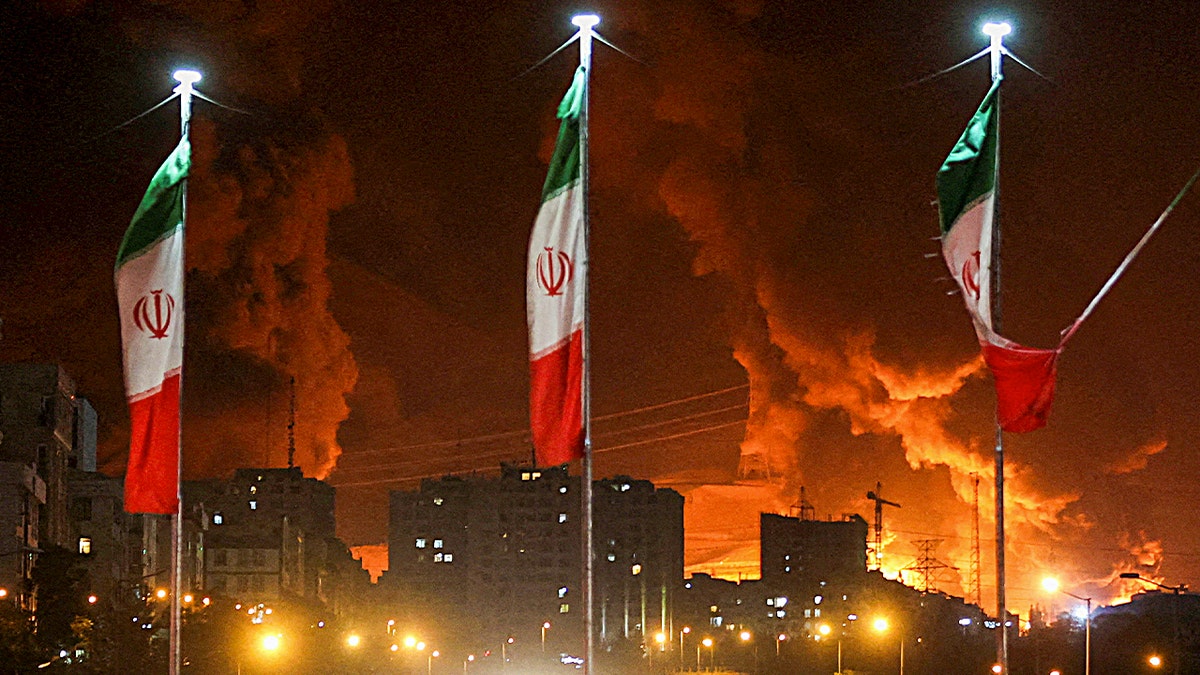
The uncertainty surrounding these military maneuvers has directly influenced energy traders. As the conflict widens to involve multiple regional actors and U.S. military assets, the risk premium on crude oil has climbed. Investors are closely monitoring whether the current exchange of fire will subside or escalate further, potentially threatening maritime traffic in the Persian Gulf.
Diplomatic Deadlock and Calls for De-escalation
Diplomatic channels appear strained as both sides trade accusations. Iran has officially accused the United States of violating the terms of the April ceasefire, while an adviser to Iran’s supreme leader indicated that negotiations are currently at a “deadlock,” according to CBS News. The Iranian position remains focused on the demand for the unfreezing of billions of dollars in Iranian assets held abroad.
In the United States, the White House confirmed that President Trump has been briefed on the situation. In a public statement reported by CBS News, President Trump urged a return to diplomacy, telling Fox News, “What I would suggest to Iran: You’ve shot your missiles, that’s enough … Get back to the table and make a deal.”
Humanitarian and Security Concerns
Beyond the direct missile exchanges, the region is grappling with broader security challenges. On Sunday, at least one person was killed and five others were wounded in a series of shooting attacks near the Israeli-occupied West Bank. Israeli rescue services identified the attacker as a Palestinian citizen of Israel residing in the town of Taybeh, as noted by CBS News. These incidents, occurring simultaneously with the missile exchanges, underscore the high-pressure environment currently facing local populations.

The immediate outlook remains uncertain as international observers watch for signs of further military movement. For energy markets, the primary focus remains the security of the Strait of Hormuz and whether the “full week” of strikes mentioned in recent reports will materialize or if diplomatic pressure from the U.S. and other international partners will succeed in stabilizing the situation.
The next confirmed updates are expected to come from official statements regarding military activities in the Gulf and any potential shift in diplomatic positioning from Tehran or Washington. We will continue to monitor these developments as they unfold. We invite our readers to share their perspectives on the potential long-term economic impact of these events in the comments section below.
Related reading