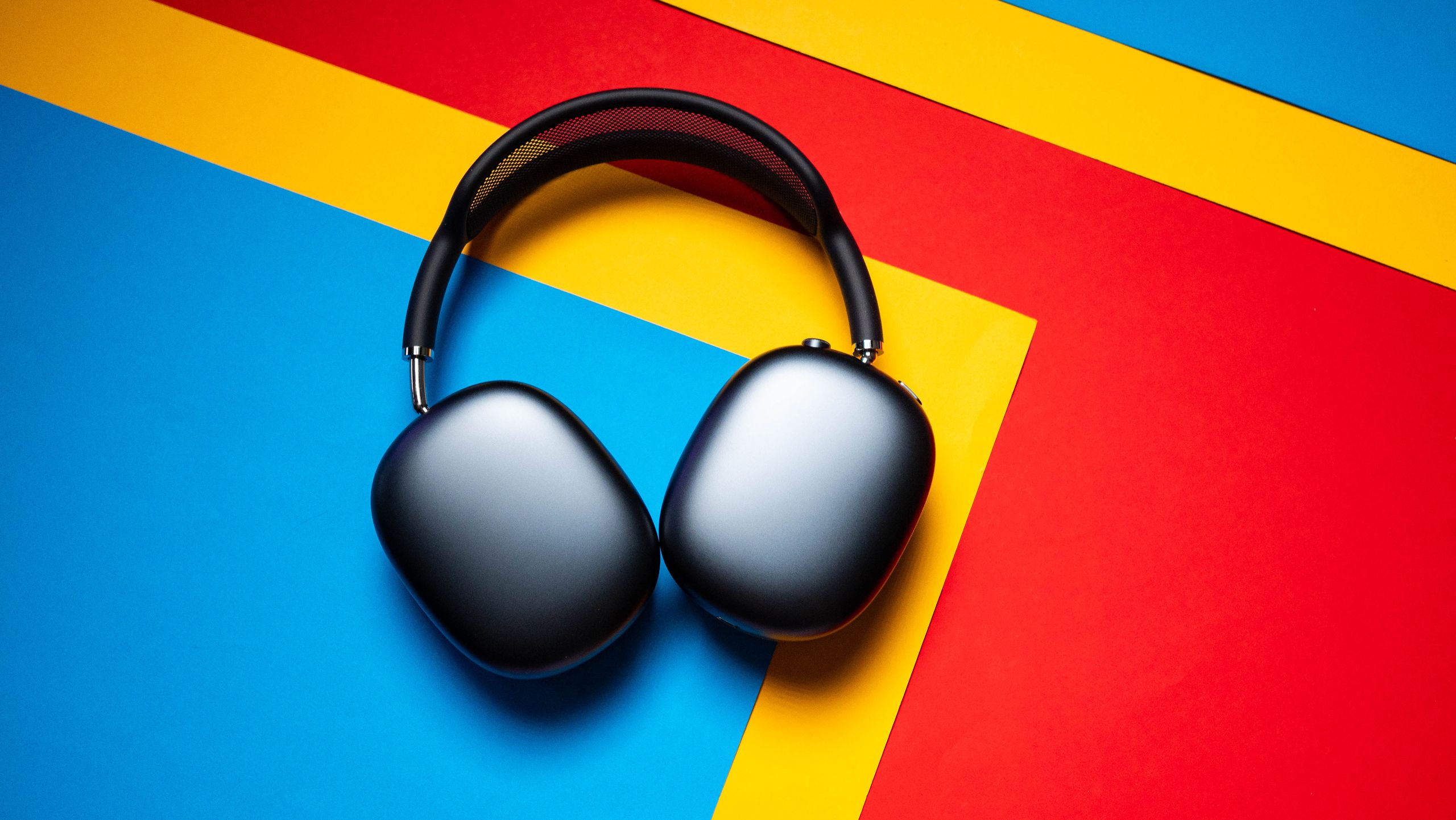
The AirPods Max 2 represents a significant leap in audio technology, integrating the H2 chip to deliver improved active noise cancellation and a suite of new intelligent features. Announced by Apple on March 16, 2026, these over-ear headphones maintain the design language of their predecessor while introducing substantial internal hardware upgrades that prioritize both acoustic performance and daily utility for users. The device is available in five colors: midnight, starlight, orange, purple, and blue, with orders having commenced on March 25, 2026.
As a technology journalist who has spent nearly a decade reviewing hardware, I find that the transition to the H2 chip is the defining upgrade for this generation. According to Apple’s official press release, the new internal architecture allows for active noise cancellation (ANC) that is up to 1.5 times more effective than the previous generation, specifically targeting environmental sounds like airplane engines and commuter trains. The integration of the H2 chip also brings sophisticated computational audio algorithms to the iconic over-ear silhouette, marking a departure from the performance benchmarks of the original model.
Advanced Audio Intelligence and H2 Integration
The core of the AirPods Max 2 experience is the H2 chip, which enables features previously unavailable on this specific hardware line. Among the most notable additions is Adaptive Audio, which dynamically adjusts the listening experience based on the user’s environment. This is complemented by Conversation Awareness, a feature that automatically lowers volume and enhances voices when the wearer begins speaking. These intelligent features are designed to create a more seamless transition between deep focus, such as during work or travel, and social interaction.
Eric Treski, Apple’s director of Audio Product Marketing, noted that the combination of the H2 chip and new digital signal processing algorithms ensures the sound quality is “remarkably clean, rich, and acoustically detailed.” Furthermore, the inclusion of Personalized Spatial Audio provides an immersive soundstage that adapts to the listener’s specific auditory profile. Voice Isolation is also introduced, which improves call quality by separating the user’s voice from background noise, a common requirement for professional and personal communication in varied environments.
Practical Upgrades for Creators and Daily Users
Beyond standard listening, the AirPods Max 2 includes functional additions for content creators and musicians. The headphones now support studio-quality audio recording and offer a camera remote feature, expanding their utility beyond simple playback. These additions reflect a broader trend in consumer electronics where high-end headphones are increasingly positioned as multi-purpose tools for productivity, rather than just media consumption devices.
The Transparency mode has also seen a technical refinement. With the new digital signal processing algorithm optimized for the H2 chip and the specific microphone array on the AirPods Max 2, the transparency effect sounds more natural. This allows users to remain aware of their surroundings without the artificial “hiss” sometimes associated with older noise-canceling hardware. The device represents a balanced approach to the luxury headphone market, focusing on iterative improvements that directly address user feedback regarding ANC effectiveness and environmental adaptability.
Technical Specifications and Availability
The AirPods Max 2 are powered by the H2 chip, a significant shift from the previous hardware generation. The product is available to order in five distinct colors, and availability began in early April 2026, according to the official Apple Newsroom press release. The pricing and specific trade-in values for older hardware are subject to current Apple store policies, which can be reviewed on the company’s main website.
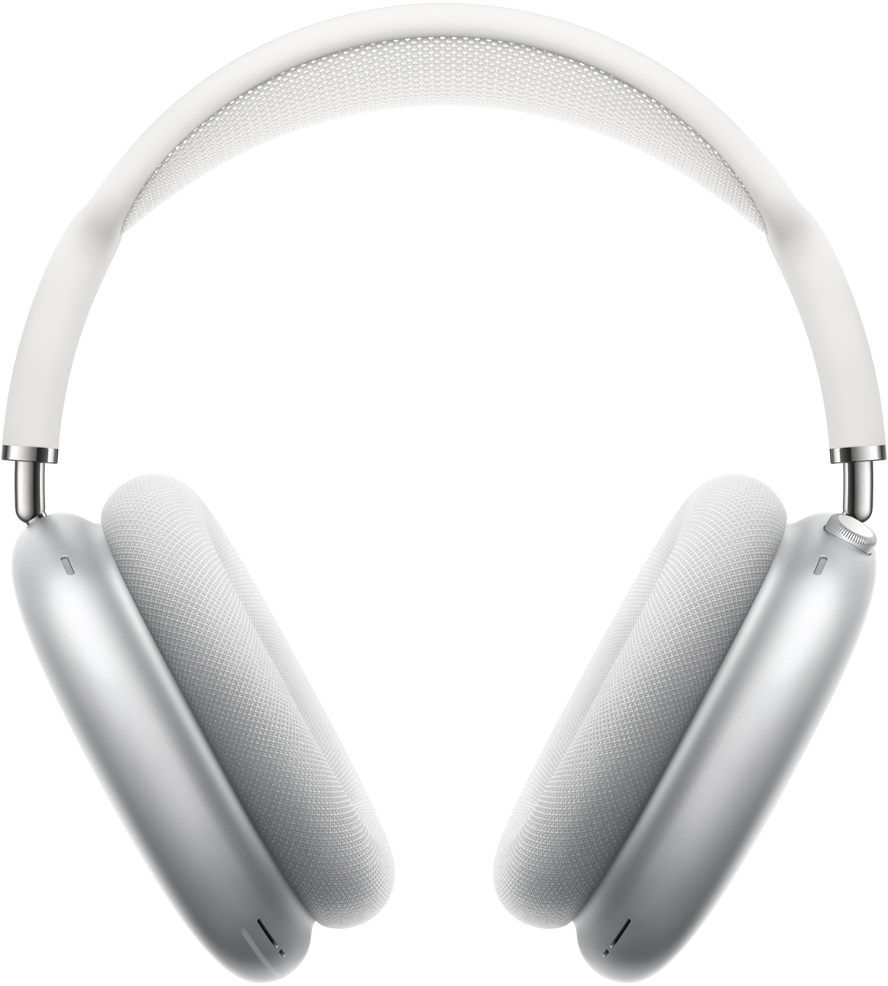
For those looking to integrate these headphones into their existing Apple ecosystem, the setup process remains consistent with other H-series devices. The shift to the H2 chip also enables Live Translation, a feature that leverages the processing power of the headphones to facilitate communication in different languages. While the exterior design remains largely unchanged, the internal shift to the H2 chip makes this an essential upgrade for those who prioritize noise isolation and computational audio performance in their daily routine.
As we move further into the 2026 product cycle, updates regarding firmware and compatibility will be available through the official Apple support portal. I encourage readers to share their experiences with the new Adaptive Audio features or any questions regarding the transition from the previous generation in the comments section below.
Related reading