
Recent public health data confirms a concerning trend: the incidence of colorectal cancer among individuals under the age of 50 is rising globally. While historically considered a disease affecting older populations, medical professionals are increasingly identifying cases in younger adults, prompting urgent discussions regarding lifestyle, dietary habits, and the importance of early screening protocols. Understanding the shift in these demographics is essential for proactive health management.
According to the American Cancer Society, while overall colorectal cancer rates in the United States have declined in older adults—largely due to increased screening—the rates in adults younger than 55 have been increasing since the mid-1990s. This shift suggests that environmental and dietary factors may be playing a more significant role than previously understood in the development of early-onset disease.
Understanding the Role of Diet in Colorectal Health
The relationship between nutrition and digestive health is a primary focus for researchers studying this rise. Clinical evidence consistently points to the impact of highly processed foods on long-term gut health. Diets high in processed meats, such as bacon, sausage, and deli meats, as well as those containing high levels of refined sugars and ultra-processed items, are linked to an increased risk of colorectal cancer, as noted by the World Health Organization.
These foods often lack the fiber, vitamins, and minerals necessary to maintain a healthy microbiome. Fiber, in particular, is essential for regular bowel function and for reducing the time that potential carcinogens spend in contact with the lining of the colon. When a diet is chronically low in fiber and high in inflammatory, processed ingredients, it may create an environment more conducive to the development of polyps and, eventually, malignant cells.
Why Early-Onset Cases Are Increasing
The question of why this trend is accelerating remains a subject of intense scientific investigation. While genetics play a role in some cases, the rapid increase in early-onset colorectal cancer suggests that external factors—often referred to as the “exposome”—are critical. This includes changes in sedentary behavior, the rise in obesity rates, and shifts in the modern food supply chain, which prioritizes ultra-processed options over whole, plant-based foods.
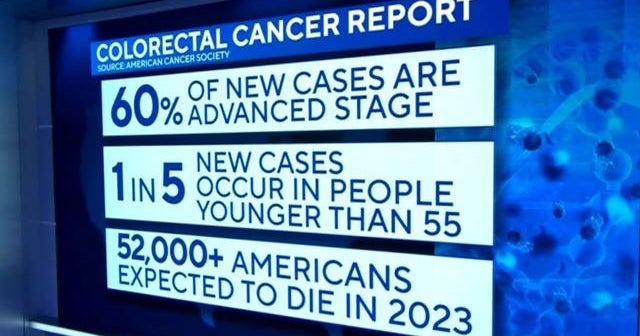
Furthermore, medical experts emphasize that younger patients often ignore early warning signs, attributing symptoms like abdominal pain, changes in bowel habits, or rectal bleeding to less serious conditions like hemorrhoids or irritable bowel syndrome (IBS). The National Institute of Diabetes and Digestive and Kidney Diseases stresses that any persistent change in bowel habits should be evaluated by a healthcare professional, regardless of a patient’s age.
Preventative Measures and Screening Guidelines
Proactive health measures are the most effective way to mitigate risk. The current clinical consensus emphasizes the importance of screening, with many organizations now recommending that individuals at average risk begin screening at age 45. For those with a family history of colorectal cancer or specific genetic predispositions, physicians may advise starting much earlier.
In addition to regular screenings—such as colonoscopies or stool-based tests—lifestyle modifications remain the cornerstone of prevention. Incorporating a diet rich in fruits, vegetables, whole grains, and legumes can provide the necessary fiber to protect colon health. Limiting alcohol consumption and maintaining a physically active lifestyle are also documented strategies to reduce the risk of developing gastrointestinal malignancies, as outlined by the Centers for Disease Control and Prevention.
As the medical community continues to monitor these trends, the focus remains on awareness. Recognizing that colorectal cancer is no longer exclusively a “disease of the elderly” is the first step toward improving outcomes. Patients are encouraged to discuss their personal risk factors, including family history and dietary patterns, with their primary care physician during annual wellness visits.
For the most current updates on screening recommendations and public health advisories, the U.S. Preventive Services Task Force provides ongoing guidance for clinical practice. Staying informed is a vital component of personal health advocacy. If you have questions about your own risk profile or digestive symptoms, consulting a board-certified gastroenterologist is the recommended path forward.
Related reading
- FDA Takes Further Steps to Remove Outdated Authorizations for Color Additives in Food
- 尪洗腎後把妻子當「壞女人」醫示警失智風險增:吃3物救腦- 健康 – 中時新聞網
- Surya Bonaly’s Mother Battling Triple Cancer Amid Personal Health Struggles (archynewsy.com)
- Canadian Households Concerned Over Rising Broadband and Streaming Costs (newsdirectory3.com)