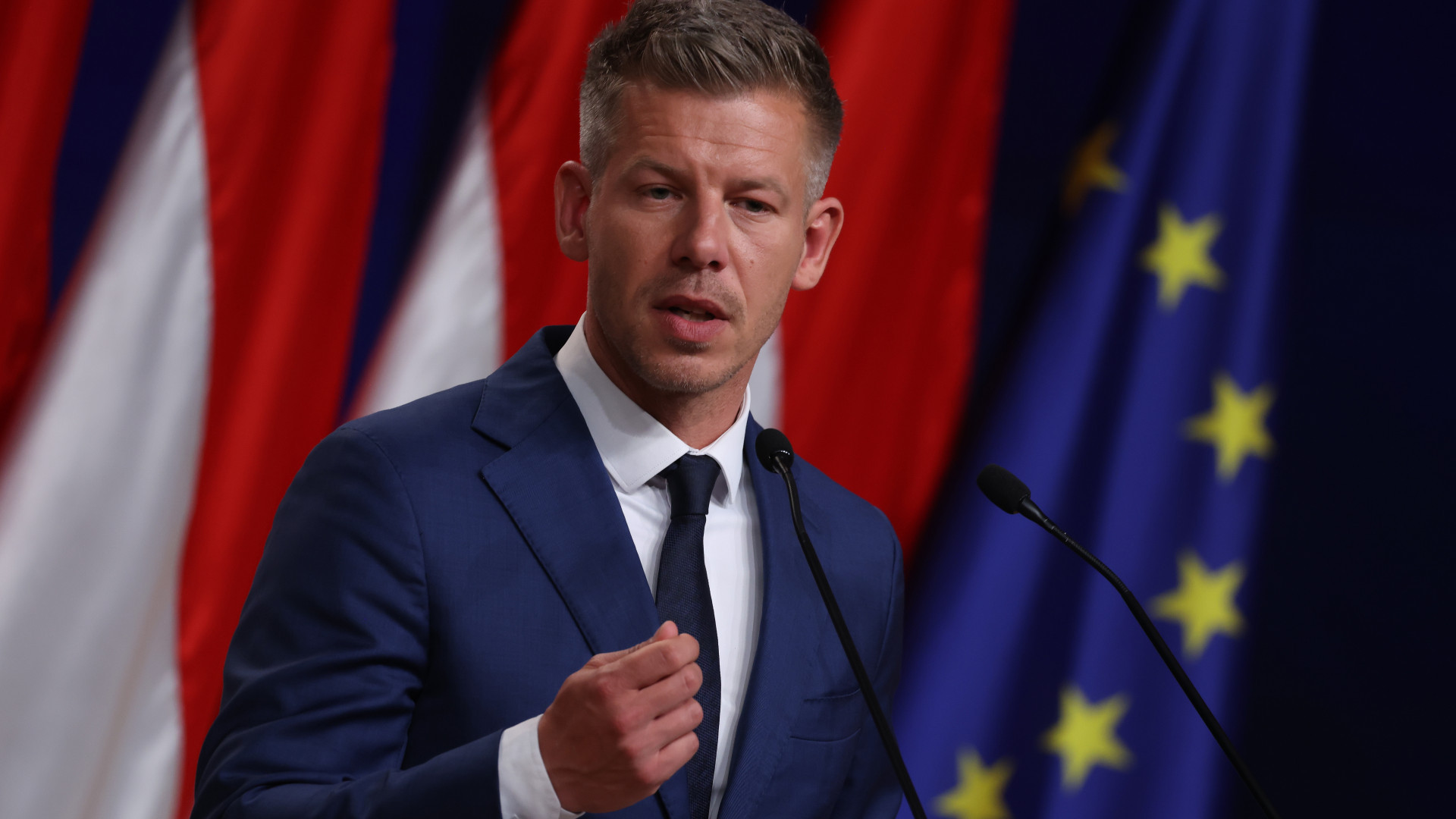
Ferenc Biró, the head of Hungary’s Integrity Authority (Integritás Hatóság), has publicly detailed significant concerns regarding the management of state funds, suggesting that systemic vulnerabilities have led to substantial financial losses over the past 16 years. In recent interviews, Biró described the pressures he faced while leading the institution, which was established to oversee the use of European Union funds and improve transparency in public procurement processes.
The Integrity Authority was created in 2022 as part of a series of commitments made by the Hungarian government to the European Commission to unlock frozen recovery funds. According to the official mandate of the Integrity Authority, the organization is tasked with investigating corruption, conflicts of interest, and other irregularities that threaten the financial interests of the European Union. Biró’s recent remarks underscore the ongoing friction between independent oversight bodies and the established political administration.
The Scope of Oversight Challenges
Biró has characterized his tenure as a period of intense institutional struggle. He noted that the environment in which he operated was designed to test his resolve, stating that there were deliberate efforts to break his professional autonomy. These comments highlight the structural difficulties faced by independent watchdogs when investigating long-standing administrative practices.
The financial figures mentioned in recent reports regarding potential losses have drawn significant public attention. While the scale of these estimates remains a subject of intense domestic debate, the Integrity Authority continues to focus on its primary mission: auditing public tenders and ensuring that government contracts comply with both Hungarian law and EU regulations. The legal framework governing these operations is outlined in the National Legislation Database of Hungary, which provides the statutory basis for the Authority’s investigative powers.
Institutional Pressure and Political Context
The Integrity Authority’s work is closely monitored by both the Hungarian public and international observers, particularly given the conditionality mechanism linked to EU budget disbursements. Biró’s disclosures provide a rare look into the internal operations of a body meant to act as a safeguard against the misuse of public money. By highlighting the pushback he received from government officials, Biró has drawn attention to the necessity of maintaining institutional independence to ensure objective oversight.
The government has maintained that it is cooperating with the European Commission to fulfill the necessary milestones for funding. However, the tension between the Integrity Authority and various ministries reflects a broader, ongoing conflict regarding the standards of governance and the efficacy of anti-corruption measures currently in place. Updates on the Authority’s ongoing audits and findings are periodically published on the official website of the Integrity Authority, where citizens can review the transparency reports required by law.
What Happens Next
The focus for the coming months remains on the Authority’s ability to conduct its investigations without external interference. As Hungary continues to navigate its relationship with the European Union, the findings presented by the Integrity Authority are expected to play a crucial role in future negotiations regarding the release of EU financial support. The next set of progress reports from the European Commission will likely address the effectiveness of these anti-corruption mechanisms.
Public discourse surrounding these disclosures continues to evolve as more details emerge from the Authority’s ongoing work. We invite our readers to share their perspectives on the importance of independent oversight in governance by joining the discussion in the comments section below.
Keep reading