
Protests surrounding the Delaney Hall detention facility in Newark, New Jersey, have recently escalated, placing local law enforcement and the state’s administration in a complex position. The facility, which has served as a site for immigration detention operations, has become a focal point for demonstrations that have resulted in multiple arrests and ongoing public safety concerns. As officials navigate these tensions, the situation underscores the broader challenges of managing immigration policy at the local level.
The unrest gained significant attention following a series of confrontations between demonstrators and law enforcement officers outside the Newark facility. According to official reports from the Department of Homeland Security, four individuals were taken into custody and charged with assaulting officers during the demonstrations. These events occurred amid a backdrop of sustained advocacy, with activists frequently utilizing tactics such as hunger strikes to draw attention to conditions within the facility, as reported by The Guardian.
The situation at Delaney Hall represents a testing ground for local leadership as they attempt to balance the right to public assembly with the operational requirements of federal facilities. The tension reached a critical point when police instructed approximately 70 protesters to vacate the premises, leading to a volatile standoff. Local records indicate that these interactions have occasionally resulted in physical harm, including an incident where a photographer was struck by a vehicle during the demonstrations, as noted in reports from the Bergen Record.
The Intersection of Policy and Public Order
For those observing the situation in New Jersey, the primary question remains how local authorities will address the ongoing presence of protesters while maintaining order around federally contracted sites. The involvement of Immigration and Customs Enforcement (ICE) operations at the facility creates a layered jurisdictional environment. Under standard operating procedures, local law enforcement is tasked with maintaining public safety on surrounding streets, often leading to friction when protests transition into civil disobedience or physical confrontations.
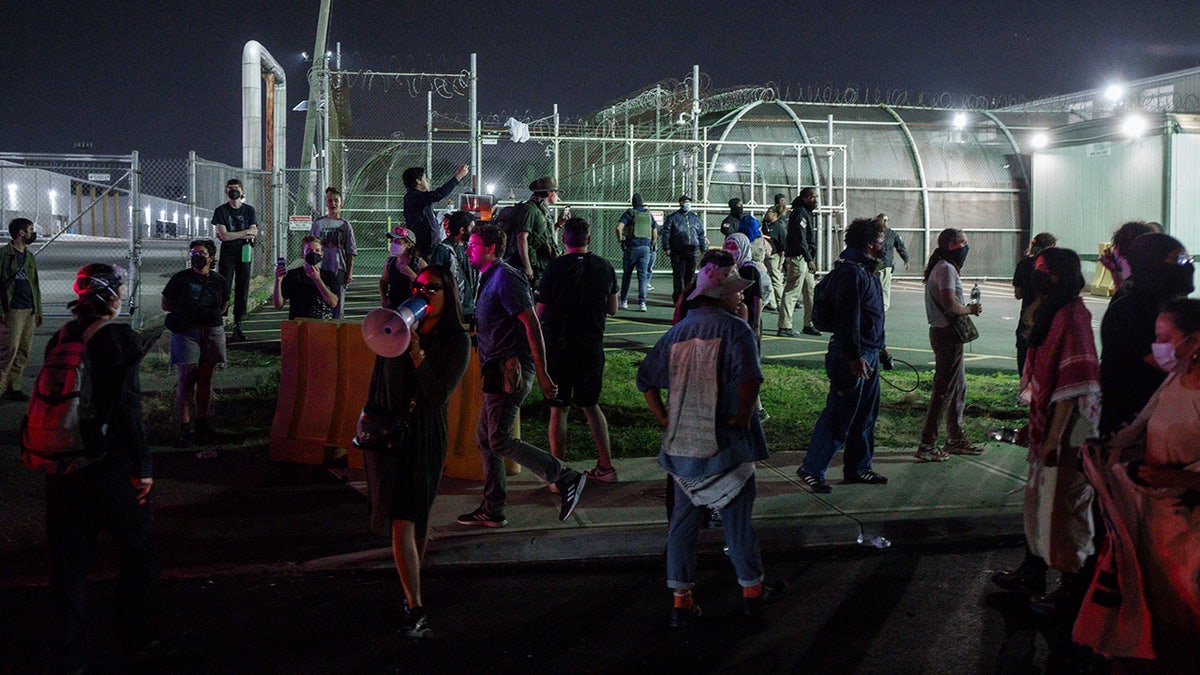
The legal framework governing these protests involves municipal ordinances regarding public assembly and state laws concerning the obstruction of government operations. When protesters are ordered to disperse, as was the case with the group of 70 individuals mentioned by NJ.com, the refusal to comply often leads to escalating police responses. These responses, which have included the use of chemical irritants like tear gas, have drawn criticism from civil rights groups while being defended by authorities as necessary measures to restore safety and access to the facility.
Understanding the Humanitarian and Legal Context
The use of hunger strikes by detainees, as highlighted in reporting from The Guardian, serves as a primary driver for the external protests. These actions are often framed by participants as a last resort to protest their detention status and the conditions of their confinement. Because these strikes are internal to the facility, they create a unique pressure point for the administration, as the resulting public demonstrations amplify the visibility of the detainees’ grievances.
From a policy perspective, the state of New Jersey has previously moved to limit the expansion of immigration detention contracts. This legislative trend, often documented in state policy filings, aims to reduce the footprint of private and county-run detention centers. However, the operational reality of existing contracts often keeps these facilities active, creating a persistent gap between policy goals and the status quo on the ground. Readers seeking official updates on the status of these facilities or current detention policies can consult the official U.S. Immigration and Customs Enforcement website for government-issued statements.
What Happens Next
The immediate future of the Delaney Hall site remains subject to both judicial review and ongoing administrative scrutiny. With several individuals facing criminal charges related to the recent clashes, legal proceedings will likely serve as the next major checkpoint for the story. The outcome of these cases, coupled with any potential shifts in federal detention contracts, will determine whether the facility remains a flashpoint for regional unrest.

Observers should look for upcoming court appearances for those charged in the recent incidents, which will provide further clarity on the severity of the allegations and the defense’s position. For those interested in the broader implications, monitoring official press releases from the Newark Police Department and the U.S. Department of Homeland Security remains the most reliable way to track developments. We invite our readers to share their perspectives on the balance between public safety and the right to protest in the comments section below.