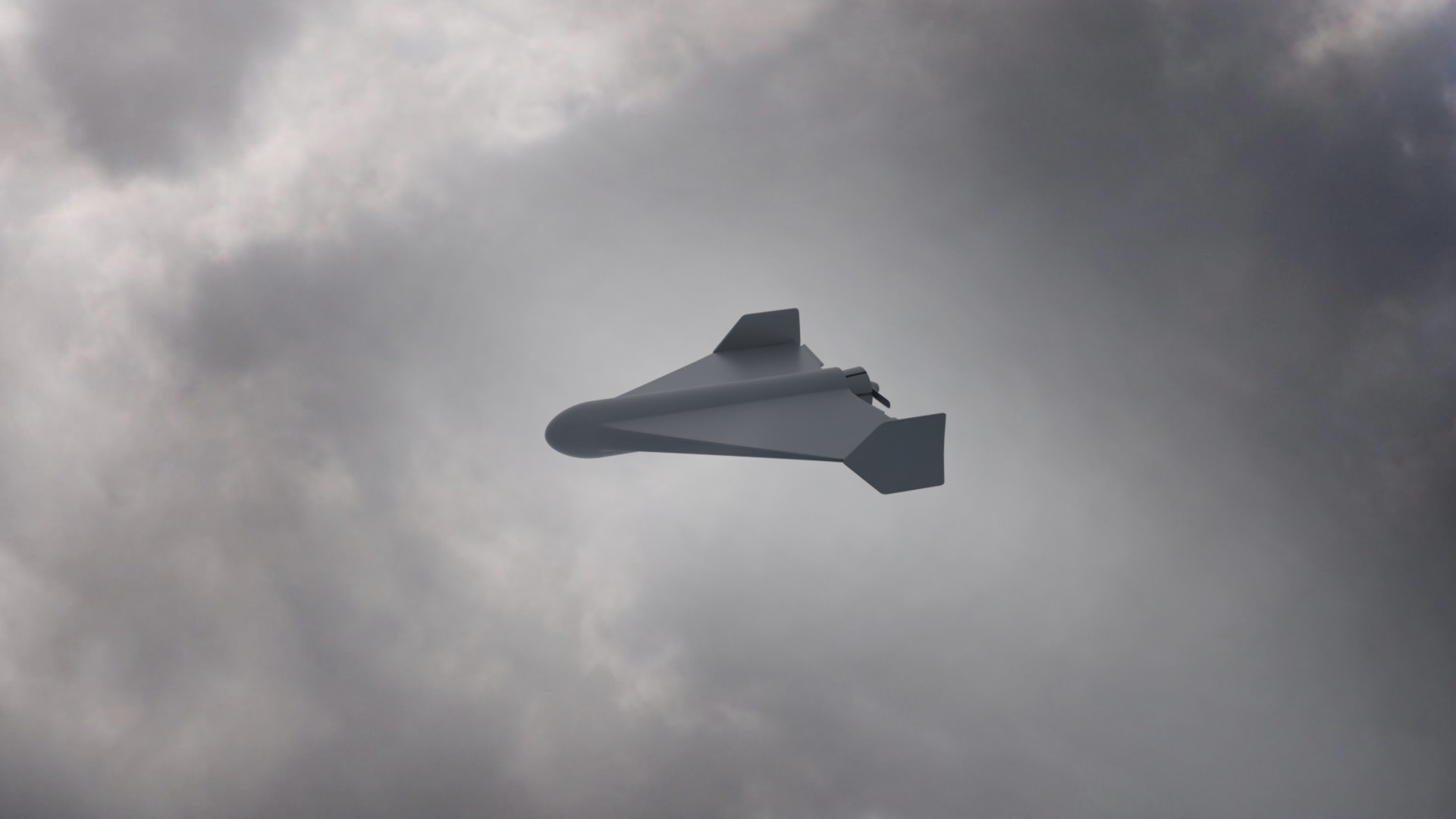
Ukrainian President Volodymyr Zelenskyy has stated that intensifying drone operations deep within Russian-held territories are a calculated effort to gain leverage for future negotiations to end the war. This strategic pivot follows a series of reported strikes targeting oil infrastructure and logistics hubs, as the conflict enters a critical phase in mid-2026.
As the international community monitors these developments, the Ukrainian leadership continues to engage in high-level diplomacy. President Zelenskyy’s recent meetings with three key European leaders underscore a coordinated effort to sustain military and political support while the country navigates the ongoing challenges of a transition economy. These diplomatic engagements come at a time when Ukraine is balancing the realities of a protracted conflict with the need for long-term economic stability, with current estimates placing the country’s GDP at approximately $225.337 billion for 2026, according to data recorded by Wikipedia.
Strategic Shifts in Conflict Operations
The recent surge in drone activity reflects a shift in tactics, with Ukrainian forces focusing on disrupting the logistics and fuel supplies that sustain Russian operations. These strikes, reported in areas including occupied Crimea, target critical infrastructure such as oil storage facilities and transport networks. By hitting these assets, Kyiv aims to degrade the operational capacity of occupying forces while signaling its reach deep behind front lines.
The tactical emphasis on drone warfare serves a dual purpose: it exerts direct pressure on Russian military assets and serves as a backdrop for the Ukrainian government’s diplomatic outreach. According to statements from President Zelenskyy, these actions are intended to create a more favorable position for potential peace negotiations. This approach is part of a broader strategy to maintain international focus on the conflict and ensure that any future dialogue is conducted from a position of relative strength.
Diplomatic Engagements and European Coordination
Amidst the escalating military activity, the diplomatic front remains a priority for the administration in Kyiv. President Zelenskyy’s meetings with European leaders are essential for aligning strategies regarding both the provision of defense aid and the long-term economic recovery of the nation. These discussions are taking place against the backdrop of a challenging economic environment; as of April 2026, Ukraine’s population is estimated at 32,283,000, with the country continuing to manage the complexities of its semi-presidential republic system, as noted in official country documentation.
The coordination between Ukraine and its European partners is focused on ensuring that the country remains resilient despite the significant pressures of the war. These leaders are examining ways to bolster Ukraine’s defense infrastructure while also addressing the humanitarian and economic needs of its citizens. The collaboration highlights the deep integration between Ukraine’s national security goals and its aspirations for broader European cooperation.
What Happens Next?
As the situation develops, the focus for both military and civilian observers remains on the impact of these drone operations on the ground and the subsequent diplomatic feedback from international allies. The Ukrainian government is expected to continue its dual-track approach: executing targeted strikes to disrupt logistics while simultaneously engaging in high-level diplomacy to secure the resources necessary to sustain the country’s defense.
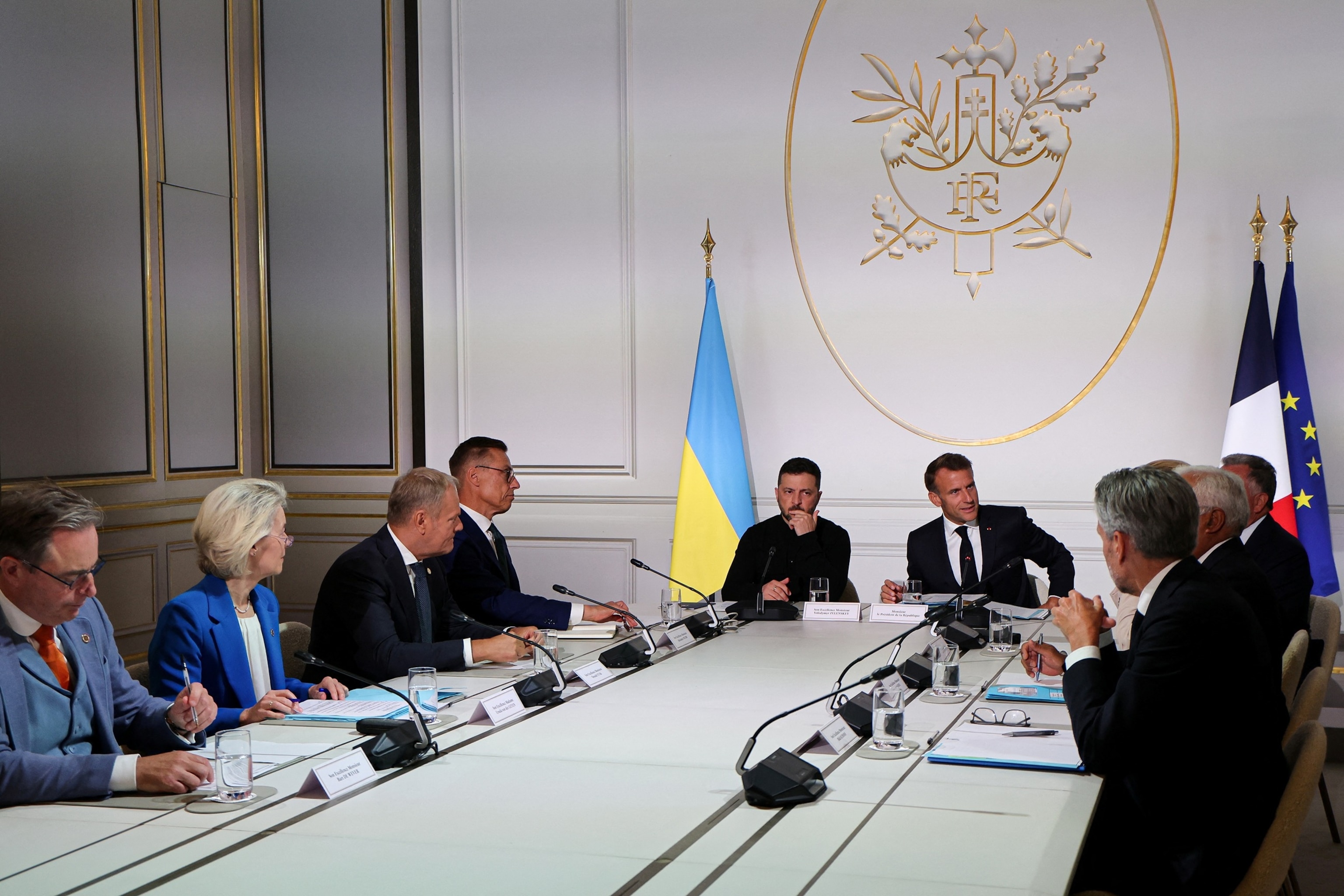
The international community is closely watching for further official updates from the Verkhovna Rada and the Office of the President regarding the outcomes of the recent European summits. These updates, along with reports from independent monitors on the status of infrastructure in occupied regions, will provide a clearer picture of the conflict’s trajectory in the coming weeks. For ongoing updates, citizens and observers are encouraged to follow official government communications and verified international news outlets as the situation continues to evolve.
We invite our readers to share their perspectives on these developments in the comments section below. Your engagement is vital to the ongoing conversation about the future of the region.
Worth a look
- Postcolonial Theory and China-Africa Relations: Toward Sinicizing Mazrui?
- Worst Wildfires in Madrid’s History: Massive Evacuations and Road Closures Across Spain
- Saudi Arabia Strikes Houthi-Held Hudaydah Port Following Vessel Attack (time.news)
- Zimbabwe Joins BRICS New Development Bank for Infrastructure Funding (archyworldys.com)