
Long COVID—the persistent, multifaceted condition that continues to affect millions globally—has long challenged medical understanding. As a physician, I frequently encounter patients struggling to reconcile their former vitality with the debilitating fatigue and neurological symptoms that define this post-viral syndrome. Recent scientific efforts have begun to peel back the layers of how the SARS-CoV-2 virus disrupts the human immune system and impacts neurological function, providing a clearer picture of why recovery remains so elusive for many.
The complexity of Long COVID lies in its systemic reach. Research indicates that the virus does not merely vanish once the acute phase of an infection subsides; instead, it appears to trigger a cascade of immunological dysregulation. This ongoing internal conflict can manifest as persistent inflammation, which potentially compromises the blood-brain barrier and influences cognitive processes. Understanding these mechanisms is not just an academic exercise—it is the foundational step toward developing targeted therapies for those whose lives have been significantly altered by the virus.
Understanding the Immunological Impact of Long COVID
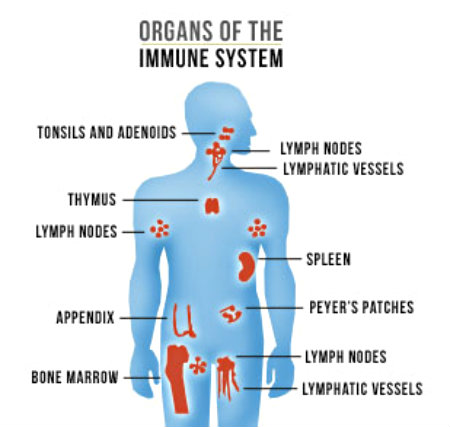
At the core of current investigations is the role of the immune system’s “memory” and its subsequent overreaction. When the body encounters SARS-CoV-2, the immune system mounts a vigorous defense. In some individuals, this response fails to return to a baseline state, leading to a state of chronic activation. According to the World Health Organization, post-COVID-19 condition typically occurs in individuals with a history of probable or confirmed SARS-CoV-2 infection, usually three months from the onset of COVID-19, with symptoms that last for at least two months and cannot be explained by an alternative diagnosis.

This persistent immune activation may involve the production of autoantibodies or the lingering presence of viral reservoirs in tissues. When the immune system remains in a heightened state of “alert,” it consumes significant metabolic resources, which often contributes to the profound exhaustion reported by patients. This exhaustion is not simply tiredness; it is a clinical symptom that can severely limit daily physical and cognitive activities, turning formerly high-functioning individuals into patients who struggle with basic tasks.
Neurological Manifestations and Brain Health
The impact of COVID-19 on the brain remains one of the most concerning aspects of the post-acute phase. Patients frequently report “brain fog,” memory deficits, and difficulties with executive function. These neurological symptoms are increasingly viewed through the lens of neuroinflammation. Research published by the National Institutes of Health (NIH) highlights that the virus may trigger inflammatory responses within the central nervous system, even in cases where the virus itself does not directly infect brain cells.

When inflammation persists, it can disrupt the delicate communication between neurons. The blood-brain barrier, which typically protects the brain from systemic inflammatory markers, may become permeable during a severe viral infection. Once this barrier is compromised, systemic immune cells and inflammatory cytokines can enter the brain environment, potentially leading to the cognitive impairments that characterize Long COVID. For the patient, this transition from a healthy, active state to one of neurological fragility is often sudden and deeply distressing.
Clinical Perspectives on Recovery and Management
Managing Long COVID requires a multidisciplinary approach, as there is currently no single “cure” that addresses every patient’s unique symptom profile. Clinical management focuses on symptom mitigation and pacing—a strategy where patients carefully balance their activity levels to avoid “crashes” or post-exertional malaise. The Centers for Disease Control and Prevention (CDC) emphasizes that care plans should be individualized, addressing specific symptoms such as tachycardia, sleep disturbances, and cognitive challenges through coordinated care between primary physicians and specialists.
For those living with these symptoms, the path forward involves staying informed through reputable medical channels. We are in a period of rapid discovery; as scientists identify specific biomarkers for Long COVID, the ability to diagnose and treat these patients will improve. If you are experiencing symptoms that impede your daily life, it is essential to document them clearly for your healthcare provider. Keeping a symptom diary can be a vital tool in helping your doctor understand the patterns of your condition and in developing an effective management strategy.
The scientific community continues to prioritize research into the long-term sequelae of the pandemic. As we move further into 2026, clinical trials and longitudinal studies are expected to provide more definitive answers regarding the duration and potential resolution of these immune-mediated issues. I encourage readers to stay engaged with updates from public health authorities and to share their experiences in professional medical forums, as patient-reported data remains a cornerstone of modern medical research.
We will continue to monitor the latest findings as they emerge from global research institutions. If you have questions regarding your own health or are seeking support, consult with your local medical professionals and utilize the resources provided by national health departments. Join the conversation below to share how you or your community are navigating these ongoing health challenges.
- Vitamin D Deficiency: Causes, Symptoms, and Best Ways to Boost Absorption
- Health Authorities Issue Voluntary Recall of Allergy Medication Lots Due to Potential Contamination
- Gail Porter Reveals Bruised Face and Grisly Injuries After London Tube Station Fall (world-today-news.com)
- Black MS Patients Die Younger Than White Patients, New Study Reveals (time.news)