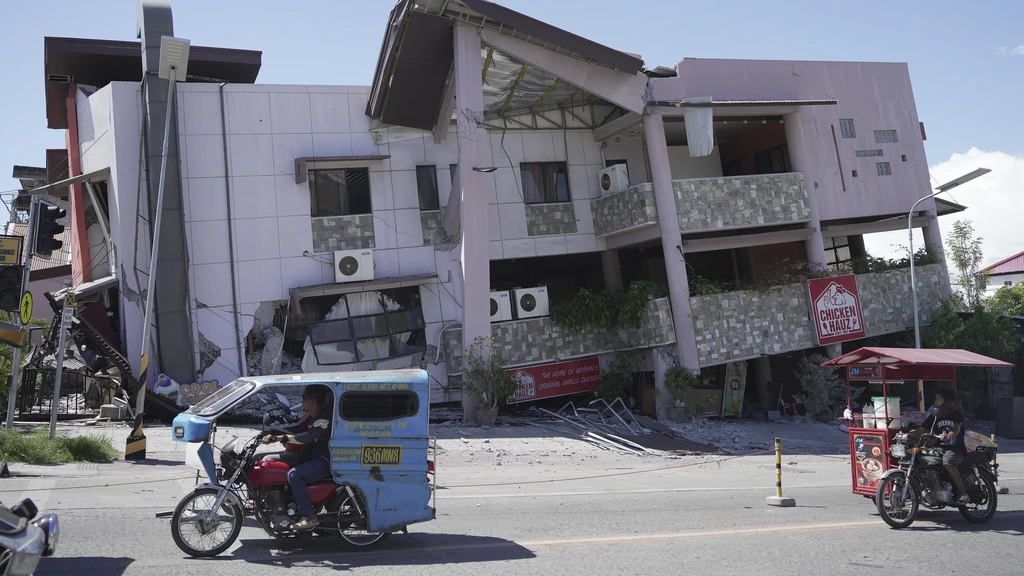
A powerful earthquake struck the southern Philippines, triggering immediate international concern regarding potential tsunami risks across the Pacific region. The seismic event, which centered near the island of Mindanao, prompted emergency alerts for coastal communities in the Philippines, as well as parts of Indonesia and Japan. While initial reports highlighted the scale of the tremor, subsequent assessments by regional authorities have led to the lifting of tsunami warnings as the immediate threat to coastal areas subsided.
As the region begins the process of assessing the impact of this natural disaster, the focus of local authorities has shifted toward search and rescue operations. Reports from the affected areas indicate that the earthquake resulted in casualties and injuries among the local population. International aid agencies and national disaster response teams are currently coordinating efforts to reach the most affected communities, where infrastructure damage and power outages have complicated the initial emergency response.
Seismic Activity and Regional Tsunami Alerts
The earthquake, which occurred in the southern Philippines, was significant enough to trigger widespread tsunami warnings due to the potential displacement of water in the western Pacific Ocean. According to national geological agencies, the tremors were felt across a broad area, leading to immediate evacuations in vulnerable coastal zones. The alert system, designed to provide early warning for tsunamis, was activated for Mindanao, as well as coastal stretches in Indonesia and Japan. These warnings serve as a critical component of regional disaster management frameworks, intended to prevent loss of life by allowing residents time to move to higher ground.

However, the danger associated with the tsunami alerts has since been declared over by official monitoring bodies. By tracking sea-level changes and seismic data, authorities determined that the risk of a destructive tsunami had passed, allowing for the cancellation of evacuation orders in most affected territories. The rapid communication between the Philippines and neighboring nations was key to managing the regional response, reflecting the importance of international cooperation in monitoring seismic activity in the Pacific “Ring of Fire,” a region known for its high frequency of earthquakes and volcanic events.
Impact on Mindanao and Local Recovery Efforts
The human toll of the earthquake has become a primary concern for the Philippine government. Local officials have confirmed that the tremor caused multiple deaths and left dozens of residents injured, particularly in the areas closest to the epicenter. The physical impact of the quake includes damage to residential buildings, public infrastructure, and local power grids, which has hampered communication and the delivery of emergency supplies to the hardest-hit regions of Mindanao. Information regarding the exact number of casualties remains subject to updates as rescue teams continue to clear debris and reach remote villages.

Disaster management teams are currently focusing on the provision of emergency medical care and shelter for those displaced by the destruction. The Philippine government has mobilized resources to support the recovery, with local agencies leading the on-the-ground efforts to restore essential services. As search operations progress, the priority remains the stabilization of the affected areas and the long-term assessment of the structural integrity of buildings in the region. Residents have been advised to remain cautious of potential aftershocks, which are common following an earthquake of this magnitude.
Understanding Earthquake Risks in the Philippines
The Philippines is located in a seismically active zone, requiring the country to maintain robust disaster response protocols. The economy, which is transitioning from agricultural roots to a more service- and manufacturing-oriented model, faces recurring challenges from natural disasters. According to national census data, the population density in many areas of the archipelago increases the complexity of disaster management during such events. The government’s ability to coordinate between local, regional, and national levels is essential for mitigating the impact of these unavoidable geological occurrences.
For those interested in the latest official updates regarding seismic activity and safety advisories, information is available through the Philippine Institute of Volcanology and Seismology (PHIVOLCS). Residents and observers are encouraged to monitor these official channels for accurate information regarding aftershocks and recovery updates. As the situation evolves, the resilience of the local community remains central to the ongoing recovery process. We invite our readers to share their thoughts or experiences in the comments section below as we continue to monitor the aftermath of this event.
Related reading