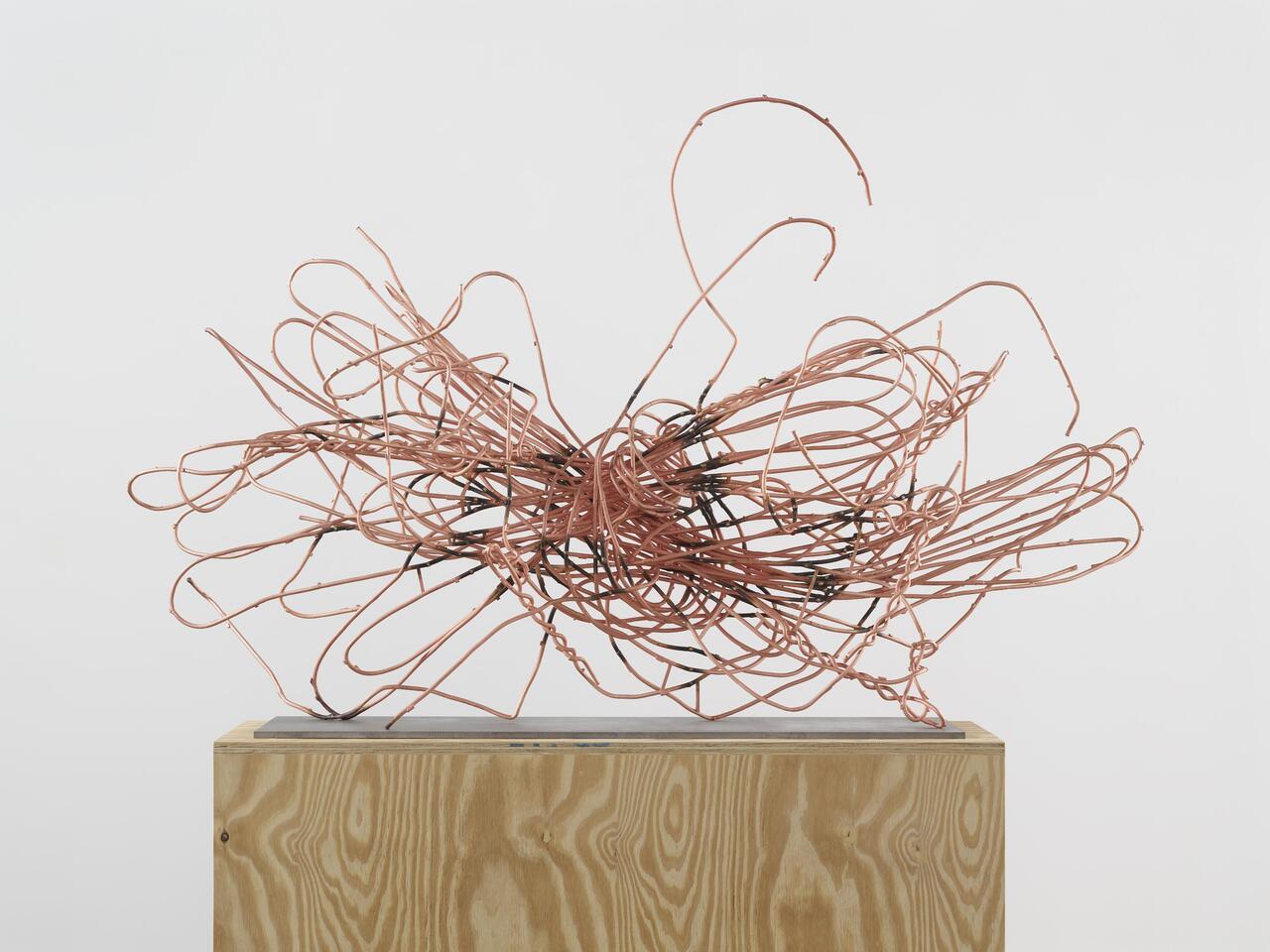
The transformation of a medical campus into an expansive sculpture landscape represents a unique intersection of public health, architectural design, and fine art. By integrating large-scale installations into clinical environments, institutions have sought to foster healing atmospheres for patients, staff, and visitors alike. This movement, characterized by long-term commissioning projects and the collaboration of international artists, creates a permanent dialogue between the rigidity of medical infrastructure and the fluid, emotive power of contemporary sculpture.
The integration of art into healthcare facilities is not merely aesthetic; it is a strategic effort to improve the patient experience. Research suggests that the presence of art in hospitals can reduce stress, provide comfort, and offer a necessary distraction from the clinical nature of medical treatment. For many institutions, the decision to commission works from globally recognized sculptors is part of a broader commitment to holistic care, turning sterile grounds into spaces of reflection and community engagement.
The Curatorial Process in Clinical Settings
Creating a sculpture landscape requires more than just acquiring art; it demands a rigorous curatorial vision. Often, medical campuses work with specialized galleries or art consultants to act as intermediaries. These professionals ensure that the selected pieces not only meet the institution’s artistic standards but also comply with safety regulations necessary for high-traffic public spaces. The process typically involves a decade-long commitment to commissioning new works, allowing the landscape to evolve organically rather than appearing as a static, one-time installation.
By engaging twelve or more internationally acclaimed sculptors, a campus can showcase a diverse range of materials—from bronze and steel to stone and synthetic composites—each contributing to a distinct sensory experience. This diversity is intentional, aimed at creating a “breaking ground” effect where the physical terrain of the hospital is redefined by the artistic interventions placed upon it. The role of the gallery or curator is essential here, as they negotiate the logistical challenges of site-specific installations, such as ground stability, wind resistance, and maintenance requirements in a medical setting.
Why Art Matters in Healing Environments
The importance of this artistic integration is supported by the evolving understanding of “healing architecture.” When a medical facility invests in a sculpture landscape, it signals a shift in priorities. The environment is no longer just a place for diagnostics and surgery; it is a sanctuary intended to support mental well-being. According to the Center for Health Design, evidence-based design—which includes art and nature-focused installations—is linked to lower anxiety levels among patients. By providing outdoor spaces filled with meaningful art, hospitals encourage movement and outdoor access, which are critical components of physical recovery.
Furthermore, these sculpture landscapes often become points of civic pride. They invite the public onto the campus, breaking down the perceived barriers between the medical institution and the surrounding community. This public access is a vital part of the institution’s social responsibility, providing residents with free, high-quality art experiences that might otherwise be confined to traditional museums or private collections.
Logistics and Long-Term Sustainability
Maintaining a sculpture landscape requires careful planning and a dedicated budget. Unlike indoor art, outdoor installations are exposed to the elements, necessitating durable materials and regular conservation efforts. Institutions often establish endowment funds or dedicated maintenance programs to ensure that the sculptures remain in pristine condition over the years. The commissioning of new works is often spaced out to allow for the careful integration of each piece into the existing landscape architecture, ensuring that the final result feels cohesive.
As these projects reach completion, the focus often shifts from acquisition to programming. Many campuses now host guided tours, educational workshops, and community events that draw upon the sculptures as teaching tools. This added layer of utility ensures that the investment in art continues to yield benefits for the community long after the initial installation phase is finished. For those interested in the ongoing development of such projects, official institutional press releases and campus master plans remain the most reliable sources for updates on new commissions and upcoming exhibitions.

The future of the medical-art landscape remains bright as more institutions adopt this model. The ongoing collaboration between medical boards and art professionals continues to prove that clinical excellence and artistic beauty are not mutually exclusive. As we look toward the next decade, the success of these early, visionary campuses will likely serve as a blueprint for healthcare providers worldwide who seek to prioritize the humanity of the healing process.
We welcome your thoughts on how public art influences our shared spaces. Please share your experiences or questions regarding healthcare-based art initiatives in the comments section below, and stay tuned for our next update on international architectural trends in the health sector.
Related reading