
A structured lifestyle intervention combining a low-glycemic Mediterranean diet, daily brisk walking, and vitamin D supplementation can significantly improve metabolic health and weight outcomes in breast cancer survivors. According to clinical trial data presented at the American Society of Clinical Oncology (ASCO) Annual Meeting, this high-intensity approach demonstrated superior results in managing body mass index (BMI), weight loss, and metabolic syndrome compared to standard guidance on diet and exercise. The findings highlight a potential pathway for addressing the metabolic challenges frequently observed in patients following breast cancer treatment, as detailed by the American Society of Clinical Oncology.
The Impact of High-Intensity Lifestyle Interventions
Breast cancer survivors often face an increased risk of developing metabolic syndrome—a cluster of conditions including elevated blood pressure, high blood sugar, excess body fat around the waist, and abnormal cholesterol levels. The randomized phase 3 trial investigated whether a more intensive, supervised lifestyle program could offer better outcomes than traditional advice. Participants who adhered to the high-intensity program saw measurable improvements in several key markers, including HDL cholesterol levels and overall body composition. These results underscore the importance of targeted interventions in survivorship care to mitigate long-term health risks, as reported in the official ASCO meeting proceedings.

The study specifically focused on the synergy between dietary modifications and physical activity. By utilizing a low-glycemic index Mediterranean diet, participants were able to manage blood glucose levels more effectively. This was paired with daily brisk walking, which serves as a sustainable form of cardiovascular exercise. Maintaining sufficient serum vitamin D levels was also a critical component of the intervention, ensuring that participants remained within a healthy physiological range throughout the study period. Such comprehensive programs are increasingly recognized as essential for supporting the holistic recovery of cancer survivors.
Defining Metabolic Health in Survivorship
Metabolic health is a broad term that encompasses how effectively the body processes energy. For those who have undergone treatment for breast cancer, the physiological changes resulting from therapy—such as hormonal shifts or changes in physical activity patterns—can impact metabolic function. The ASCO trial results indicate that when patients are provided with a structured, high-intensity plan, they are better equipped to counteract these shifts. Improving HDL cholesterol, often referred to as “good” cholesterol, is a primary goal in these interventions because of its role in protecting heart health, a critical concern for this patient population.
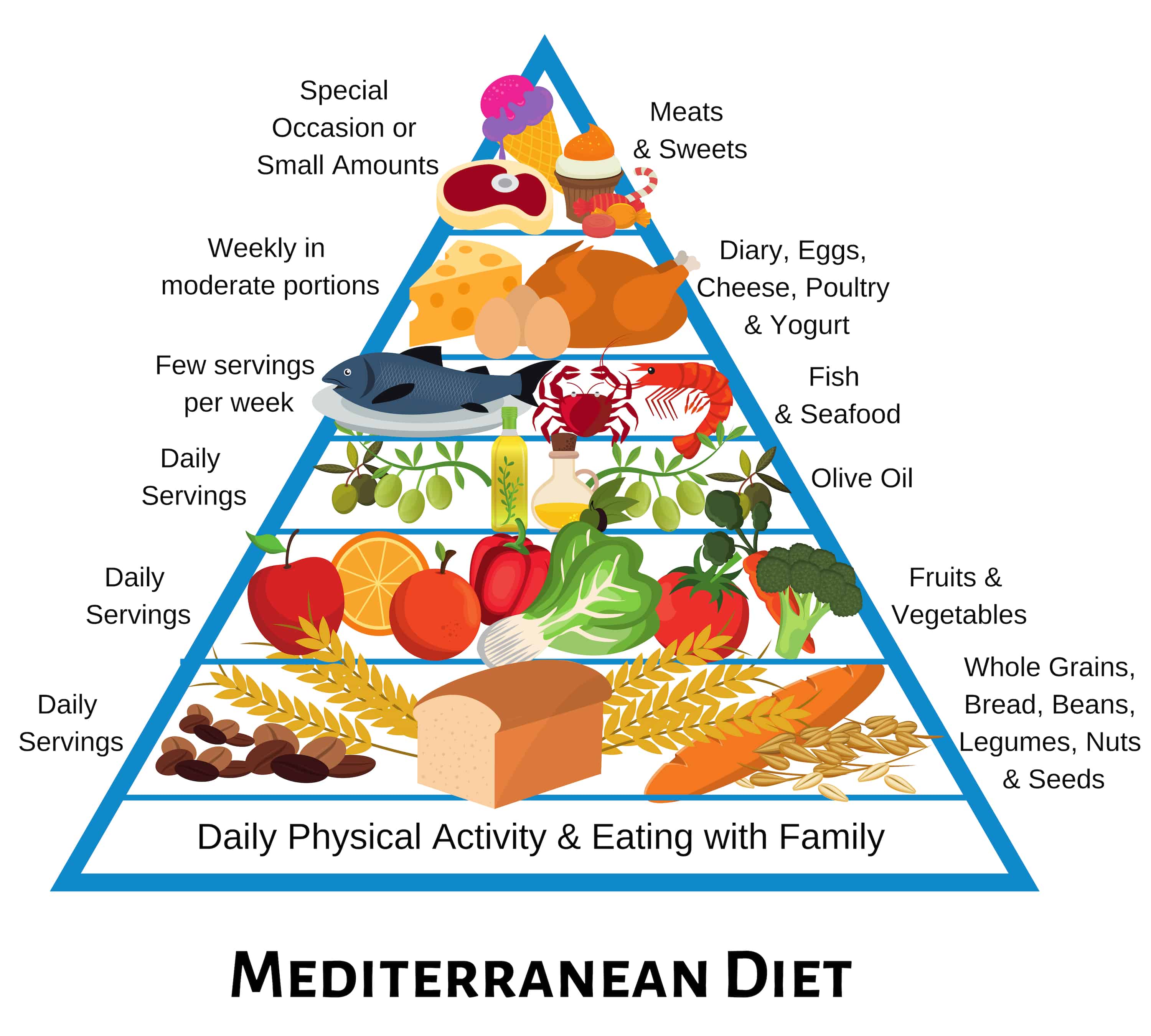
The success of this program suggests that the quality of advice matters. While standard recommendations for a Mediterranean diet and general exercise are common, the trial indicates that a high-intensity, structured approach provides a more significant clinical benefit. This distinction is vital for healthcare providers who are developing survivorship care plans. By focusing on measurable outcomes like BMI and metabolic syndrome, clinicians can offer more personalized and effective guidance to their patients. For more information on established survivorship guidelines, patients and providers can consult the resources provided by the National Cancer Institute.
Addressing Nutritional and Physical Needs
The inclusion of vitamin D supplementation in the study addresses a common deficiency that can affect bone health and metabolic function. Vitamin D plays a role in insulin sensitivity and inflammatory response, both of which are relevant to the metabolic health of cancer survivors. By keeping serum levels within a sufficient range, the trial participants were better supported in their weight management efforts. This multifaceted approach—combining nutrition, exercise, and targeted supplementation—represents a shift toward more integrated medical care for those recovering from cancer.
For survivors looking to implement these changes, it is important to consult with a medical professional before starting new exercise regimens or high-dose supplementation. The trial’s emphasis on “high-intensity” intervention implies a level of supervision and structured support that may not be present in self-guided programs. Patients are encouraged to discuss these findings with their oncology teams to determine how such lifestyle modifications can be safely incorporated into their individual recovery plans. As research continues to evolve, the focus remains on improving the quality of life and long-term health outcomes for survivors worldwide.
Next Steps in Survivorship Research
The data presented at the ASCO Annual Meeting serves as a foundation for further investigation into how long-term lifestyle changes can be maintained outside of a clinical trial setting. Future studies are expected to examine the durability of these improvements and whether these interventions can be scaled to reach a broader population of cancer survivors. As the medical community continues to prioritize survivorship, ongoing updates will be available through the American Society of Clinical Oncology website. We encourage our readers to share their experiences or questions regarding survivorship health in the comments section below, as we continue to track developments in this essential field of public health.
Related reading
- Bay Path to Modernize Chemistry Labs with Massachusetts Life Sciences Center Grant
- Patient bizarre : les médecins suspectent des métastases dans son cerveau, ce que révèle l …
- Has the Kessler Syndrome Already Started? Experts Are Split (daybreakwire.com)
- Colorectal cancer is on the rise — and often overlooked — in young adults (archyde.com)