
Maine’s electoral landscape remains a subject of intense focus as state officials and political actors navigate the intersection of tradition and evolving voting mandates. At the heart of this discussion is the state’s distinct approach to presidential elections and the broader influence of political endorsements within gubernatorial contests. As of June 2026, the Pine Tree State continues to operate under a framework that distinguishes between federal and state-level election procedures, a system that has sparked ongoing debate among lawmakers and the electorate alike.
The state’s current electoral mechanics are defined by specific legislative and constitutional provisions. According to the Maine Secretary of State’s office, the state utilizes ranked-choice voting (RCV) for all state-level primary elections. For general elections, however, the application of RCV is restricted to federal offices, including the U.S. President. This bifurcated system, which was first implemented during the June 12, 2018, primary election, requires that ballots be tabulated in rounds if no candidate secures a majority of the vote in the initial count, provided there are more than two candidates in the race.
Understanding Maine’s Electoral Framework
The implementation of ranked-choice voting represents a significant departure from the traditional plurality method, where the candidate with the highest number of votes is declared the winner regardless of whether they achieved a majority. Under the RCV system, voters rank candidates by preference. If no candidate reaches the 50% threshold on Election Night in qualifying races, ballots are transported to a central tabulation site in Augusta for a multi-round elimination process. The Maine Department of the Secretary of State maintains that this process is governed by specific administrative rules designed to ensure security and accuracy in the final determination of the winner.
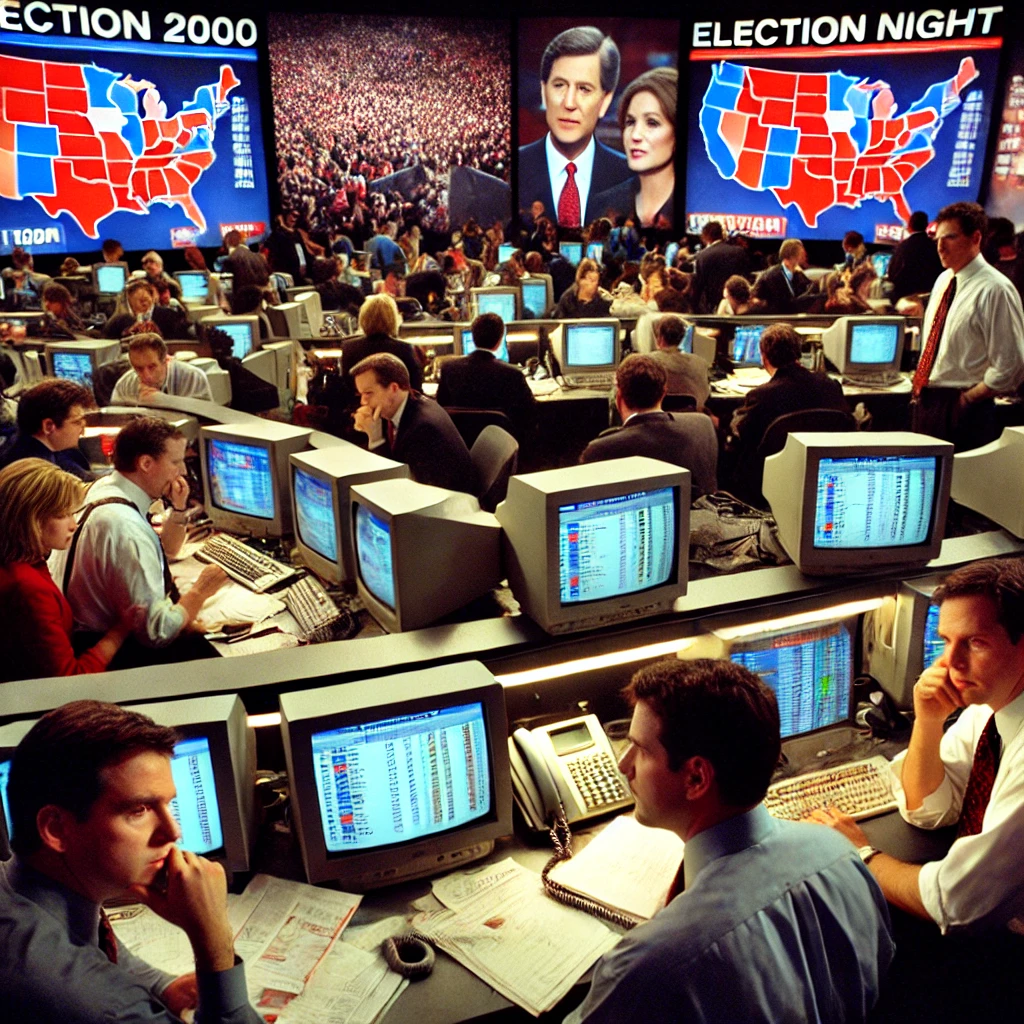
While the mechanics of RCV are clearly defined, the political implications of these systems—and the endorsements that surround them—continue to shape the state’s discourse. Gubernatorial candidates frequently navigate a political environment where alignment with established figures or interest groups can influence campaign momentum. The weight of such endorsements is often measured by their ability to translate into voter turnout or financial support, though the ultimate impact on electoral outcomes remains a central question for political analysts observing the Maine governor’s race.
Political Dynamics in the Gubernatorial Race
In the lead-up to gubernatorial contests, the role of political endorsements and the strategic positioning of candidates often come under scrutiny. Candidates often seek to balance the need for broad-based support with the demands of their party’s base. This tension is particularly visible when candidates are pressed on their positions regarding the state’s unique voting systems. Discussions surrounding the potential modification or expansion of these systems involve a complex interplay between legislative intent and the practical realities of election administration.

Observers note that the discourse often centers on whether political connections or specific policy endorsements provide a meaningful advantage to candidates. For the electorate, the focus remains on how these endorsements influence policy platforms and the subsequent governance of the state. As candidates articulate their stances on electoral reform, voters weigh these positions against the established history of Maine’s voting practices, which have been subject to various legal challenges and legislative adjustments over the past several years.
Looking Toward Future Electoral Developments
The state’s approach to electoral procedures is not static. Lawmakers continue to consider the implications of federal election dynamics on local policy. Any shift in how Maine handles its presidential electors or how it manages primary voting would require careful consideration of existing constitutional mandates. According to the Maine Secretary of State, the current reliance on the RCV system is the product of statewide votes, legal decisions, and specific provisions within the Maine Constitution. Any future changes would likely involve similar legal and legislative hurdles.

As the political season progresses, voters are encouraged to monitor official communications from the Maine Secretary of State’s office for updates on election rules, registration deadlines, and tabulation procedures. These official resources provide the most reliable information regarding the administration of elections and the rights of the electorate. Engagement with the democratic process remains a cornerstone of the state’s political culture, and transparency in how votes are cast and counted continues to be a priority for election officials across all sixteen counties.
For those interested in the ongoing developments of Maine’s political environment, further information and official guidance can be accessed through the Maine.gov election portal. We invite our readers to join the conversation in the comments section below regarding the impact of electoral reform on the state’s future.
Related reading