The GNU Project has maintained its momentum in software development with the release of the May GNU Spotlight. Amin Bandali, a long-time contributor and maintainer within the community, recently highlighted a collection of eleven new software releases that underscore the project’s ongoing commitment to free software and system utility. These updates span a diverse range of applications, from security tools to specialized programming interfaces, reflecting the breadth of the GNU ecosystem.
For users and developers alike, the May spotlight serves as a primary touchpoint for tracking the evolution of essential open-source tools. By coordinating these releases, the project ensures that its various components remain compatible and secure. The updates announced this month include significant milestones for projects such as GnuPG, the widely used encryption software, and G-Golf, which facilitates the integration of the GNU Object-oriented Layer for GTK+ with the Guile programming language.
Key Updates in the GNU Ecosystem
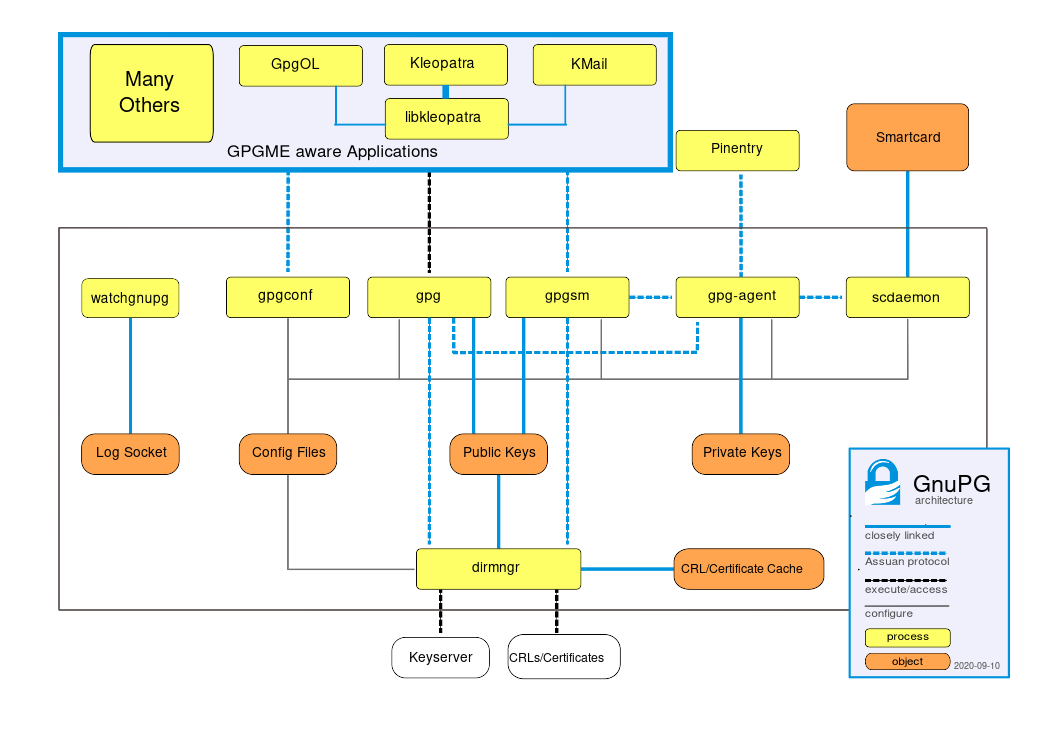
The May GNU Spotlight highlights eleven distinct packages, each receiving updates intended to bolster performance, security, or feature parity. The inclusion of GnuPG is particularly notable given its status as a foundational tool for email encryption and digital signatures. Maintaining a current version of GnuPG is a standard security recommendation for users managing secure communications, as updates often include critical patches against emerging cryptographic vulnerabilities.
Another highlight, G-Golf, represents a specialized interest for developers working within the Guile environment. By bridging the gap between Guile and GTK, G-Golf allows for the creation of complex graphical user interfaces using a Scheme-based approach. The ongoing development of this package demonstrates the GNU Project’s dedication to providing alternatives to mainstream proprietary development frameworks.
Beyond these, the list of updates serves as a reminder of the collaborative nature of the project. Each release is the result of volunteer efforts and community coordination, often documented through the official GNU mailing lists where maintainers like Bandali provide regular updates to the global user base. Accessing these releases typically involves visiting the official GNU software directory, which provides links to source code and compiled binaries for various operating systems.
Why These Releases Matter for Users
Software maintenance is the backbone of digital security. When projects like those under the GNU umbrella release updates, they are often addressing bugs, improving documentation, or adding support for newer hardware architectures. For the average user, the impact may be subtle, but the cumulative effect of these updates is a more stable and resilient computing environment.
The GNU Project’s transparency, evidenced by the regular publication of these spotlights, allows users to audit the changes being made to their software. This level of oversight is a core tenet of the free software movement. By keeping the development process public, the project encourages community contributions and peer review, which are essential for identifying potential security flaws before they can be exploited.
For those looking to get involved, the GNU Project maintains a comprehensive guide on how to contribute to existing software packages. Whether through reporting bugs, submitting patches, or improving documentation, the community relies on the active participation of its users to continue producing high-quality, free software.
Looking Ahead
The GNU Project operates on a continuous release cycle. As the May spotlight concludes, the focus shifts toward the next round of development, with maintainers already preparing for subsequent updates. Users interested in tracking the progress of specific packages can subscribe to individual project mailing lists or monitor the monthly spotlights to see which tools are next in line for a version upgrade.

The next official update cycle is expected to follow the established pattern, with announcements typically distributed through the info-gnu mailing list. Engaging with these resources is the most reliable way to stay informed about upcoming features and critical security advisories. If you found this update helpful, please feel free to share it with your professional networks or leave a comment below regarding your experience with the latest GNU releases.
Related reading