
Music has long served as a vital, resonant heartbeat for the LGBTQ community, acting as both a celebratory soundtrack for moments of pure joy and a source of quiet solace during life’s most difficult chapters. The songs that define the queer experience are as diverse as the community itself, reflecting a spectrum of identities and stories that unfold at their own unique tempo. Whether you are finding the strength to come out, seeking a sense of belonging in a chosen family, or simply learning to love yourself, these songs have become enduring anthems for millions.
At World Today Journal, we recognize that the power of a song lies in its ability to validate a listener’s personal journey. While many tracks have become staples of Pride parades and celebratory gatherings, others have provided a necessary, introspective soundtrack for those navigating the complexities of identity, healing, and resilience. From the disco-era liberation of the 1970s to the modern, genre-defying hits of today, these songs have left an indelible mark on pop culture and the lives of those who hold them dear.
The Evolution of the Queer Anthem
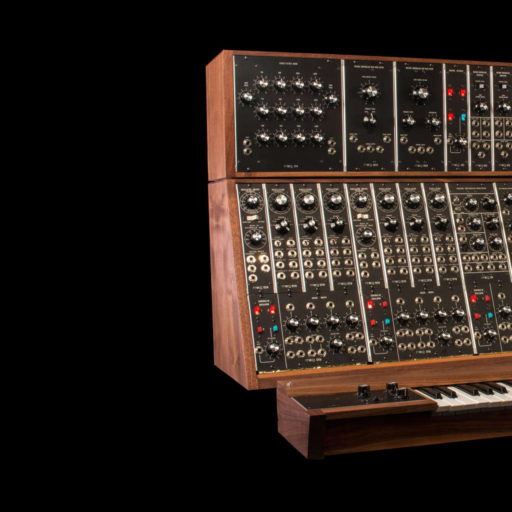
The history of the LGBTQ anthem is inextricably linked to the struggle for civil rights and the quest for visibility. In 1976, Donna Summer and producer Giorgio Moroder revolutionized club music with “I Feel Love,” a track that utilized Moog synthesizers to create a futuristic, hypnotic soundscape that became a foundational pillar of electronic dance music. As noted by the Grammy Awards, the track’s influence on club culture and its subsequent adoption by the queer community solidified its status as an iconic, trancelike experience for dancers worldwide.
By the 1980s, the narrative of these anthems began to shift toward more explicit declarations of self-acceptance and defiance. Bronski Beat’s 1984 breakout single, “Smalltown Boy,” offered a semi-autobiographical account of lead vocalist Jimmy Somerville’s experience with homophobia and his eventual journey toward liberation. It remains a landmark in British New Wave music, as documented by The Guardian, providing a voice for young queer people forced to leave home to find safety and acceptance.
Finding Strength in Pop Icons
Empowerment pop has frequently served as a bridge between mainstream success and the deeply personal struggles of the LGBTQ community. When Christina Aguilera released “Beautiful” in 2002, the song—and its accompanying music video—became a defining moment for self-acceptance. The video, which featured diverse representations of the queer experience, earned a GLAAD Media Award, recognizing its role in normalizing and celebrating the lives of LGBTQ individuals during a time of significant cultural debate.
Similarly, Lady Gaga’s 2011 anthem “Born This Way” became a global phenomenon, serving as a rallying cry for equality and self-worth. As analyzed by Billboard, the song’s message that everyone is “born a superstar” helped create a sense of unity for millions, proving that a pop song could function as a vital tool for social advocacy and personal affirmation.
The Power of Chosen Family
In recent years, the concept of “chosen family”—a support system built on shared experience and love rather than blood relation—has taken center stage in queer songwriting. Rina Sawayama’s 2021 track “Chosen Family” specifically addresses the necessity of these bonds for those who have been marginalized or ostracized by their biological families. According to an interview with NME, the song was written to honor the safe spaces that queer individuals create for one another, and its significance was further elevated when Sir Elton John collaborated on a remix of the track.
This theme of finding one’s own community is echoed in Muna’s 2017 song “I Know a Place,” which Katie Gavin described as an uplifting reminder that home is a space one defines for themselves. Such songs provide a sonic sanctuary for listeners, reminding them that they are not alone and that their identity is a source of strength, not shame.
Looking Ahead to the Next Chapter
The landscape of LGBTQ music continues to shift as new artists emerge, bringing fresh perspectives and sounds to the conversation. As we look forward, the influence of these anthems remains constant, providing a historical record of progress and a continuous source of inspiration for the next generation. Whether through the defiant lyrics of a country ballad or the propulsive energy of a house track, the music that celebrates the queer experience remains as necessary today as it has ever been.

We invite our readers to share their own personal anthems in the comments section below. What song helped you find your voice or your community? Let us know, and join the conversation as we continue to highlight the music that defines our world.
Related reading
- Gen Z Providers Are Rewriting the Rules of Medicine
- Ianthe Tavernier en Joren Dumont zetten appartement aan de kust te koop: “Met pijn in ons hart” – HBVL
- Berlin Pride Parade: One Dead and At Least 15 Injured After Van Plows Into Crowd (time.news)
- Berlin Pride Attack: One Dead and 16 Injured as Police Hunt Islamist Suspect (archyde.com)