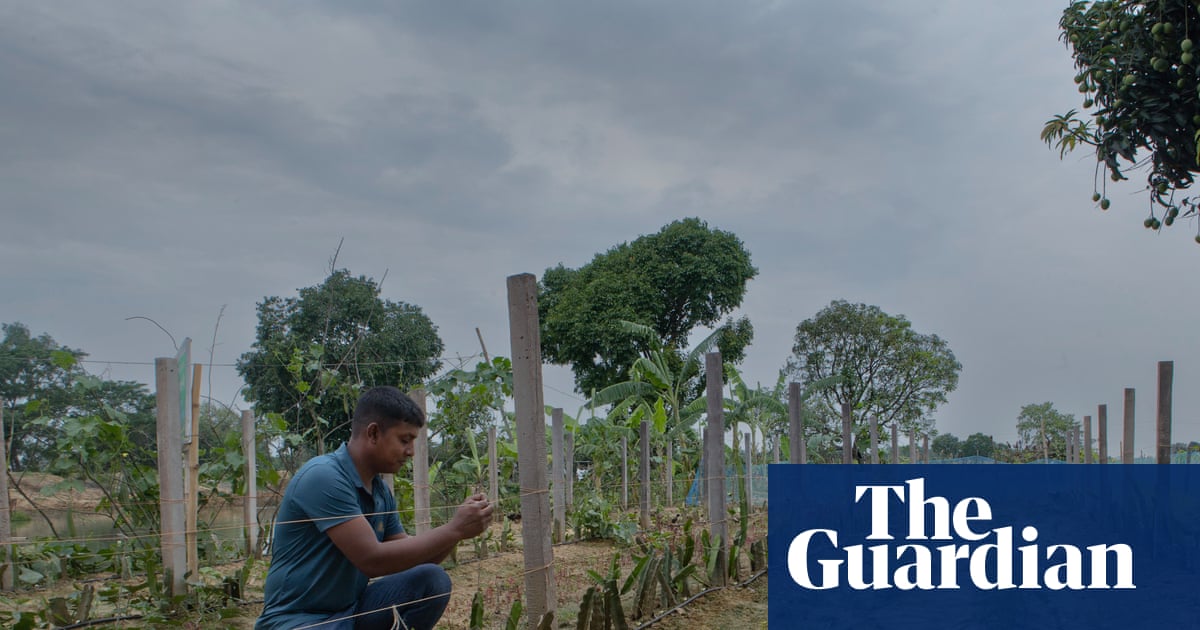
In the parched fields of northwest Bangladesh, the Barind region is facing a deepening crisis as groundwater levels plummet, threatening the livelihoods of thousands of farmers. Once hailed as a success story for its transition into a productive agricultural belt through irrigation, the area is now struggling with the consequences of intensive extraction and an intensifying climate crisis. As deep tube wells run dry, local communities are confronting a future where the very resource that sustained their economic growth is vanishing, sparking fears of long-term instability.
The Barind region, historically known for its arid climate, saw a dramatic transformation over the last few decades. The widespread adoption of deep tube wells allowed farmers to move away from rain-fed subsistence farming to year-round production of rice, wheat, and maize. However, this reliance on groundwater has come at a significant cost. According to data from the Barind Multipurpose Development Authority (BMDA), the region has seen a steady decline in water tables, a situation exacerbated by erratic rainfall patterns and rising temperatures that have increased the demand for irrigation.
The Mechanics of a Collapsing Water System
The core of the issue lies in the unsustainable rate of groundwater extraction compared to the natural replenishment of the aquifer. For years, the expansion of the agricultural sector was supported by government-led irrigation projects. Yet, as the climate crisis intensifies, the lack of seasonal recharge has left many wells non-functional. The World Bank has highlighted that Bangladesh faces significant challenges regarding water security, noting that climate-induced changes in the hydrological cycle are disproportionately affecting rural areas where agriculture remains the primary employer.
Farmers in districts like Rajshahi, Naogaon, and Chapai Nawabganj are now reporting that they must drill deeper to reach water, an endeavor that requires capital many smallholders do not possess. This financial burden is creating a divide between wealthier landowners who can afford deeper pumps and smaller farmers who are being pushed out of the market. The depletion is not merely an environmental concern; it is a socio-economic shift that is fundamentally altering the rural landscape of northwest Bangladesh.
Geopolitical and Social Implications
Water scarcity in the Barind region carries broader implications for national food security. As production costs rise due to the necessity of deeper wells and higher energy consumption to pump water, the price of staple crops is likely to face upward pressure. Experts from the International Water Management Institute (IWMI) have frequently pointed out that without a shift toward water-efficient crop varieties and improved irrigation management, the region risks a cycle of deepening poverty.
The fear expressed by local farmers regarding potential conflict over water is a sentiment often echoed in regions facing extreme resource scarcity. While there is no immediate evidence of large-scale organized violence, the tension between competing needs—domestic use, irrigation, and industrial demand—is palpable. When the lifeblood of a community dries up, the social contract that governs resource sharing is inevitably tested.
Moving Toward Sustainable Adaptation
The path forward for the Barind region involves a complex mix of policy reform and technological intervention. The government of Bangladesh has been exploring various strategies, including the promotion of surface water irrigation and the expansion of rainwater harvesting systems. However, the scale of the challenge is immense. The Food and Agriculture Organization (FAO) of the United Nations works closely with local authorities to promote sustainable land and water management practices, emphasizing that the current model of intensive groundwater use is reaching its physical limits.

For the farmers of Barind, the immediate future remains uncertain. The transition from a groundwater-reliant economy to one that is climate-resilient requires not only infrastructure investment but also a fundamental change in agricultural practices. As the sun beats down on the cracked red clay of the region, the urgency of this transition becomes clearer with every failed well.
What Happens Next?
The government is expected to release updated assessments on the state of the Barind aquifer in the coming fiscal year, which will likely influence new policy directives for irrigation management. These assessments will be critical for determining the viability of current farming practices in the most severely affected districts. As researchers continue to monitor the water table, residents and agricultural stakeholders are encouraged to participate in upcoming local workshops facilitated by agricultural extension offices to learn about water-efficient crop cycles and potential subsidies for sustainable irrigation technology.
The crisis in the Barind region serves as a stark reminder of the fragile balance between human development and environmental limits. We invite our readers to share their thoughts and experiences regarding water management in their own regions in the comments section below.
- Surprise pour les fans de Marvel : un troisième volet de “Black Panther” annoncé lors de la …
- Trump Is Pushing Nuclear Energy, Including Saudi Deal. His Family and Supporters Could Benefit.
- India Faces Steep Medal Decline at Glasgow 2026 Commonwealth Games (archyworldys.com)
- Apple Faces Lawsuit Over Fraudulent App Financial Losses (newsdirectory3.com)