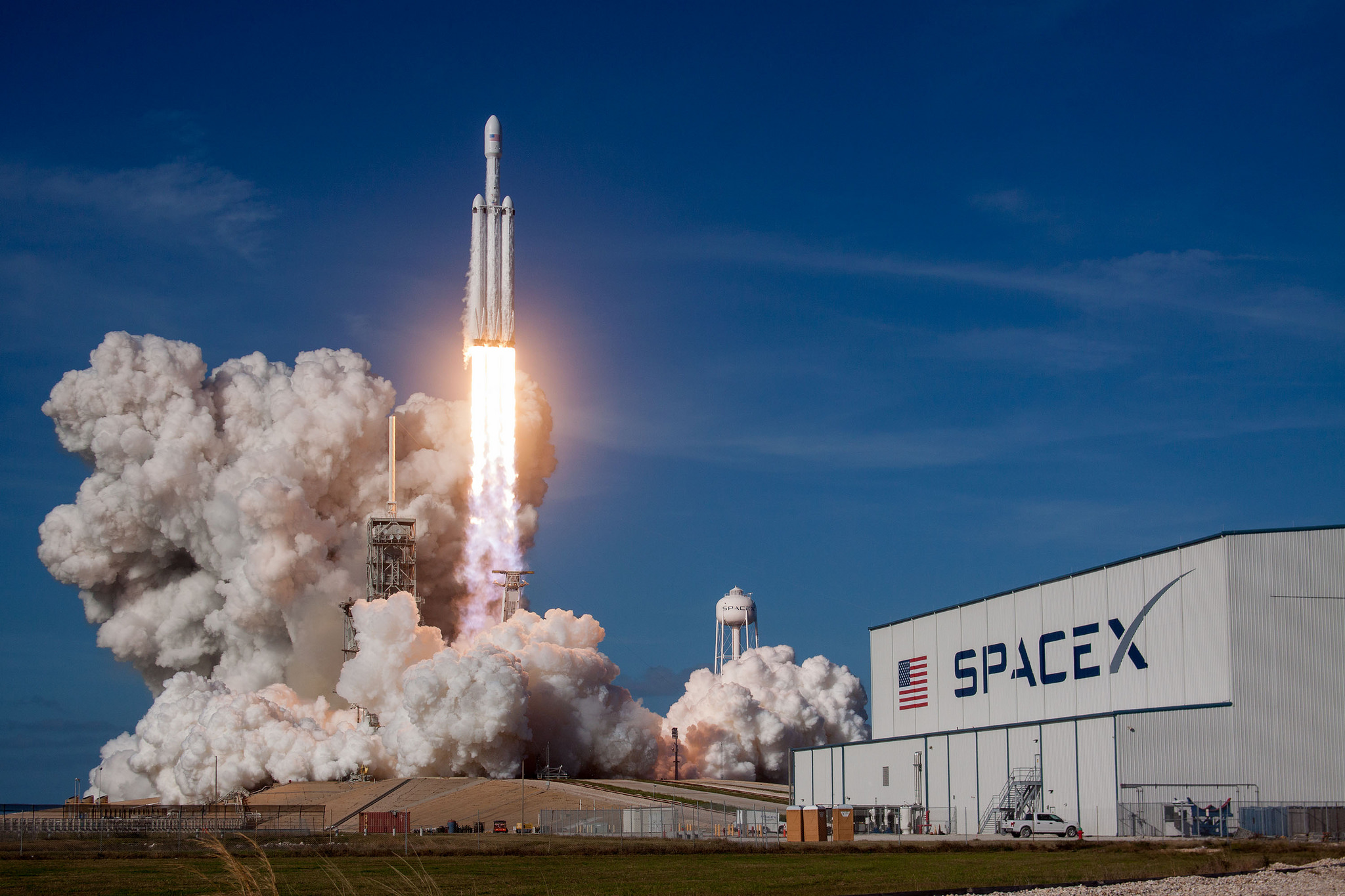
SpaceX remains a private entity, and despite persistent market speculation, there is no official timeline for a SpaceX IPO. Investors who feel the “fear of missing out” (FOMO) regarding the aerospace giant’s valuation should focus on fundamentals rather than rumors, as the company continues to prioritize its long-term mission of interplanetary colonization over the quarterly pressures of public equity markets.
For those closely tracking the aerospace sector, the conversation surrounding a potential public offering for Elon Musk’s rocket company has become a perennial fixture in financial media. Recently, industry analysts have cautioned that FOMO is not an investment strategy, particularly when applied to high-profile, private space exploration firms that lack a public ticker symbol. While retail interest in SpaceX is immense, the company’s capital structure remains closed to the public markets, and its valuation is determined primarily through private funding rounds.
According to data tracked by Reuters, SpaceX reached a valuation of approximately $210 billion following a tender offer in mid-2024. This massive figure highlights the company’s dominance in the launch industry, yet it also underscores the complexity of valuing a firm that is not subject to the same regulatory disclosure requirements as publicly traded competitors. For the average investor, this gap between private valuation and public access is where the danger of speculative “hype” often resides.
The Reality of Private Aerospace Valuation
SpaceX operates under a business model that is fundamentally different from traditional publicly traded aerospace contractors. By vertically integrating its supply chain and pioneering reusable rocket technology, the firm has disrupted the global launch market. However, as noted in reports from the Financial Times, the company’s capital-intensive nature requires significant liquidity, which it has successfully sourced through private equity and venture capital rather than public stock exchanges.

The distinction between private and public equity is vital for retail investors. When a company is private, shares are generally restricted to employees, founders, and institutional investors. There is no “IPO” in the traditional sense until the company chooses to file an S-1 registration statement with the U.S. Securities and Exchange Commission. As of early 2025, no such filing exists for SpaceX, and the company has not provided a confirmed date for entering the public markets.
Avoiding the FOMO Trap in Private Markets
Investors often fall into the trap of believing that because a company is successful, it is automatically a good investment at any price. This is rarely true. In the context of SpaceX, the “fear of missing out” can lead individuals to seek out secondary market platforms or “proxy” investments that may not offer the same exposure as direct equity ownership. Financial experts frequently warn that secondary markets for private shares often involve high transaction fees, limited liquidity, and a lack of transparent financial reporting.
The primary risk for any investor looking at the aerospace industry is the long-term nature of the returns. Unlike consumer electronics or software, space exploration requires decades of investment before reaching consistent profitability. According to the NASA Spaceflight news portal, which tracks the company’s flight cadence, SpaceX’s operational success is driven by its Starship development program, a project that is inherently risky and requires massive, sustained capital expenditure.
What Happens Next?
For those interested in the financial health of the space sector, the next meaningful updates will likely come from official disclosures regarding government contracts and private funding rounds. SpaceX continues to be a primary contractor for NASA and the U.S. Department of Defense. Monitoring these contract awards via the System for Award Management (SAM.gov) provides a more accurate picture of the company’s revenue streams than speculative podcast discussions or social media sentiment.

As an investor, the most prudent approach remains monitoring the company’s official press releases and regulatory filings. Until SpaceX makes a formal announcement regarding a public offering, any claim of an imminent IPO should be treated with extreme skepticism. The aerospace industry is evolving rapidly, and staying informed through verified, primary sources is the only way to avoid the pitfalls of market speculation.
What are your thoughts on the current state of the private space sector? Are you waiting for a potential public offering, or do you believe the company is better served by remaining private? Join the conversation in the comments section below and share your perspective on the future of space investment.
Related reading