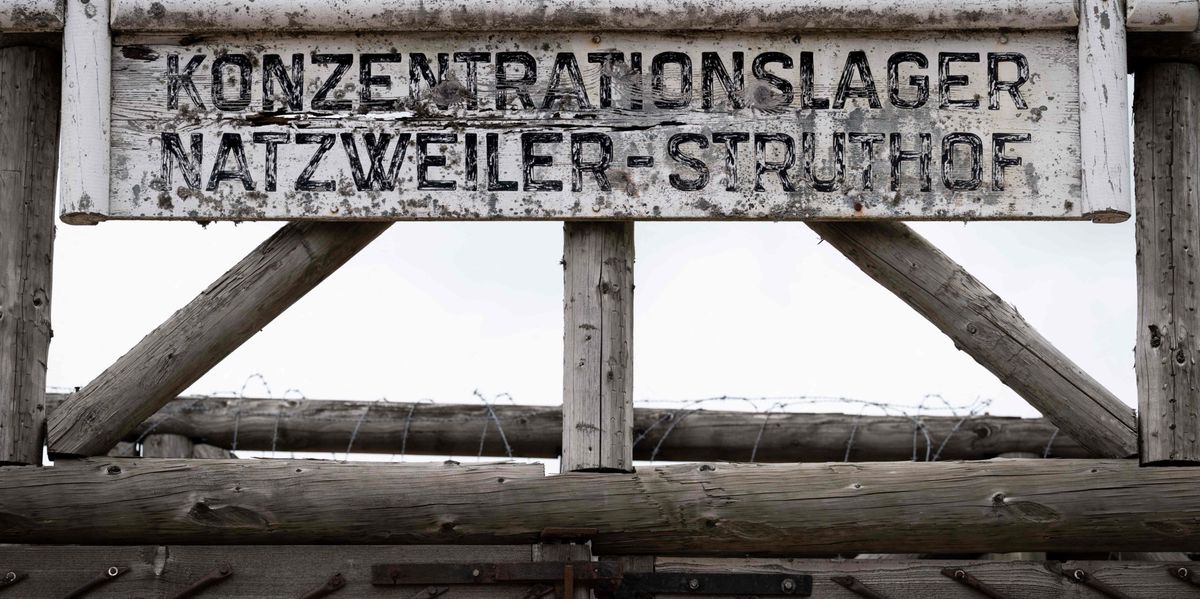
In the quiet forests of the Alsatian region, researchers have launched a significant archaeological investigation into the remains of the Natzweiler-Struthof complex, the only concentration camp established by the Nazi regime on French soil. This unprecedented excavation, focused on the site’s subterranean infrastructure, aims to uncover the hidden physical history of a facility that served as a brutal nexus of forced labor and systemic oppression during the Second World War. By examining the soil and structural remnants, historians and archaeologists are working to reconstruct the daily reality for the thousands of individuals who were imprisoned within these borders.
The Natzweiler-Struthof camp, situated in the Vosges mountains, remains a somber site of memory. As an Editor for World Today Journal, I have followed the evolution of Holocaust research in Europe for over 14 years, and this specific project represents a critical shift toward “archaeology of the recent past.” While much of the camp’s history is documented through bureaucratic records and survivor testimonies, these physical excavations provide a tangible, forensic record that can clarify how the camp’s infrastructure functioned at a granular level. The work is being conducted with a profound sense of responsibility, ensuring that the physical legacy of this site is preserved for future generations.
The Historical Significance of the Natzweiler-Struthof Complex
Established in May 1941, the Natzweiler-Struthof camp was unique within the geography of the Nazi occupation of France. Unlike the transit camps used primarily for deportation, Natzweiler-Struthof was a dedicated concentration camp where prisoners were subjected to extreme labor, medical experimentation, and severe malnutrition. According to the official record provided by the European Centre of Deported Resistance Members, the camp system eventually grew to include over 70 sub-camps, housing individuals from across occupied Europe, including members of the French Resistance, political dissidents, and Jewish prisoners.
The geography of the site—high in the Vosges mountains—was chosen in part due to the presence of pink granite, which the SS intended to exploit through a forced-labor quarry. This specific focus on industrial output makes the current archaeological excavation of the sub-soil particularly vital. Researchers are looking for evidence of the camp’s internal logistics, such as drainage systems, waste disposal, and the hidden architectural footprints that define the prisoners’ living conditions. Understanding these subterranean layers offers a stark, objective counter-narrative to any attempts to sanitize or minimize the history of the site.
Archaeological Methods and Current Findings
Modern forensic archaeology at sites of atrocity requires a delicate balance between investigative rigor and site preservation. The team operating at Natzweiler-Struthof is utilizing non-invasive techniques, including ground-penetrating radar and systematic soil sampling, to map the site without disturbing the sanctity of the location. This approach is standard practice for sites managed by the French Ministry of Culture, which oversees the preservation of national heritage sites, including those designated as places of memory.
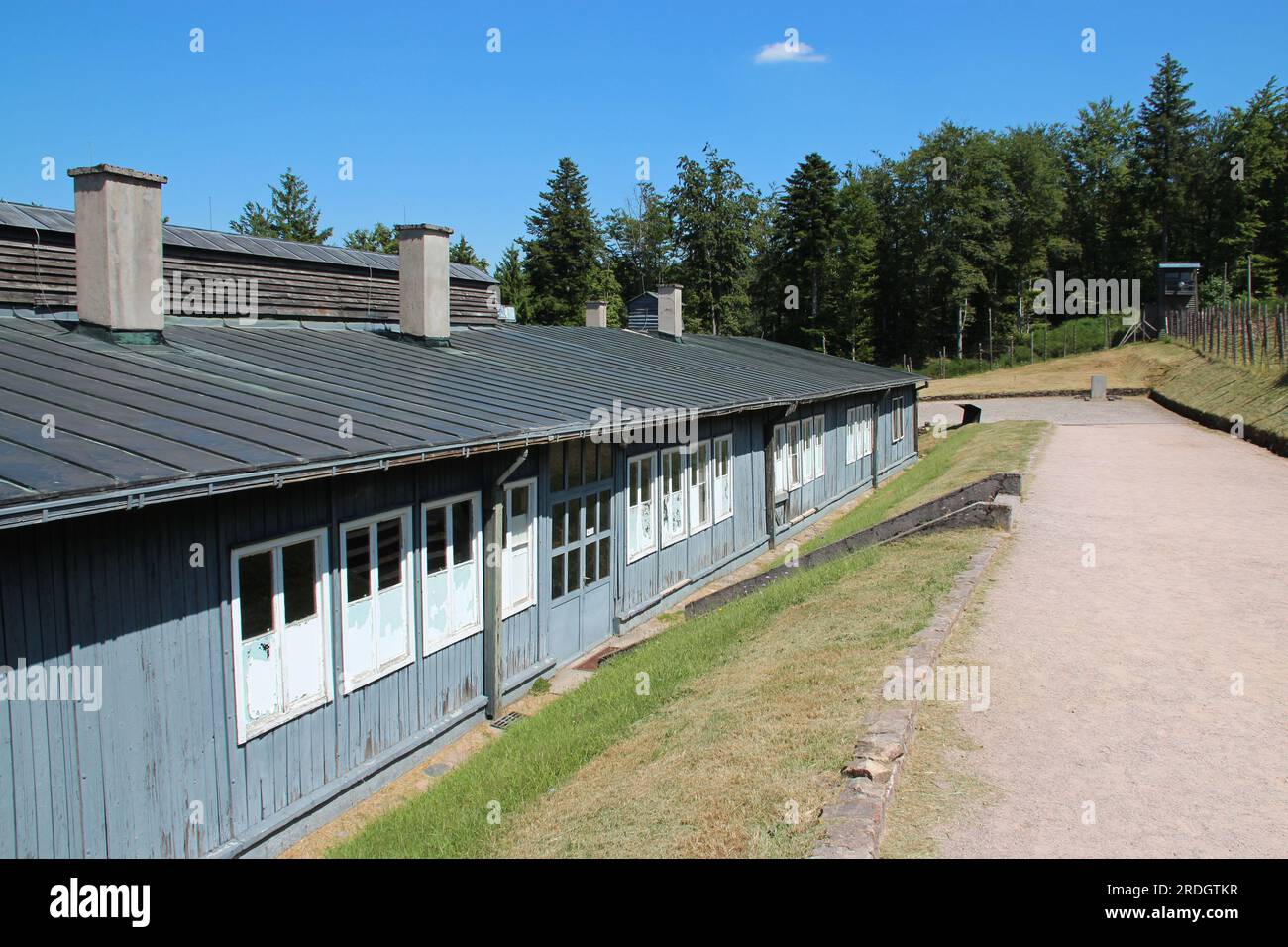
Preliminary findings from the surrounding areas have historically highlighted the existence of barracks and utility structures that were dismantled or collapsed in the decades following the war. The current, inédite (unprecedented) nature of the excavation lies in its systematic focus on the “negative space”—the areas of the camp that were not clearly mapped in the surviving SS documents. By identifying these voids, archaeologists hope to recover discarded personal effects and structural remains that offer a clearer picture of the daily survival strategies employed by prisoners. Every artifact recovered is cataloged under strict protocols to ensure that the historical context is maintained, adhering to the ethical guidelines established for research at sensitive, high-trauma sites.
Why This Research Matters Today
The preservation and study of Natzweiler-Struthof are not merely academic exercises; they are vital components of modern European historical discourse. As the last generation of survivors passes away, the physical landscape of the camp becomes the primary witness to the atrocities committed there. The Alsace-Moselle Memorial frequently emphasizes that maintaining the site is essential for education and the prevention of historical revisionism. By grounding our understanding in physical evidence, we move beyond anecdotal accounts and build a foundation of verified, undeniable history.
Furthermore, this research serves as a reminder of the proximity of these events. For many, the Holocaust feels like a distant chapter in history, but the presence of a concentration camp in the French mountains acts as a permanent, physical marker of the reality of the Nazi regime. The ongoing excavation is expected to continue throughout the coming months, with findings likely to be integrated into the permanent exhibition at the European Centre of Deported Resistance Members.
Next Steps for the Investigation
The archaeological team is scheduled to continue its field analysis through the autumn, weather permitting, given the site’s high-altitude location. The results of the soil analysis and the mapping of the subterranean remains will be compiled into a comprehensive report for the French state, which will determine the long-term conservation strategy for the newly discovered areas. No dates for a public unveiling of the findings have been set at this time, as the cataloging and preservation process is expected to be extensive.
For those interested in following the progress of this project, official updates are periodically posted via the Natzweiler-Struthof official website, which serves as the primary portal for researchers and the public alike. We encourage our readers to stay informed through these official channels to ensure they receive the most accurate, verified information as it becomes available. If you have reflections on the importance of preserving these sites or wish to share perspectives on how we remember the history of the Second World War, please join the conversation in the comments section below.