
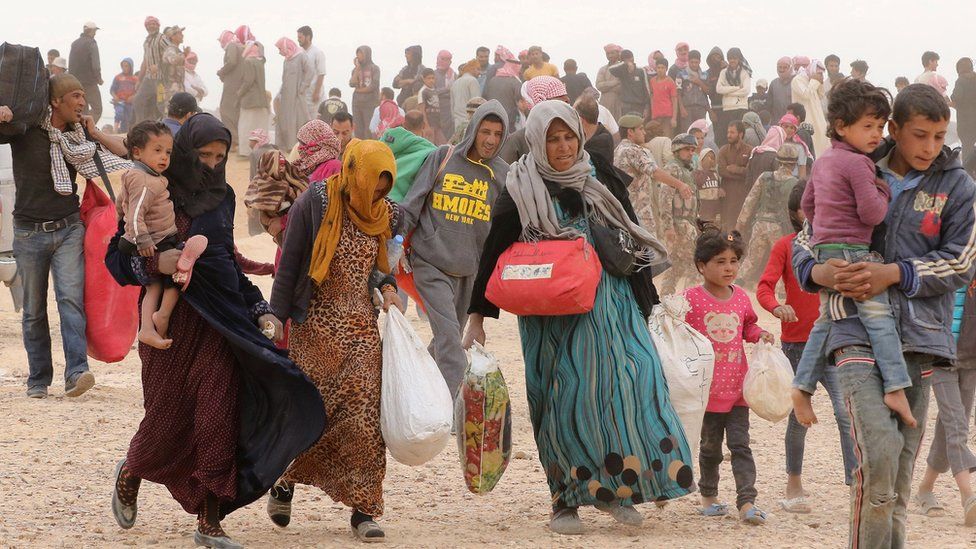
Pregnant refugees and those in the immediate postpartum period currently displaced in Lebanon face a critical lack of access to essential maternal healthcare, as regional instability significantly disrupts established medical infrastructure. According to the United Nations Population Fund (UNFPA), the combination of mass displacement and the degradation of local health facilities has created a severe barrier for women requiring prenatal care, safe delivery services, and postnatal support.
For displaced populations, the loss of consistent medical records and the geographic distance from functional clinics translate into heightened risks for both mother and infant. The current situation in Lebanon, which hosts one of the largest per-capita refugee populations globally, places additional strain on a healthcare system already challenged by years of economic crisis, as documented by the World Health Organization (WHO).
The Impact of Displacement on Prenatal Care
Displacement acts as a primary driver for the interruption of routine prenatal monitoring. When families are forced to relocate suddenly, the continuity of care—essential for identifying pregnancy-related complications such as preeclampsia or gestational diabetes—is frequently severed. Medical professionals emphasize that even short-term gaps in care can lead to poor health outcomes.

The UNHCR, the UN Refugee Agency, reports that many displaced pregnant women are currently residing in temporary shelters or informal settlements where access to specialized reproductive health services is limited. These environments often lack the sanitation and private space necessary for maternal well-being, exacerbating the physical and psychological toll of pregnancy during humanitarian crises.
Barriers to Safe Delivery and Postpartum Services
Accessing facility-based delivery services remains a significant hurdle for refugees. Even when hospitals remain operational, the costs associated with transportation and medical fees, coupled with the potential for administrative barriers, prevent many women from seeking hospital-based care. The United Nations Children’s Fund (UNICEF) has highlighted that newborn survival rates are intrinsically linked to the availability of skilled birth attendants and emergency obstetric care, both of which are currently in short supply in the most affected areas of Lebanon.
Postpartum care, often referred to as the “fourth trimester,” is frequently overlooked in emergency settings. This period is crucial for monitoring maternal recovery and infant development. Without follow-up visits, conditions such as postpartum hemorrhage or infections may go undetected and untreated, posing significant risks to maternal mortality rates.
Institutional Challenges and Resource Allocation
The strain on Lebanon’s healthcare sector is not new, but the current escalation of displacement has intensified the competition for limited medical resources. Public hospitals and non-governmental organization (NGO) clinics are operating at or beyond capacity. According to data provided by the World Bank, the country’s ongoing socioeconomic collapse has already caused a mass exodus of healthcare professionals, further depleting the workforce needed to address the specific needs of vulnerable populations.
Humanitarian organizations are attempting to bridge these gaps through mobile medical units and the distribution of “dignity kits,” which include basic hygiene supplies for postpartum women. However, these efforts are often reactive. International aid groups continue to call for sustained funding to ensure that maternal health is prioritized within the broader humanitarian response framework.
What Happens Next for Maternal Health Support
The immediate outlook for maternal health in the region remains tied to the broader security situation. Humanitarian agencies are currently monitoring the availability of essential medicines and the functionality of primary healthcare centers. The UNFPA and its partners are expected to release updated assessments on reproductive health service gaps in the coming weeks as they coordinate with the Lebanese Ministry of Public Health to stabilize supply chains for maternal health commodities.
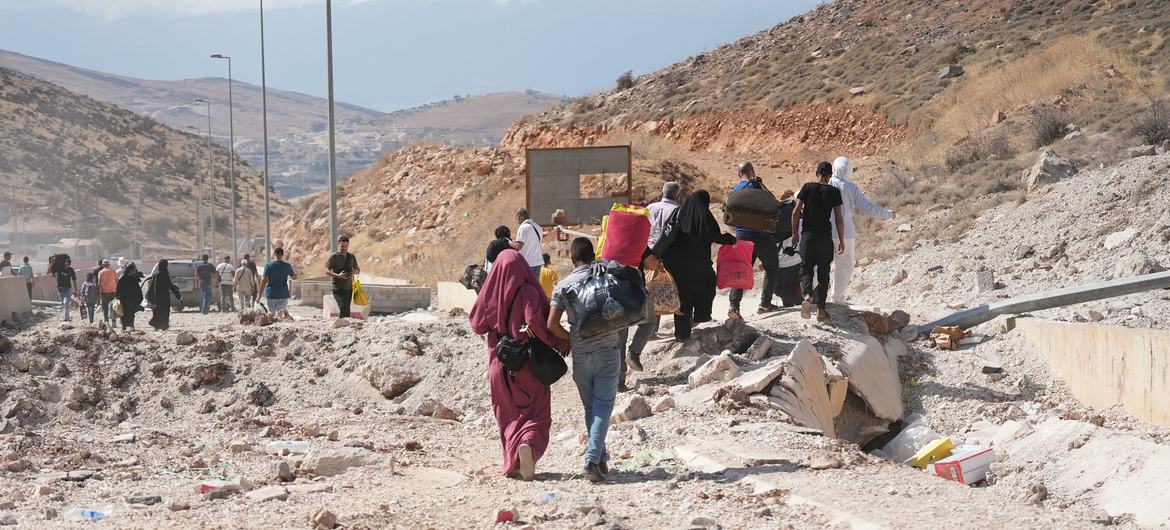
Readers interested in the ongoing status of these humanitarian efforts or seeking to understand the scope of the crisis can monitor the ReliefWeb portal for Lebanon, which aggregates official reports and sitreps from international agencies and local partners. Public health outcomes for this population will depend heavily on the sustained ability of international donors to provide the necessary funding to keep essential maternal services operational.
Have you observed or experienced changes in maternal health accessibility in your community? Share your thoughts in the comments below.
Related reading