The Swedish warship Vasa, intended to be the pride of the seventeenth-century Royal Swedish Navy, sank in Stockholm harbor on August 10, 1628, less than 20 minutes into its maiden voyage. According to the official Vasa Museum records, the vessel traveled approximately 1,300 meters—roughly 0.8 miles—before a sudden gust of wind caused it to heel over, take on water through its open gun ports, and descend to the harbor floor. The disaster remains one of the most significant maritime failures in naval history, not due to combat, but due to fundamental flaws in ship design and stability.
The Design Failure of the Vasa
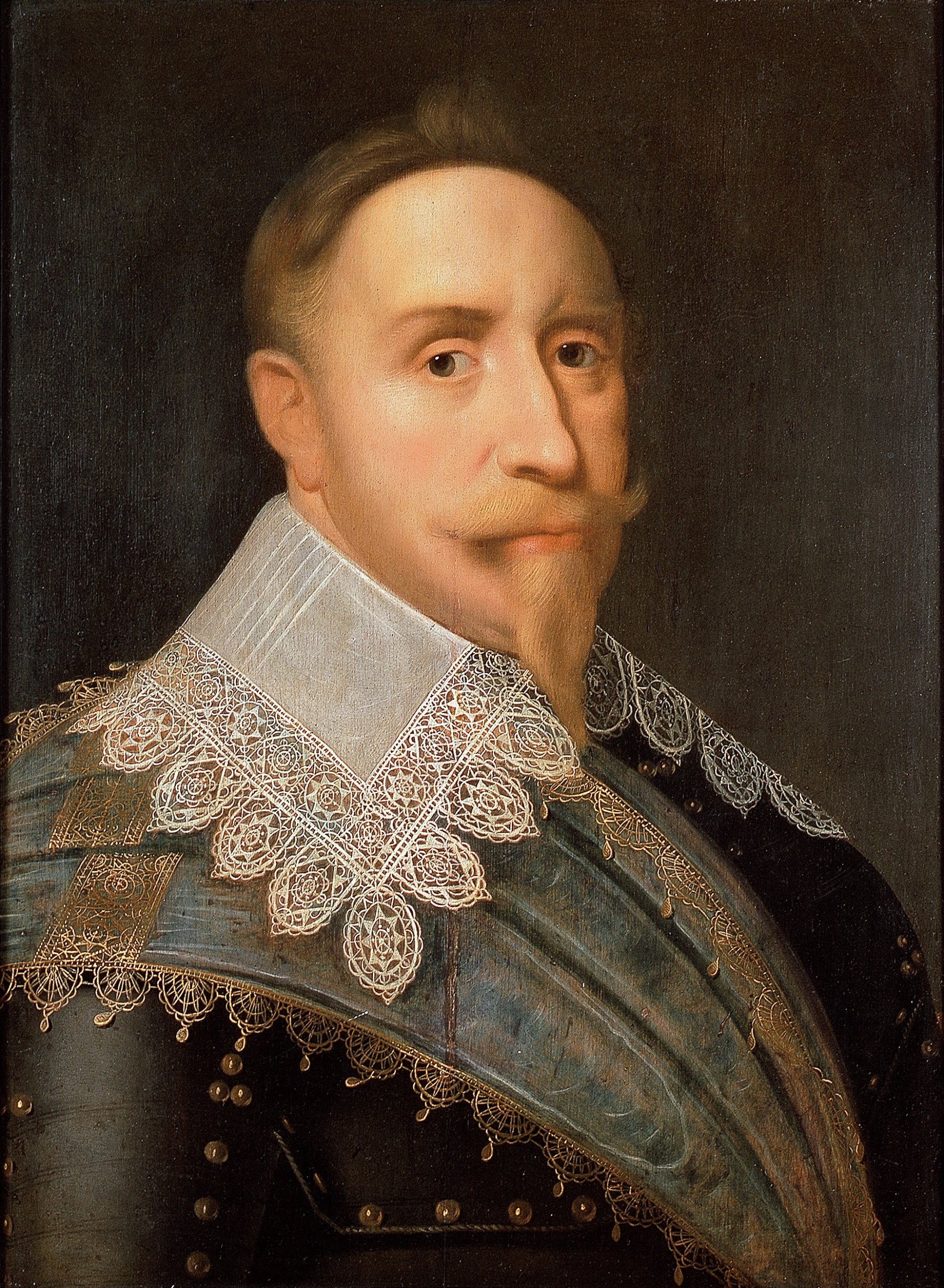
King Gustavus Adolphus commissioned the Vasa to serve as a flagship for his growing Baltic fleet. The ship was heavily armed, carrying 64 bronze cannons, which represented a massive weight burden for a vessel of its time. Historical analysis conducted by the Vasa Museum’s maritime archaeologists confirms that the ship’s center of gravity was too high, compounded by a hull that was too narrow for its height and top-heavy armament. While the shipbuilders attempted to compensate for the weight by adding ballast, the internal space was insufficient to hold the amount of stone required to stabilize such a tall structure.

The lack of modern stability calculations meant that the ship was essentially top-heavy from the moment it left the dock. On that fateful August day, as the ship cleared the shelter of the harbor, a light breeze struck the sails. Because the gun ports had been left open to fire a salute, the ship lacked the necessary buoyancy to recover once it began to list. Water flooded the lower deck, and the ship sank in roughly 32 meters of water, according to reports from the National Geographic Society. The loss of life was estimated at approximately 30 people, though the exact number remains difficult to verify definitively due to the records of the era.
Recovery and Historical Significance
For over three centuries, the Vasa remained on the seabed. It was not until 1961 that the ship was successfully salvaged, a feat of engineering that allowed historians to study seventeenth-century naval architecture in unprecedented detail. Because the Baltic Sea is largely devoid of the shipworm Teredo navalis, which typically destroys wooden wrecks, the hull of the Vasa was found to be remarkably well-preserved.

The recovery process provided researchers with a “time capsule” of Swedish life in the 1620s. According to the Vasa Museum research department, the ship contained thousands of artifacts, including clothing, tools, and personal belongings of the crew. These items have helped historians reconstruct the daily lives, nutrition, and social hierarchy of the period. Today, the ship is housed in the Vasa Museum in Stockholm, where it serves as a central point of study for maritime historians globally.
Why the Sinking Matters Today
The story of the Vasa is frequently cited in engineering and management circles as a classic case study in the dangers of “scope creep” and top-down pressure. King Gustavus Adolphus had demanded a ship with more firepower than any other vessel of its time, which pressured the master shipbuilder, Henrik Hybertsson, to deviate from standard proportions. Hybertsson died before the ship was finished, and his successor, Hein Jakobsson, lacked the authority to halt the project to correct the inherent stability issues.
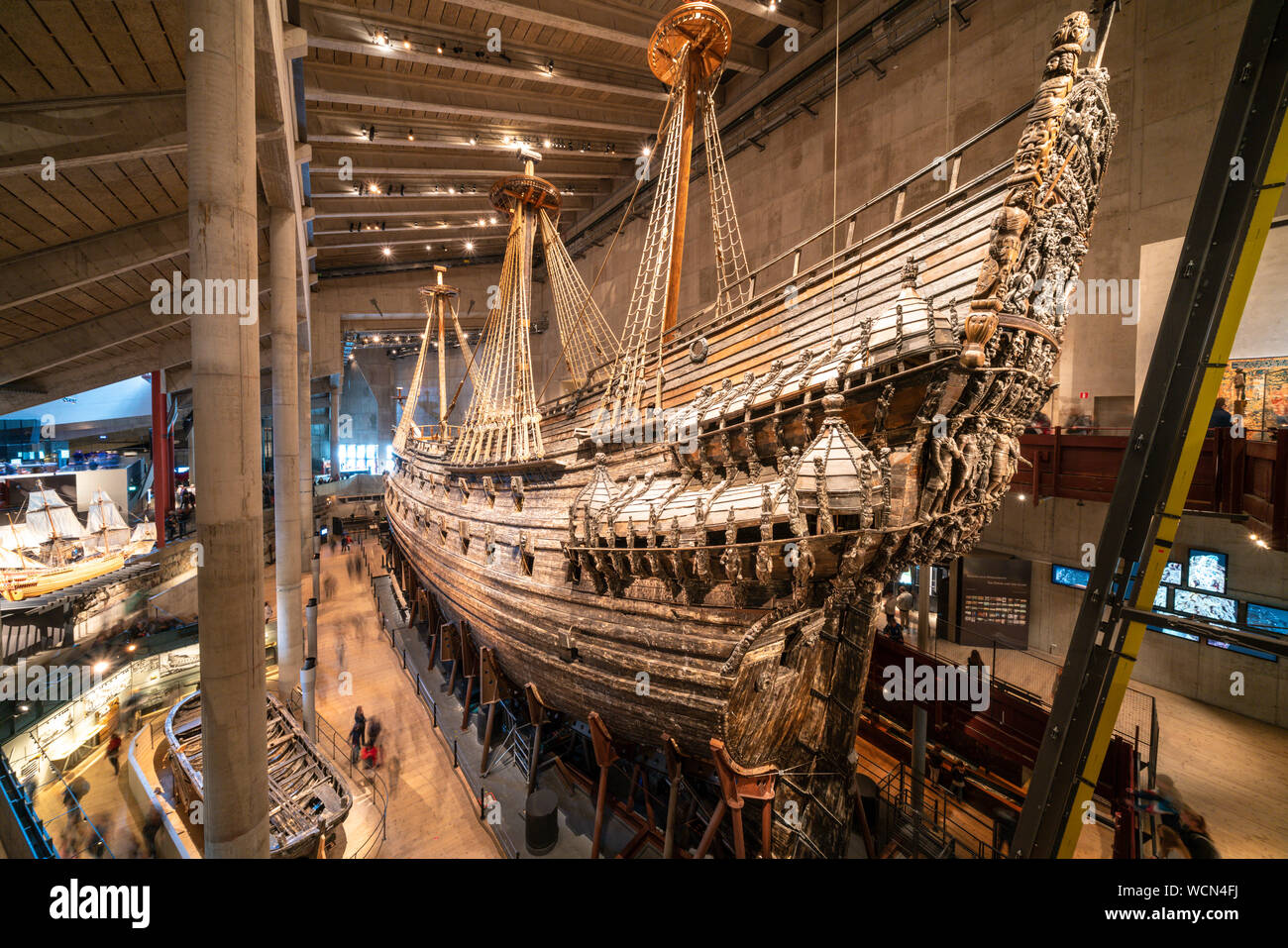
This historical narrative highlights the critical importance of balancing military requirements with physical safety constraints. In the context of modern naval procurement, the Vasa serves as a reminder that technological ambition, when untethered from engineering reality, can lead to immediate and total failure. The museum continues to conduct ongoing preservation efforts to prevent the wood from degrading further, as the iron bolts used in the original construction have corroded, requiring constant monitoring by museum conservationists.
Visitors interested in the technical specifics of the salvage operation or the current preservation status can access the latest reports via the official Vasa Museum portal. The museum remains open year-round for public viewing and academic research inquiries regarding the ship’s continued stabilization. Readers who have thoughts on the historical lessons of the Vasa are encouraged to share their perspectives in the comments section below.
Related reading
- Japan and China Clash Over Conflicting Reports of Foreign Ministers’ Meeting
- Saudi Arabia Under Houthi Attack: Iran Tensions and the Battle for Oil Security
- Fireworks Baseball 2 Episode 11: Firebirds Launch Offensive (archynewsy.com)
- Stryker SYK Focuses on Mako RPS System Launch for Total Knee Arthroplasty (world-today-news.com)