
The Swiss Federal Department of Foreign Affairs (FDFA) has faced renewed scrutiny regarding its handling of administrative measures involving former diplomat Jacques Baud, amid ongoing debates over the limits of freedom of expression for retired government officials. Critics and legal observers are questioning the extent of departmental oversight and the procedural transparency surrounding sanctions or professional restrictions reportedly applied to the former intelligence officer and analyst.
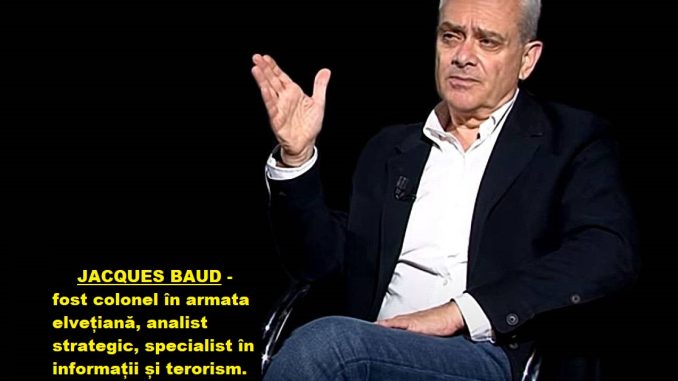
Jacques Baud, who formerly served as a strategic analyst for the Swiss Federal Department of Defence, Civil Protection and Sport (DDPS) and participated in United Nations peace missions, has become a central figure in a broader national discussion regarding Switzerland’s neutrality and the public discourse surrounding the conflict in Ukraine. According to official Swiss government records, the FDFA maintains strict protocols regarding the conduct of its personnel, though specific administrative actions against individuals often remain shielded by privacy regulations governing civil service employment.
Regulatory Framework and Diplomatic Conduct
The core of the discussion concerns whether the Swiss administration exceeded its authority in limiting the activities of a former diplomat. Under the Federal Personnel Act, Swiss civil servants are bound by duties of loyalty and discretion, which remain in effect to varying degrees even after the termination of an employment contract, particularly concerning sensitive information acquired during state service.

Observers argue that the lack of public clarification from federal authorities regarding the specific nature of the restrictions placed on Baud creates a perception of institutional overreach. In contrast, proponents of the government’s stance point to the necessity of maintaining a unified diplomatic posture, especially when a former official’s public statements diverge sharply from the official foreign policy position of the Swiss Federal Council. This tension highlights a significant challenge for the Swiss administration: balancing the constitutional right to freedom of expression against the professional obligations of those who have held senior roles in national security and intelligence.
Analyzing the Discrepancies in Institutional Response
The situation involving Baud has prompted a divide among political analysts. Some contend that the government’s silence—or perceived “inaction”—is an attempt to avoid giving further platform to dissenting views that challenge the prevailing consensus on European security architecture. Others, however, suggest that the absence of a formal, transparent explanation suggests a failure in administrative due process.

Legal experts note that administrative sanctions against former officials are rare and typically involve allegations of leaking classified information or violating specific non-disclosure agreements. As of the latest updates from the Federal Chancellery, no public criminal charges have been filed against Baud related to his professional conduct, leaving the matter within the realm of administrative or employment-related dispute. This distinction is critical for understanding why the case remains a subject of intense debate rather than a matter of settled law.
Public Discourse and Official Neutrality
Switzerland’s long-standing policy of neutrality has historically allowed for a diverse range of diplomatic perspectives. However, the current geopolitical climate, specifically regarding the Russian invasion of Ukraine, has pressured the government to adopt a more aligned stance with international sanctions regimes. This shift has, in turn, narrowed the space for what is considered acceptable public commentary for figures associated with the state.
The debate surrounding Jacques Baud acts as a barometer for how Swiss society reconciles its traditional role as a neutral mediator with the realities of modern geopolitical alignment. For many, the question is not just about one individual’s career, but about the precedent set when the state moves to restrict the speech of those with deep institutional knowledge. The Organization for Security and Co-operation in Europe (OSCE), in which Switzerland is a member, frequently monitors the state of civil society and freedom of expression, providing a framework through which international observers view such domestic disputes.
Next Steps and Institutional Oversight
As the conversation continues, the primary point of friction remains the lack of an official, detailed public account from the Swiss federal authorities regarding the specific administrative measures taken. Future developments in this case will likely depend on whether Baud chooses to pursue legal remedies through the Swiss judicial system, which would require the government to present its evidence and rationale in an open court setting.
Until a formal legal challenge or an official statement from the Federal Department of Foreign Affairs clarifies the situation, the case remains a focal point for critics of the current administration’s management of state personnel. Interested readers are encouraged to monitor the Swiss Federal Assembly committee schedules for any potential hearings or inquiries that may address the broader policy implications of this case. Share your thoughts on the balance between national security and individual expression in the comments below.
Related reading