
California Assembly Bill 225, introduced by Assemblymember Mia Bonta, proposes new regulations to limit the use of facility fees for routine outpatient care, telehealth services, and off-campus physician offices. The legislation seeks to address concerns regarding the rising costs of healthcare by restricting the ability of hospital systems to charge additional fees for non-hospital-based services, a practice that has contributed to increased patient billing complexity and financial strain for families across the state.
According to data cited by healthcare policy advocates, approximately 81% of Californians express concern regarding their future ability to afford medical services, highlighting the urgency of legislative efforts to reduce out-of-pocket expenses. By distinguishing between essential hospital-based services and routine outpatient visits, the bill aims to prevent patients from facing unexpected charges that often occur when clinics are acquired by larger health systems. The California State Legislature continues to evaluate the proposed framework, which would prohibit health plans from reimbursing these specific facility fees for non-complex, routine care.
Understanding Facility Fees and Their Impact on Patients
Facility fees are additional charges added to a patient’s medical bill when a physician’s office or clinic is owned or affiliated with a hospital system, even if the location is geographically separate from a hospital campus. These charges are intended to cover the overhead costs of operating a hospital facility, such as emergency rooms, operating theaters, and specialized equipment. However, when applied to routine services—such as an annual physical, a follow-up consultation, or a standard telehealth appointment—these fees can significantly increase the total cost of care for the patient.

The financial impact of these fees is often unexpected. Because the patient may be unaware that their local clinic has been reclassified under a hospital’s billing structure, they may receive a bill that includes a facility fee in addition to the professional fee for the physician’s time. This practice has drawn scrutiny from policymakers who argue that patients should pay the same price for the same procedure regardless of the site of service. For many families, these surprise costs create a barrier to seeking necessary medical attention, potentially leading to delayed diagnoses or the avoidance of routine care altogether.
How AB 225 Aims to Regulate Billing Practices
Assembly Bill 225 is designed to establish clear boundaries regarding when facility fees can be legally applied. Under the proposed legislation, facility fees would be limited for routine outpatient and telehealth services, ensuring that patients are not subjected to hidden markups for basic medical encounters. The bill does not eliminate facility fees entirely; it preserves them for services that genuinely require the infrastructure of a hospital, such as emergency care, inpatient procedures, and specialized treatments that utilize high-acuity hospital resources.
By preventing health plans from reimbursing prohibited facility fees, the bill creates a financial incentive for healthcare providers to align their billing practices with the actual level of service provided. Proponents of the measure suggest that these changes will help control the growth of overall healthcare spending in California. By reducing unnecessary administrative and facility-based surcharges, the bill is intended to lower insurance premiums for both families and employers, who have seen health coverage costs rise significantly over the past decade.
The Regulatory Landscape for California Healthcare
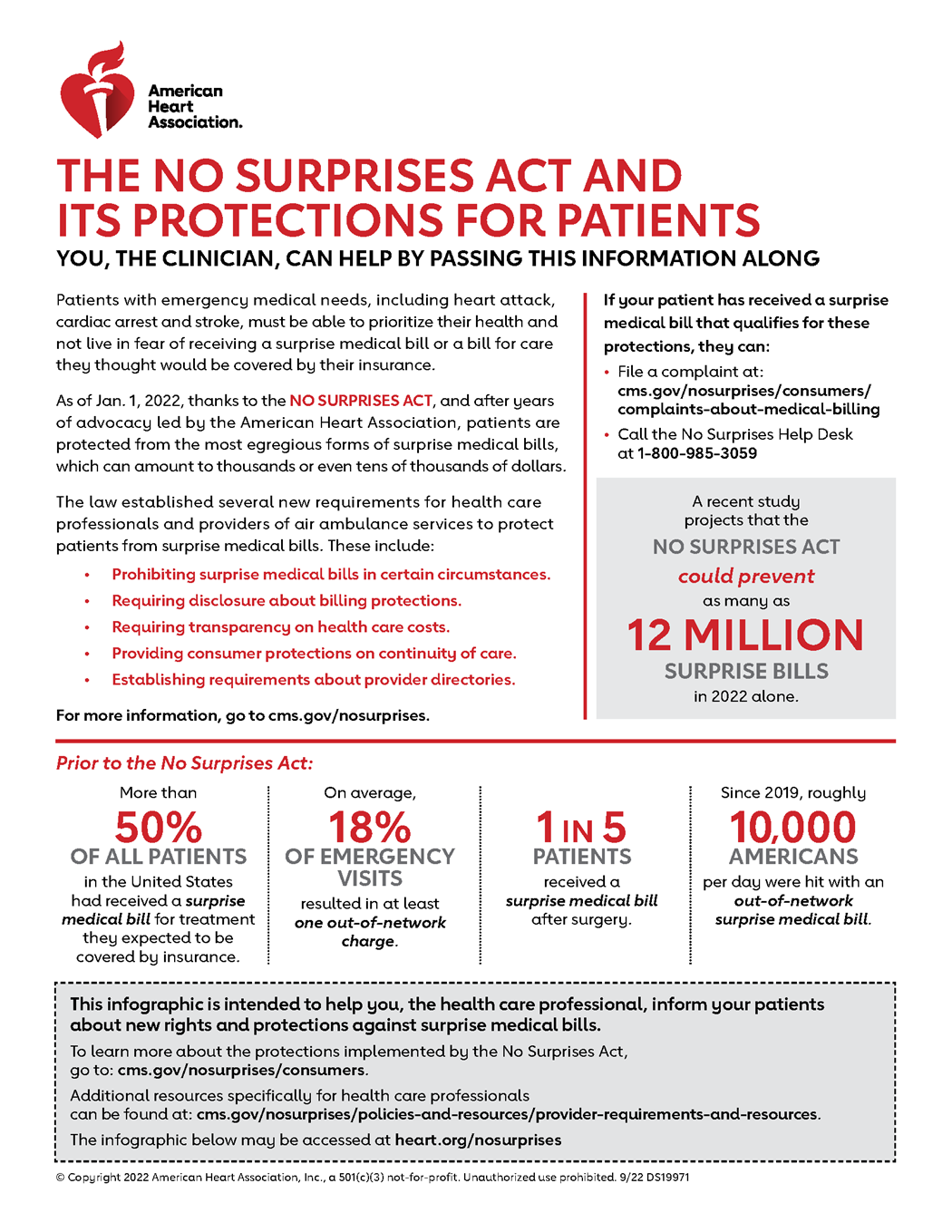
The debate surrounding AB 225 reflects a broader national trend in healthcare policy aimed at increasing price transparency and protecting patients from “surprise billing.” While federal laws such as the No Surprises Act have addressed some aspects of unexpected medical costs, such as out-of-network emergency charges, state-level legislation like AB 225 focuses on the specific issue of facility-based billing in the outpatient setting. The California Department of Managed Health Care provides oversight for health plans and continues to monitor how billing practices affect consumer access to care.
Healthcare providers and hospital systems have historically defended facility fees as necessary to maintain the financial viability of integrated health networks that provide a wide range of services. The legislative process in Sacramento involves balancing these financial considerations with the goal of ensuring that patients have predictable and affordable access to their primary and specialty care providers. As the bill moves through the committee process, stakeholders—including patient advocacy groups, hospital associations, and insurance carriers—are expected to provide testimony regarding the long-term impact on the state’s healthcare delivery system.
What Happens Next
The progression of AB 225 remains subject to the standard legislative calendar of the California State Assembly. Following committee hearings and potential amendments, the bill must be approved by both the Assembly and the Senate before it can be presented to the Governor for signature. Readers interested in tracking the bill’s status can consult the official California Legislative Information website, which provides access to the full text of the measure, committee reports, and recorded vote tallies as they occur during the session.

Public engagement remains a significant factor in the development of healthcare policy. Those wishing to learn more about how this legislation might affect their own healthcare costs are encouraged to review updates from their health insurance providers and the California Health and Human Services Agency. We invite our readers to share their experiences with medical billing and participate in the discussion below as this legislative session continues to unfold.
Related reading