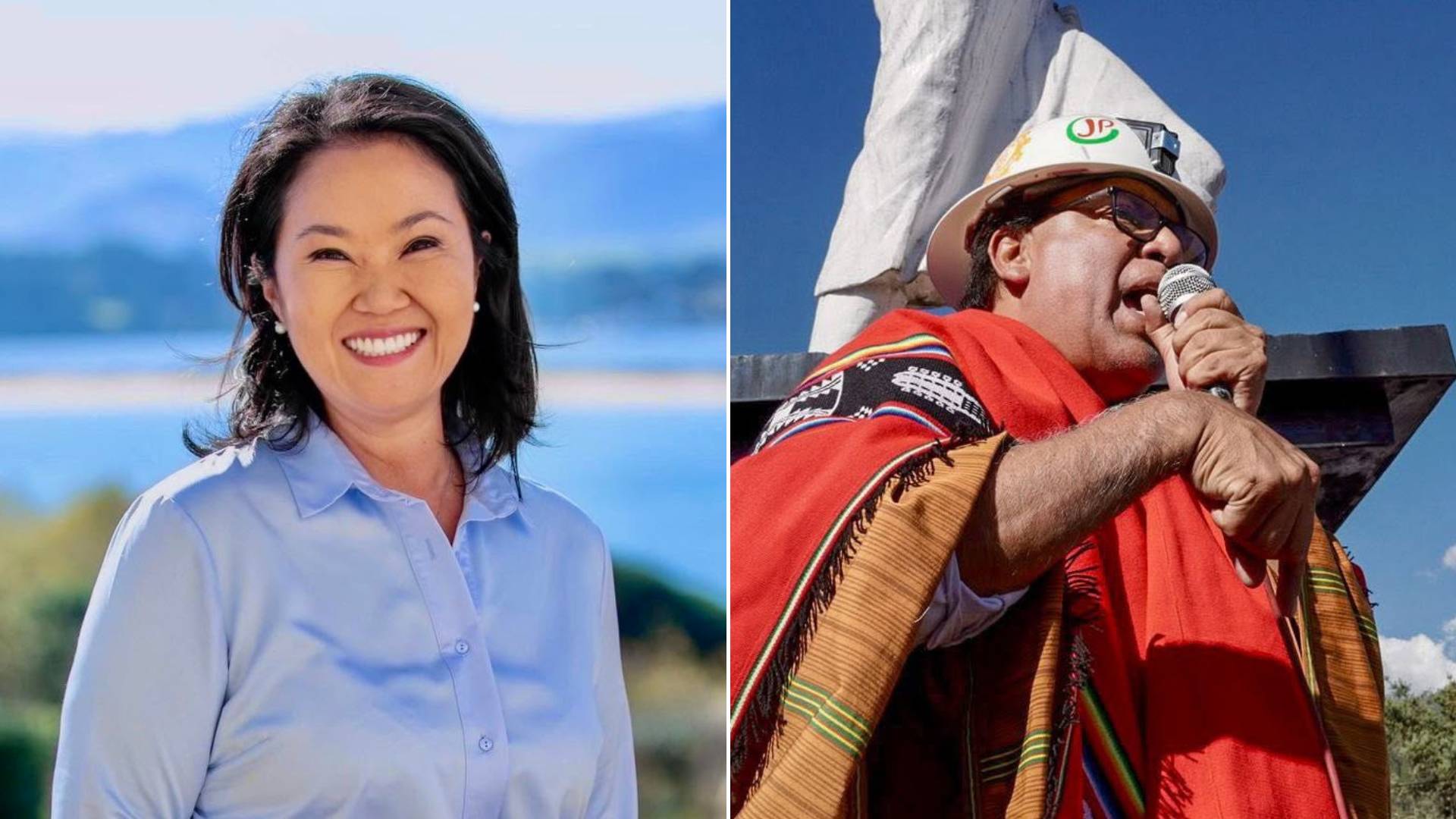
Peru’s presidential election remains undecided as electoral authorities continue the slow process of counting ballots from Sunday’s runoff, leaving the nation in a state of political uncertainty. The contest between Keiko Fujimori, leader of the Fuerza Popular party, and Pedro Castillo—who emerged as the surprise leftist challenger—has underscored deep ideological divisions within the country. While initial projections indicated a razor-thin margin, the National Office of Electoral Processes (ONPE) has cautioned that final results may take several days or even weeks to fully certify, given the complexities of processing rural and overseas votes.
As the count continues, the atmosphere in Lima remains tense. Supporters of both campaigns have gathered outside election offices, reflecting a broader regional polarization across Latin America. Economists and political observers are now closely watching how the eventual victor will manage a fractured legislature and a public demanding structural reforms. According to the National Office of Electoral Processes (ONPE), the official tally is the only legally binding source for the election outcome, and citizens are encouraged to monitor their official results portal for real-time updates.
The Electoral Process and Institutional Challenges
The path to a final declaration of a winner involves a multi-stage verification process. Once the physical ballots are counted at local stations, the results are transmitted to the ONPE for national aggregation. Disputes regarding individual ballots are adjudicated by the National Jury of Elections (JNE), the body responsible for handling appeals and ensuring the integrity of the democratic process. Under Peruvian law, both parties maintain the right to challenge specific tally sheets if they present evidence of irregularities, a process that can extend the timeline for the final announcement.

Gustavo Guerra-García Picasso, a prominent Peruvian economist and public policy expert, has noted that the current environment places significant strain on the nation’s democratic institutions. He argues that the country requires a swift implementation of reforms to restore a functional presidential system characterized by robust checks and balances. This perspective highlights a growing consensus among analysts that regardless of the winner, the next administration will face the immediate challenge of governing with a deeply divided Congress.
Regional Context and Political Polarization
The election in Peru is being viewed by international observers as a bellwether for the shifting political landscape in Latin America. Historian Greg Grandin, writing on the dynamics of modern hemispheric politics, has framed the current cycle as part of a wider, ongoing struggle between right-wing and left-wing coalitions across the continent. This ideological friction often manifests in high-stakes elections where candidates present starkly different visions for the role of the state in the economy.
The framing of this election has also drawn attention to the role of foreign influence and international rhetoric in domestic affairs. Analysts have pointed out that the influence of external political strategies and the broader, polarized climate in Washington have at times complicated the domestic messaging of candidates in the region. This trend suggests that the outcome in Peru will likely be interpreted not just as a national decision, but as a symbolic victory or defeat for competing regional political movements.
What Happens Next for Voters
For the average Peruvian voter, the primary concern remains the restoration of economic stability and the management of the ongoing public health recovery. The National Jury of Elections (JNE) has issued statements urging calm while the legal and administrative procedures are completed. Voters are advised to rely exclusively on official state communications to avoid the spread of misinformation during the waiting period.
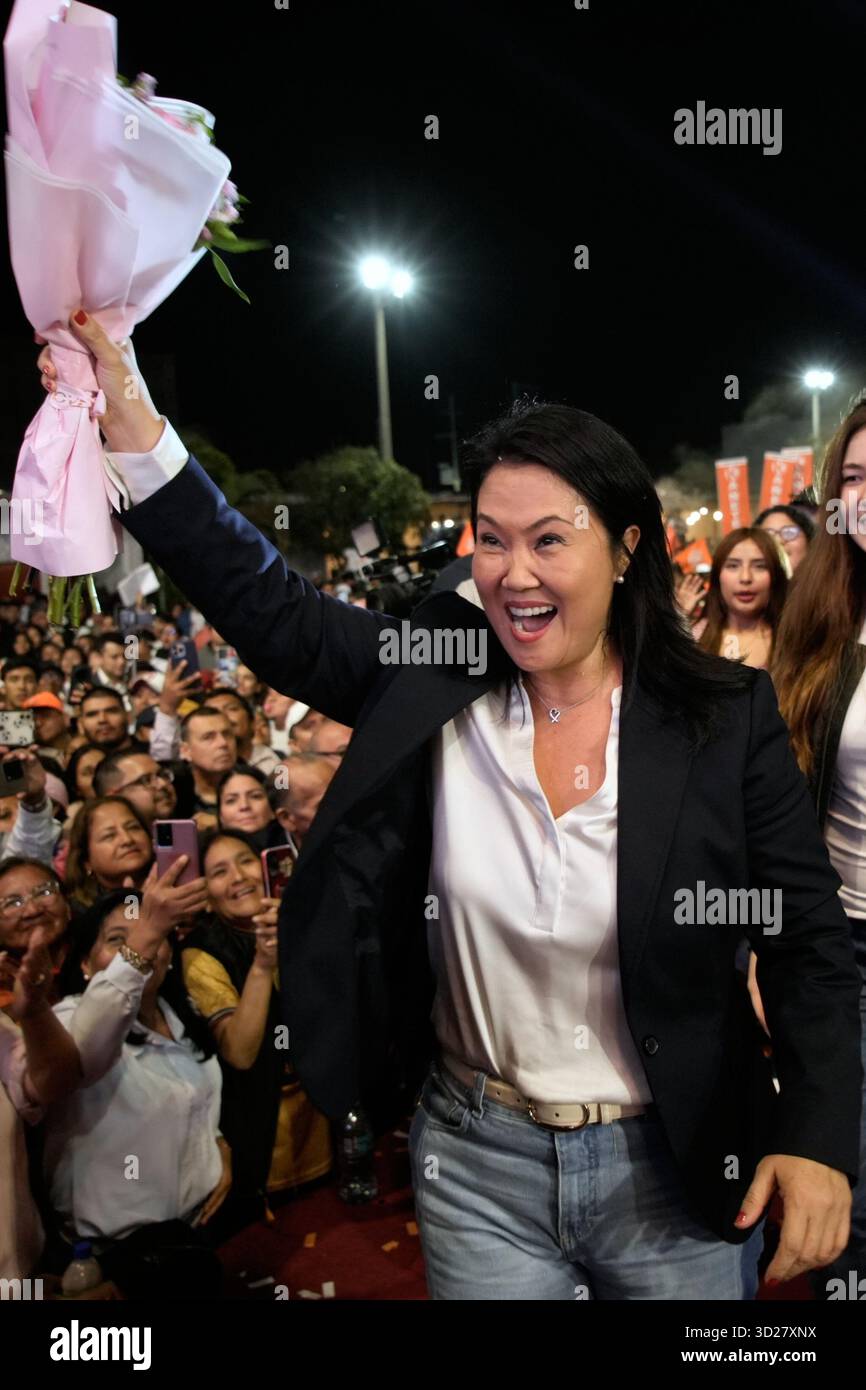
The next major checkpoint will be the resolution of any remaining challenges filed by political parties with the JNE. Once all appeals are exhausted and the electoral body determines that the vote count is complete, a winner will be formally proclaimed. Until then, the country remains in a transitional phase. We welcome our readers to share their thoughts on the electoral process and the future of Peru’s political landscape in the comments section below.
Keep reading