
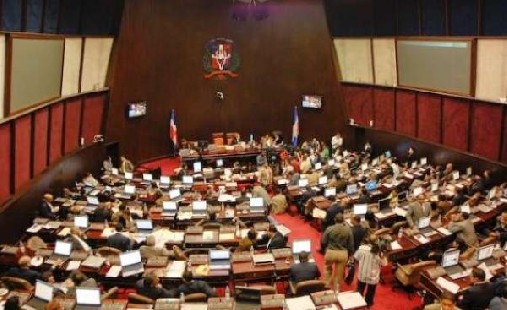
The Permanent Finance Commission of the Chamber of Deputies in the Dominican Republic held a formal session this week to review the regulatory framework surrounding digital assets and cryptocurrency platforms operating within the country. The meeting, which included representatives from various stakeholders in the financial technology sector, marks a significant step in the legislative effort to address the rise of Bitcoin-related services and their integration into the national economy, according to official legislative records.
Legislators are currently evaluating how to balance the growth of the local digital asset market with consumer protection and anti-money laundering standards. The discussions have centered on the activities of entities like Bitcoin RD, a platform that has drawn scrutiny from regulators, alongside the broader participation of entrepreneurs such as Syra Maruotti in the digital finance space. The commission’s inquiry aims to determine whether existing financial regulations are sufficient to govern decentralized exchanges or if new, specific legislation is required to protect investors, as noted by the Central Bank of the Dominican Republic regarding the risks associated with virtual assets.
Regulatory Oversight of Digital Asset Platforms
The primary focus of the Finance Commission is to clarify the legal status of companies that facilitate the trading and exchange of cryptocurrencies. While the Dominican Republic has not yet enacted a specific law governing Bitcoin, the Superintendence of the Securities Market (SIMV) has previously issued warnings regarding the volatility and lack of institutional backing for these assets. The recent meeting served as a fact-finding mission for deputies to understand the operational models of platforms like Bitcoin RD, ensuring that the legislative body is informed before drafting potential regulatory bills.

The involvement of figures like Syra Maruotti highlights the intersection of private digital entrepreneurship and the formal legislative process. As the digital economy expands, the Dominican government is increasingly looking toward regional peers, such as El Salvador, which adopted Bitcoin as legal tender in 2021, and comparing those outcomes with the more cautious approaches taken by other Latin American nations. The commission is expected to publish a report summarizing the testimonies provided during this session, which will serve as the foundation for any future regulatory proposals.
Understanding the Risks and Economic Impact
For the average investor, the lack of a clear legal framework creates significant uncertainty. The Financial Action Task Force (FATF), which sets international standards for anti-money laundering, has frequently urged jurisdictions to implement “travel rules” for virtual asset service providers. The Dominican Republic’s current legislative efforts are, in part, a response to these global pressures. By engaging directly with platform owners, deputies are attempting to bridge the gap between technological innovation and the need for a stable, transparent financial system.
The dialogue between the commission and industry representatives is not merely about restriction; it is an attempt to define the “rules of the game.” Stakeholders argue that clear regulation could actually foster a more secure environment for investment, potentially attracting legitimate fintech companies to the island. Conversely, critics of current platforms have raised concerns about the lack of transparency in transaction processing and the potential for these services to be used in illicit activities, a concern consistently highlighted by the United Nations Office on Drugs and Crime when discussing unregulated digital assets.
Next Steps in the Legislative Process
The Permanent Finance Commission has indicated that further sessions will be scheduled to delve deeper into the technical aspects of blockchain technology and its utility in the Dominican market. There is no set date for the introduction of a formal bill, but the committee is expected to continue its review throughout the current legislative period. Observers anticipate that the next phase of the process will involve consultations with legal experts and international financial bodies to ensure that any proposed law complies with global best practices.
For those following this development, official updates can be monitored through the Chamber of Deputies’ legislative portal, where hearing schedules and committee reports are archived. As the regulatory climate evolves, the distinction between compliant businesses and those operating outside the law will likely become more pronounced, shifting the landscape for both entrepreneurs and retail users in the country.
We invite our readers to share their perspectives on the intersection of digital finance and government regulation in the comments section below. Stay tuned for further updates on this developing story as more information becomes available from the legislative commission.
Related reading