
Israeli security forces conducted two separate rescue operations in the West Bank this week after Israeli citizens entered Palestinian-controlled areas and became stranded. In the first incident, three women were extracted from the village of Beit Jala, while a separate operation was launched to retrieve an Israeli man who had entered the city of Qalqilya. Both incidents were managed by the Israel Defense Forces (IDF) in coordination with local security partners, according to official reports from the Israel Defense Forces.
The incidents highlight the ongoing risks associated with unauthorized travel into areas under the jurisdiction of the Palestinian Authority. The IDF maintains strict travel advisories for Israeli citizens, warning against entering Area A, which includes major Palestinian cities where Israeli military presence is restricted under the Oslo Accords. These zones are designated as high-risk areas for Israeli nationals due to the potential for civil unrest and security friction, as noted by the Home Front Command.
Rescue Operations in Beit Jala and Qalqilya
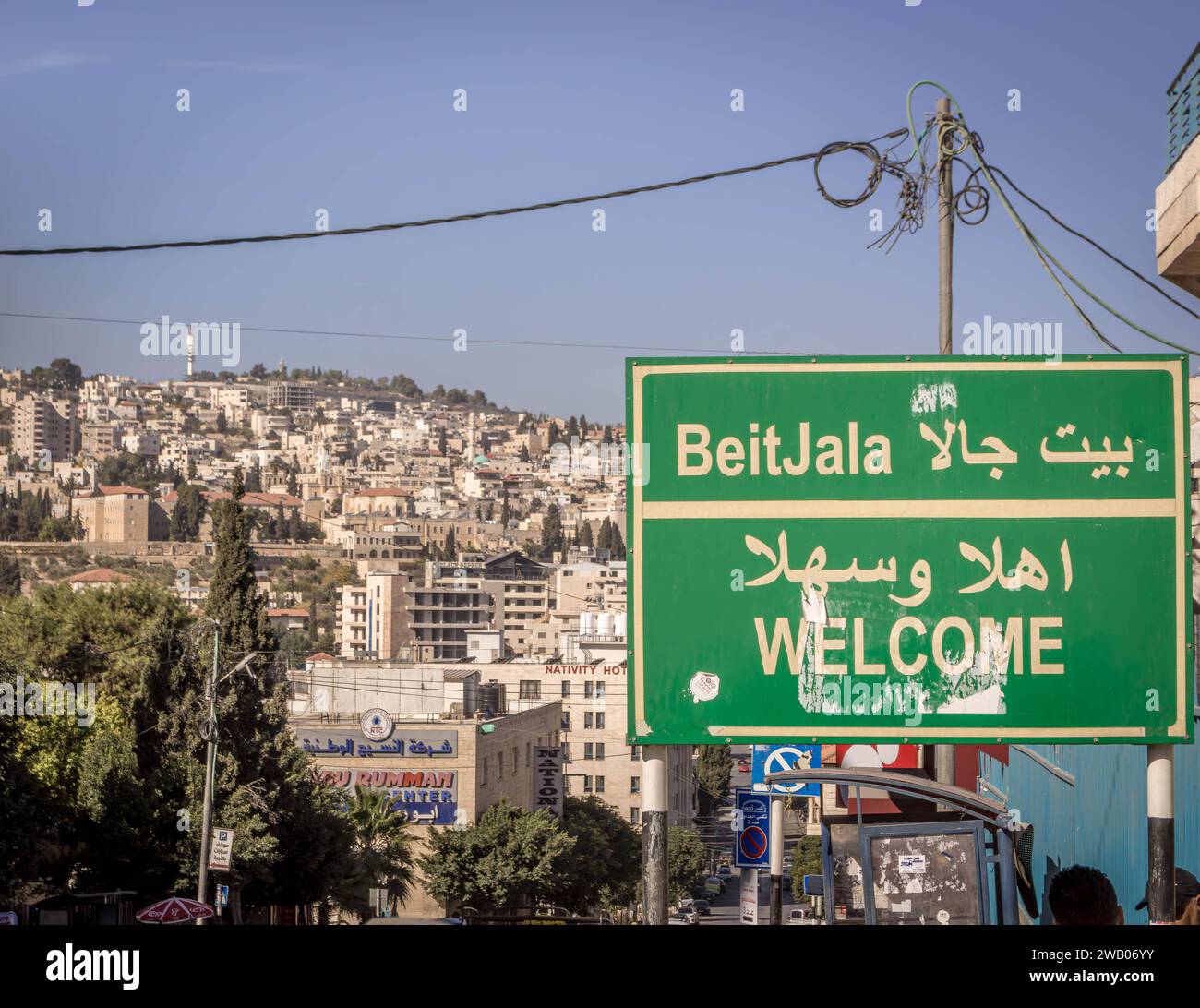
The first rescue occurred when three Israeli women reportedly took a wrong turn while navigating near the West Bank town of Beit Jala, located near Bethlehem. Upon entering the village, their presence drew attention, and local security coordination was utilized to ensure their safe exit. The IDF confirmed that the individuals were escorted out of the area by military personnel without physical injury, as reported by The Times of Israel.
Shortly thereafter, a separate incident was reported in Qalqilya, a city in the northern West Bank. An Israeli man entered the city, prompting a security response to extract him safely. IDF forces operated within the city to locate the individual and return him to Israeli territory. Such operations are typically coordinated through the District Coordination and Liaison (DCL) offices, which facilitate communication between Israeli and Palestinian security services to prevent escalations during civilian incursions, according to records from the Coordinator of Government Activities in the Territories (COGAT).
Security Risks and Official Travel Policy
The IDF and the Israeli Ministry of Foreign Affairs have consistently issued warnings regarding travel into the West Bank. These warnings are based on intelligence assessments indicating that unauthorized entry into Palestinian cities significantly increases the likelihood of confrontations, vandalism, or detention by local security forces. The military emphasizes that such incidents divert security resources away from routine operational duties, placing both the civilians and the responding troops at unnecessary risk.
Under current Israeli law, while there is no blanket criminal prohibition against Israelis entering the West Bank, specific military orders often designate certain areas as closed zones. Entering these areas can lead to questioning, detention, or further legal action depending on the circumstances of the entry and the intent of the individual involved. Security officials frequently urge the public to utilize updated GPS navigation systems that account for security boundaries and to remain on main thoroughfares designated for Israeli traffic.
Preventing Future Incidents
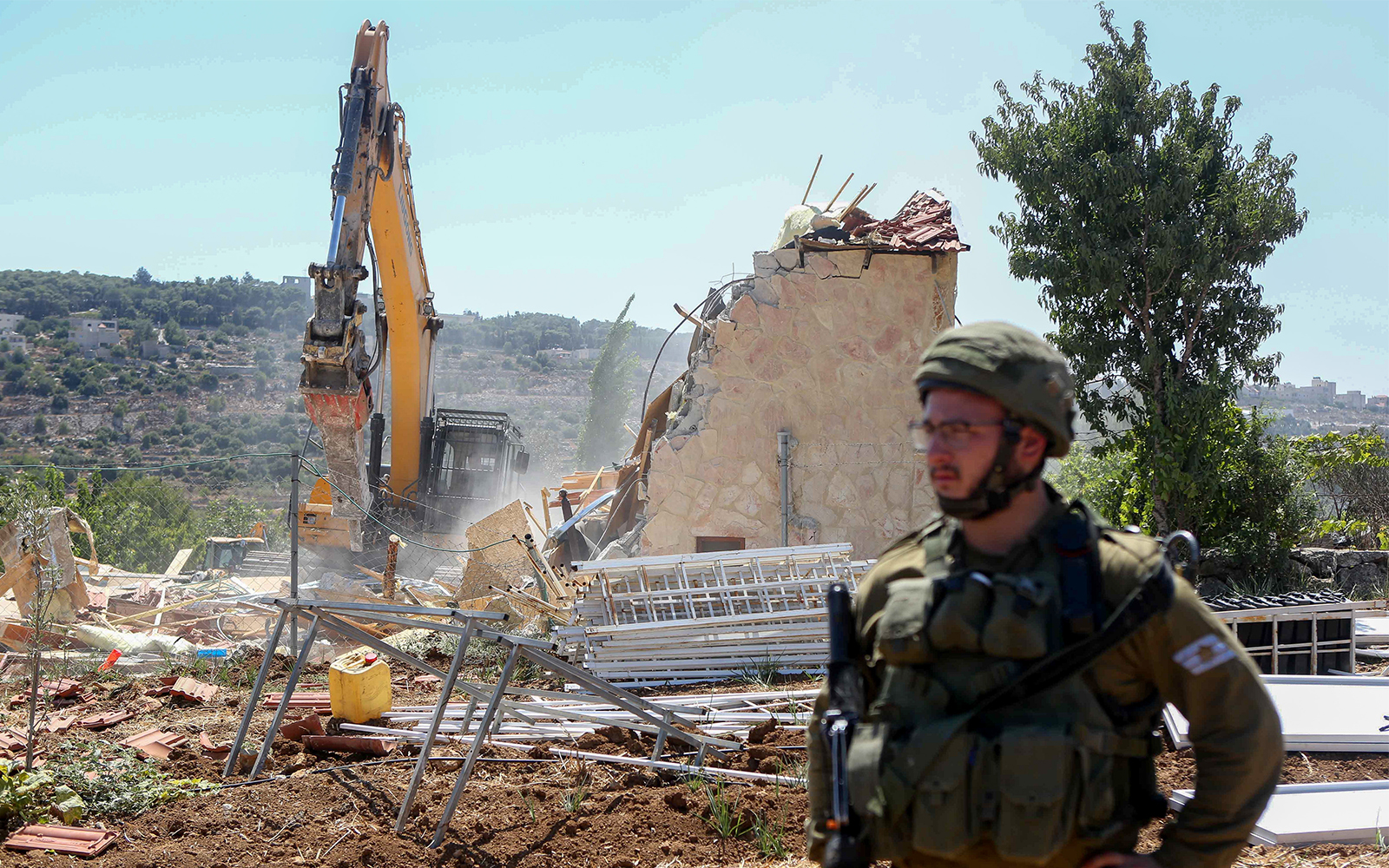
To mitigate the risks of accidental entry into restricted zones, the IDF periodically updates its road signage and coordinates with navigation technology providers to alert drivers when they are approaching high-risk areas. Despite these measures, instances of civilians entering Palestinian-controlled cities continue to occur, often attributed to reliance on faulty navigation apps or confusion regarding regional geography.
For those living in or traveling near the West Bank, the Home Front Command provides real-time updates and safety guidelines via their official digital platforms. Citizens are encouraged to monitor these channels for changes in security status or temporary road closures. The military has stated that it will continue to prioritize the safety of all citizens, but it maintains that individual responsibility remains the primary defense against such security incidents. Future updates regarding the status of these specific investigations or any resulting legal actions will be released through official military spokespersons.
We invite our readers to share their thoughts on the security situation in the region or to report any official updates they have encountered. Join the conversation in the comments section below.
Worth a look