
Gold prices in Egypt experienced a downward trend during evening trading sessions today, as domestic market volatility persists amid a widening gap between official and retail pricing. Market data indicates that the precious metal is struggling to maintain support levels, reflecting both local economic pressures and fluctuations in global bullion benchmarks tracked by the World Gold Council.
Investors and retail buyers are currently observing a notable “pricing gap”—the difference between the raw gold value and the retail price including workmanship fees—which has recently expanded to approximately 114 Egyptian pounds per gram, according to reports from local market monitors. This divergence complicates purchasing decisions for consumers, as the domestic market continues to decouple from international spot prices due to currency liquidity challenges and local demand dynamics.
Market Dynamics and Price Fluctuations
The price of 21-karat gold, the most widely traded benchmark in the Egyptian market, has seen consistent downward pressure throughout the current trading week. Financial analysts attribute this movement to a combination of profit-taking by institutional holders and a cautious sentiment among retail investors who are anticipating further adjustments in the local currency’s valuation. According to data provided by the Central Bank of Egypt regarding monetary policy, the stability of the exchange rate remains a primary driver for the domestic gold market’s performance.
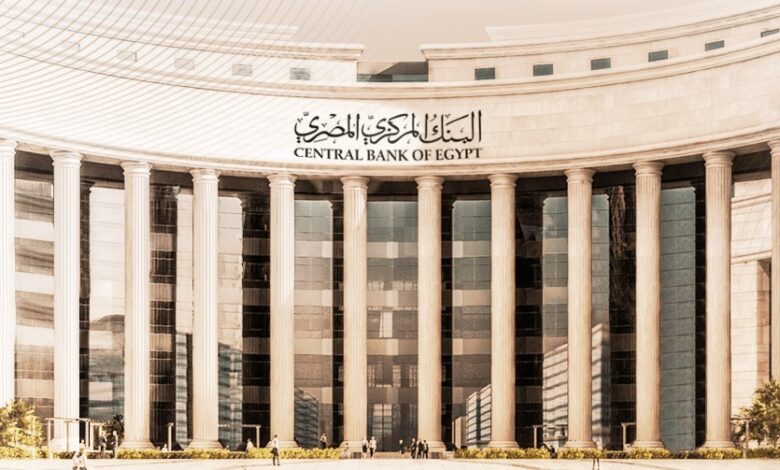
Recent trading data shows that 21-karat gold has retreated toward the 6,400 EGP range, marking a significant decline from recent peaks. This movement represents a continuation of a “bleeding” trend, as described by local bullion dealers, where the lack of clear direction in the broader economy has led to reduced trading volumes. The expansion of the pricing gap serves as an indicator of market stress; when the spread between the buy and sell prices—or the added manufacturing margins—widens, it typically signals that dealers are pricing in higher risks related to inventory replacement costs.
Understanding the Pricing Gap
In the Egyptian gold market, the “pricing gap” is not merely a reflection of supply and demand for physical gold; it is a complex metric influenced by the availability of foreign currency required to import raw gold bars. When the official exchange rate differs from the parallel market rate, jewelers and refiners often increase premiums to hedge against potential losses. This phenomenon is frequently discussed in reports by the Reuters Commodities desk, which notes that gold often acts as a localized hedge against inflation in emerging markets.

For the average consumer, this means that the price displayed on screens at retail outlets may significantly exceed the international spot price of gold converted into Egyptian pounds. Buyers are advised to verify prices across multiple certified outlets before finalizing transactions, as transparency in workmanship fees remains a point of contention between consumer protection agencies and the private jewelry sector.
What Influences Local Gold Prices
Several factors dictate the movement of gold prices in Egypt, making it one of the more volatile markets in the MENA region. The interplay between these variables creates the current price environment:

- Global Spot Prices: The international price of gold, determined in London and New York, sets the baseline for all local calculations.
- Currency Valuation: Because gold is imported, the strength of the Egyptian pound against the U.S. dollar is the most critical factor for local price shifts, as detailed in the International Monetary Fund’s Country Report for Egypt.
- Local Demand and Supply: Seasonal buying patterns, such as wedding seasons or religious holidays, can create localized spikes in demand regardless of global trends.
- Manufacturing Premiums: The “workmanship” fee (masna’iya) is often used by retailers to adjust prices based on supply chain costs rather than just the weight of the metal.
Looking Ahead: Market Outlook
Market participants are currently waiting for the next meeting of the Monetary Policy Committee (MPC) to gain clarity on interest rate trajectories, which will likely influence the attractiveness of gold compared to fixed-income assets. Historically, when interest rates rise, non-yielding assets like gold may see reduced demand; however, in high-inflation environments, the inverse often occurs as investors seek physical stores of value.
For those tracking the market, official updates on economic indicators and gold pricing are typically released by the Egyptian Exchange and reputable financial news agencies. Readers are encouraged to share their observations on current market conditions in the comments section below, as community-sourced data often highlights regional price discrepancies that are not captured by national averages.
Keep reading