
SpaceX’s Starlink service has shifted its business model for new residential subscribers, moving away from a mandatory upfront hardware purchase toward a $10 monthly equipment rental fee. This change, which eliminates the initial cost for the satellite dish and router kit, aligns the satellite internet provider with traditional cable and telecommunications industry practices.
The transition arrives alongside recent adjustments to Starlink’s monthly service pricing. According to official Starlink residential ordering pages, the standard hardware kit now requires a $0 initial investment, replaced by the recurring $10 monthly fee. This equipment includes the phased-array terminal—the dish—and the associated Wi-Fi router required to establish a connection to the low-Earth orbit satellite constellation.
Understanding the Shift in Hardware Costs
For years, Starlink required customers to pay a substantial one-time fee, often hundreds of dollars, to purchase the hardware outright. By transitioning to a rental model, the company lowers the barrier to entry for new users who may have been deterred by the high initial capital expenditure. This strategy mirrors common practices in the broadband industry, where providers such as Comcast or AT&T have historically charged monthly equipment fees for modems and gateways.
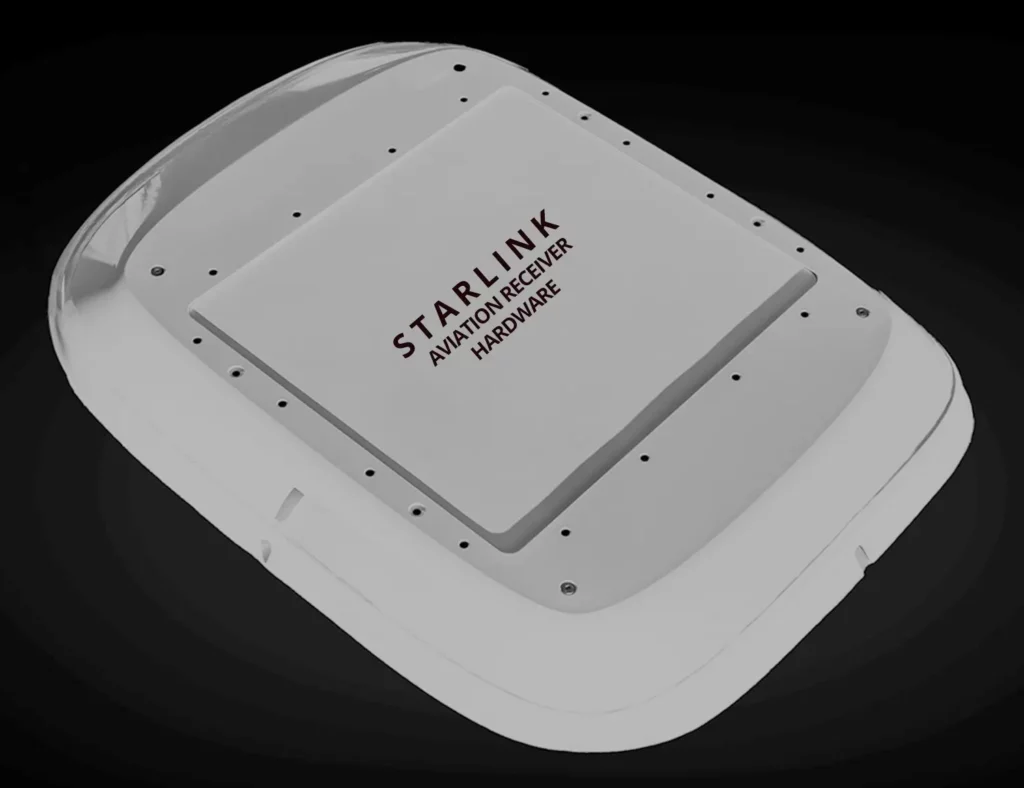
The shift applies to the standard residential kit. While the initial “kit fee” is now zero, the monthly $10 rental charge becomes a permanent addition to the subscriber’s bill. This change is separate from the service tiers themselves, which have also seen recent price fluctuations. As reported by Reuters, SpaceX has implemented varying service price increases in recent months, with some residential plans rising by $5 to $10 per month depending on the region and the specific tier selected.
Current Service Tiers and Pricing Structure
Starlink maintains a tiered pricing structure based on bandwidth availability and performance expectations. The company currently lists its residential service starting at $55 per month for the base tier, which typically offers speeds around 100Mbps. Higher-performance options are available for users requiring more bandwidth, with a $85 tier for 200Mbps and a “Max” tier that provides speeds up to 400Mbps for $130 per month.

The “Max” tier includes an additional incentive regarding installation. While Starlink generally charges a $199 fee for professional installation services, this cost is waived for customers who subscribe to the Max service plan. These figures are subject to geographic availability, as documented in the Starlink Terms of Service, which outlines that service availability and pricing can vary significantly based on the user’s specific location and satellite density in that region.
Why the Move Matters for Consumers
The decision to switch to a rental model allows SpaceX to maintain ownership of the user hardware, which simplifies the process for customers who wish to cancel or upgrade their equipment. In the previous model, users owned the dish, which limited the company’s ability to reclaim or recycle older hardware iterations. By leasing the equipment, Starlink can ensure that users are consistently operating on the most current version of their satellite technology.
However, the long-term impact on the total cost of ownership is significant. A user who keeps the service for three years will pay $360 in rental fees. Depending on the previous one-time hardware purchase price—which has fluctuated between $499 and $599 in the past—the rental model may prove more expensive for long-term subscribers compared to the legacy purchase option. Potential customers are encouraged to review their regional order page at Starlink.com to see which options are currently available in their specific area, as the rollout of these pricing changes has been phased geographically.
What Happens Next
Industry analysts continue to monitor SpaceX’s pricing strategies as the company scales its satellite constellation. The move to a rental model suggests a broader effort to capture market share in rural and underserved areas where the upfront cost was previously a primary obstacle. As of the latest update, there has been no official announcement regarding whether existing hardware owners will be eligible to transition to the rental model or if they must continue to maintain their owned equipment.
Future pricing adjustments or changes to the equipment rental policy will be communicated through the official Starlink dashboard for current subscribers. Prospective users should verify their specific hardware options at checkout, as promotional offers and equipment pricing can change without prior public notice. We invite readers to share their experiences with the new rental model in the comments section below.
Worth a look