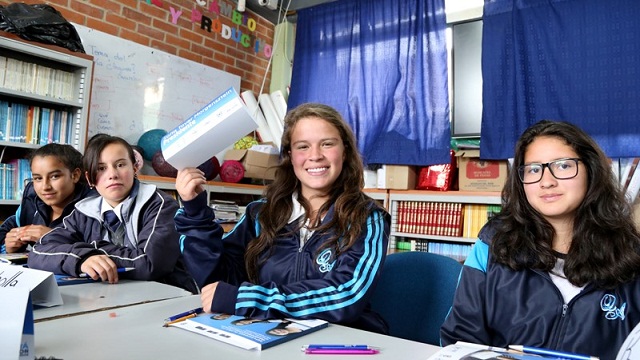
Students from rural schools in Bogotá recently participated in the “E-lab” camps, an initiative led by the Bogotá Secretary of Education to foster technological skills and innovation among youth in remote areas. This program, part of a broader effort to bridge the digital divide in the Colombian capital, provided participants with hands-on experience in electronics, robotics, and creative problem-solving.
According to the Secretaría de Educación del Distrito, these workshops are designed to strengthen the “Educación Media” (upper secondary education) curriculum by integrating practical STEM (Science, Technology, Engineering, and Mathematics) training. By bringing specialized equipment and expert instructors directly to students in rural regions, the initiative aims to provide equitable access to 21st-century career pathways.
Expanding Access to STEM Education in Rural Bogotá
The E-lab initiative addresses a persistent gap in educational resources between urban centers and rural peripheries in Bogotá. As noted by district officials, students in these areas often face geographic and logistical barriers to accessing specialized technology laboratories. The mobile nature of the E-lab camps serves as a tactical solution to bring high-quality technical education to the classroom.
During the sessions, students engaged in collaborative projects that required them to design, build, and test electronic prototypes. This methodology is intended to move beyond theoretical learning, encouraging students to apply scientific principles to real-world challenges. Participation in these camps is coordinated through the local school networks, ensuring that students from diverse rural backgrounds, including those from the localities of Sumapaz, Usme, and Ciudad Bolívar, have the opportunity to participate.
Integration with the Official Curriculum
The Secretaría de Educación emphasizes that these camps are not isolated events but are embedded within the institutional framework for student development. The program aligns with the city’s broader “Agenda de Educación Media,” which seeks to improve graduation rates and post-secondary transitions for students across the district. By partnering with external tech organizations and local universities, the program provides students with mentorship from professionals already working in the engineering and software sectors.
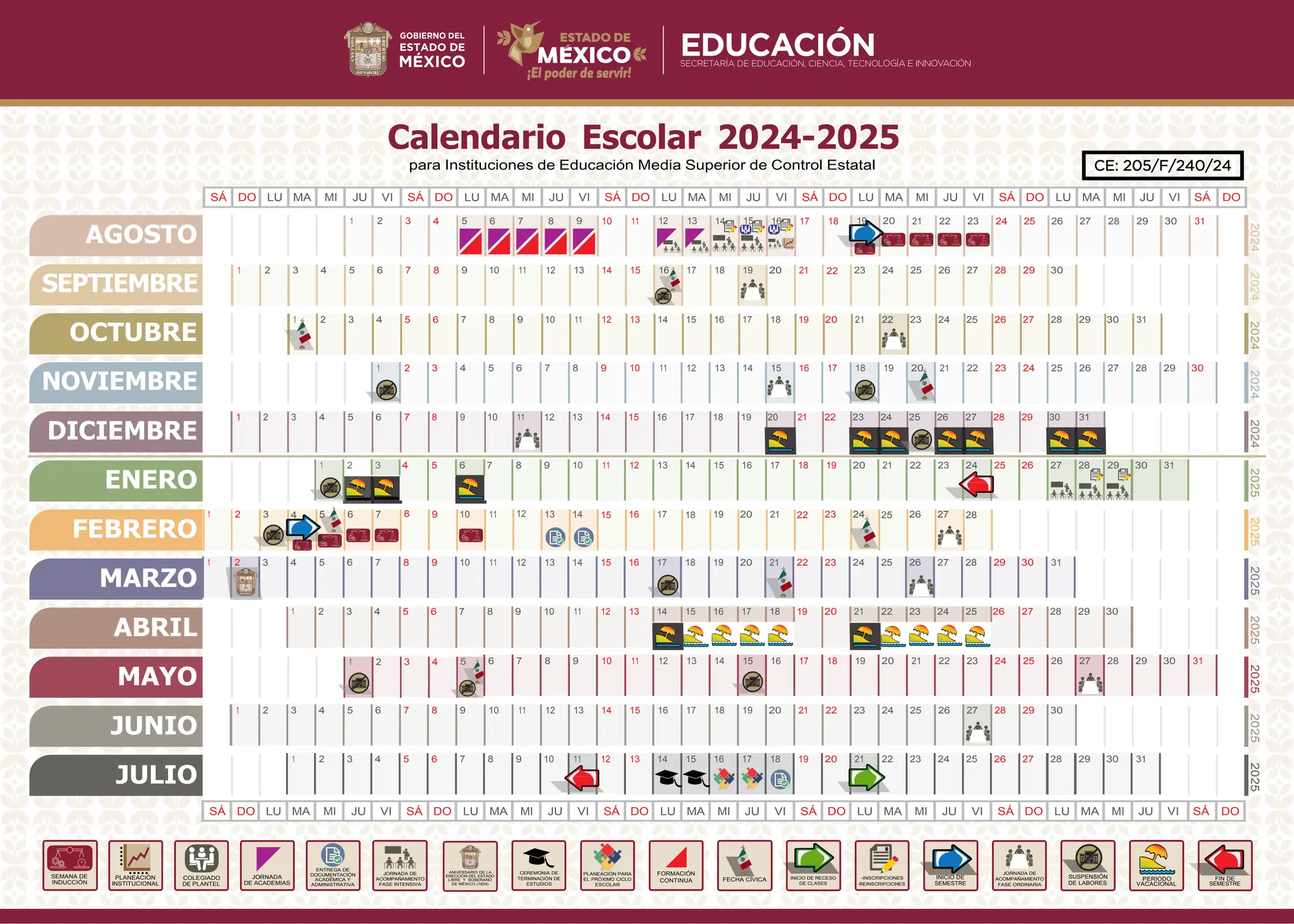
For parents and students seeking information on current or future educational programs, the district provides centralized resources. The Sistema de Información de la Secretaría de Educación serves as the primary portal for monitoring student progress and accessing digital resources. Additionally, the district maintains transparency channels, such as the anti-corruption line—accessible by dialing 195, option 1, then option 2—to ensure that educational funds and programs are managed with accountability.
Why Digital Literacy Matters for Rural Youth
The push for technological proficiency in rural Bogotá is part of a larger economic strategy. As the global economy shifts toward digitized industries, the ability to navigate complex systems, write basic code, and understand electronic hardware is increasingly viewed as a fundamental skill. For students in rural areas, developing these competencies while still in secondary school significantly enhances their competitiveness for scholarships, university admissions, and future employment in the technology sector.
The program also focuses on soft skills, such as teamwork and critical thinking. Because the E-lab environment mimics a collaborative workspace, students gain experience in project management and iterative design. These experiences are particularly vital for young people who may not have had prior exposure to professional engineering environments.
How to Participate and Find Resources
For families interested in upcoming cycles of the E-lab or similar technological initiatives, the Secretaría de Educación releases periodic updates through its official institutional portal. It is recommended that school administrators and parents regularly check the district’s calendar to identify enrollment windows for specialized programs.

The district also encourages the use of established reporting channels for any inquiries regarding the implementation of these programs. By utilizing the official Sistema Distrital de Quejas y Soluciones (SDQS), citizens can request detailed information about the schedule of upcoming workshops or provide feedback on the impact of these educational interventions in their specific school clusters.
The next phase of the district’s educational outreach will focus on evaluating the long-term impact of these STEM interventions on student performance in national standardized tests. Updates regarding the expansion of the E-lab program for the next academic semester are expected to be published on the official district website in the coming months. Readers are encouraged to share this article or comment below to discuss the importance of closing the technological divide in rural education.