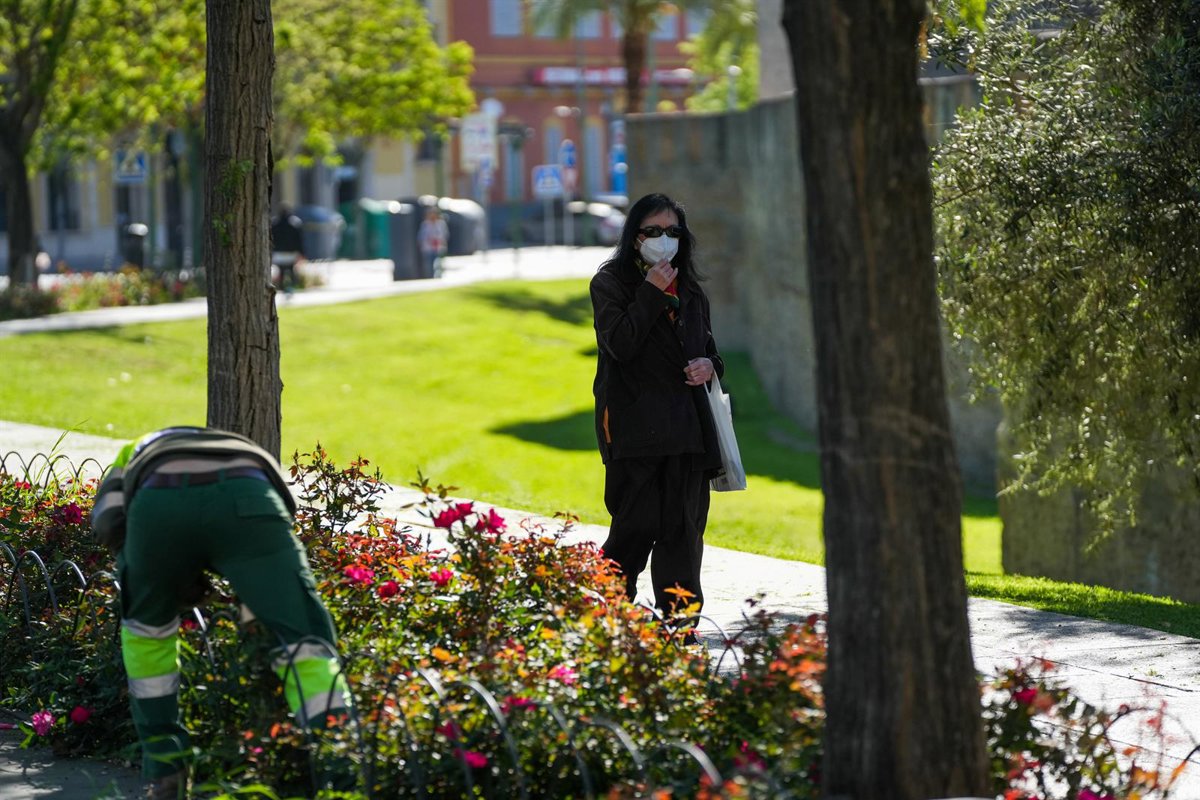
Air pollution significantly intensifies the severity of pollen allergies, according to recent research from the Technical University of Madrid (UPM). Scientists have identified a clear, measurable link between high concentrations of atmospheric pollutants—specifically nitrogen dioxide and particulate matter—and an increased physiological response in patients suffering from seasonal allergic rhinitis. This correlation suggests that urban air quality is a primary driver in the rising prevalence of respiratory sensitivities across industrialized regions.
The research, conducted by the UPM’s Department of Forestry and Natural Environment Engineering, indicates that pollutants do not merely act as irritants; they physically alter the structure of pollen grains. This chemical interaction facilitates the release of allergens into the respiratory tract more efficiently than in cleaner environments. These findings align with broader data from the European Environment Agency (EEA), which consistently monitors the impact of urban air quality on public respiratory health metrics across the continent.
The Biological Mechanism Behind Pollen Sensitivity
The core of the issue lies in how nitrogen dioxide (NO2) and ozone interact with airborne pollen. According to studies published in the journal Environmental Research, these pollutants can damage the outer wall of pollen grains, known as the exine. This damage triggers the release of cytoplasmic proteins—the actual substances that provoke an immune response—into the air in smaller, more penetrative particles. When these particles are inhaled, they reach deeper into the lower airways, which can exacerbate asthma symptoms in sensitized individuals.

This phenomenon explains why many urban residents report worsening allergy symptoms even when regional pollen counts remain stable. The quality of the air, rather than just the quantity of pollen, serves as a catalyst for the inflammatory response. Medical experts at the American Academy of Allergy, Asthma & Immunology (AAAAI) note that this “priming effect” lowers the threshold for an allergic reaction, making the immune system hypersensitive to even minor environmental triggers.
Urbanization and the Rise of Respiratory Disorders
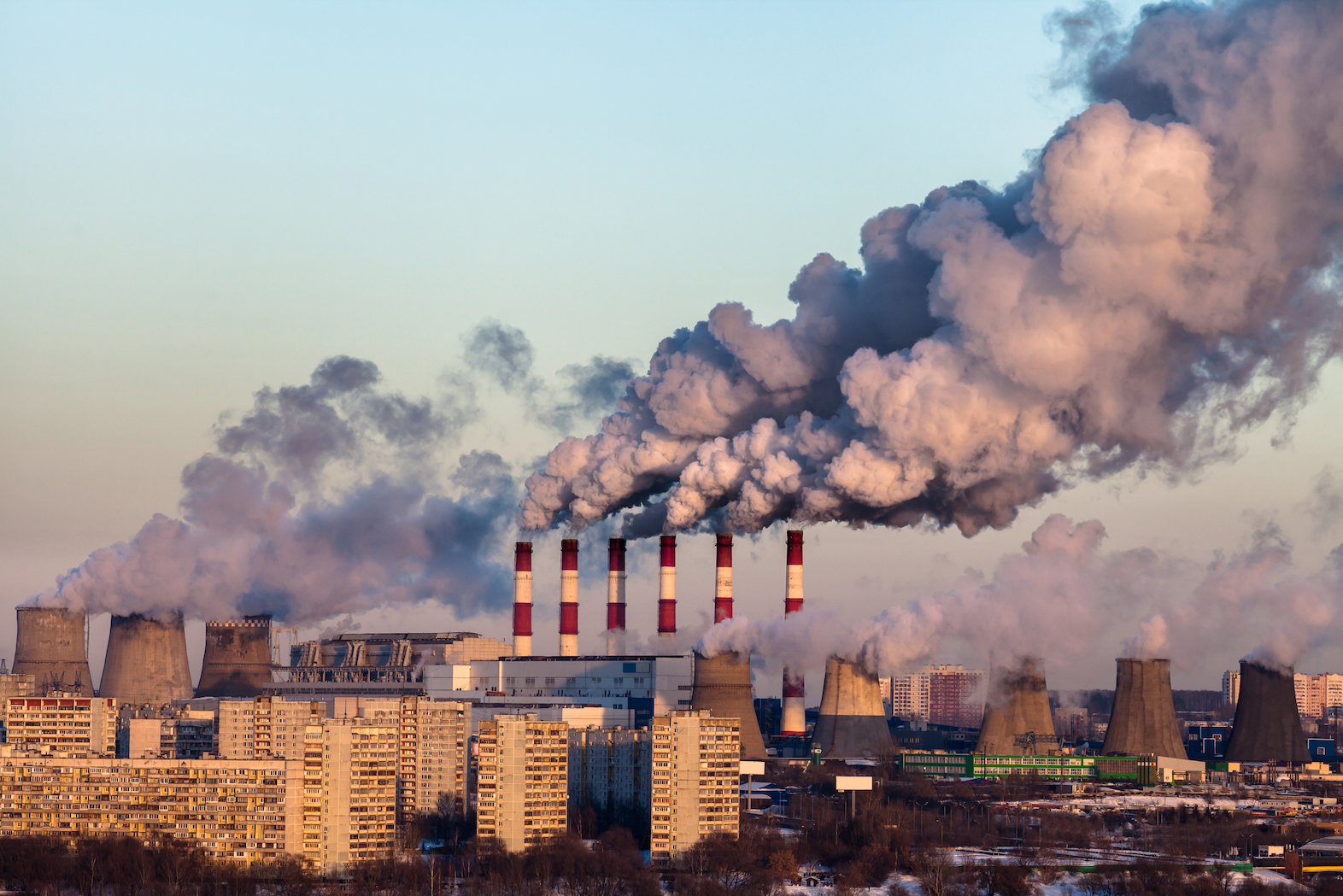
The density of urban infrastructure plays a critical role in trapping pollutants, creating localized “hotspots” where allergy sufferers are most at risk. The UPM research highlights that cities with high traffic volume experience higher concentrations of nitrogen oxides, which are primary combustion byproducts. These pollutants create a feedback loop: as the climate warms and urban areas expand, the pollen season lengthens, and the interaction with urban pollutants becomes more frequent.
Public health data provided by the World Health Organization (WHO) confirms that ambient air pollution is a significant risk factor for non-communicable respiratory diseases. While pollen is a natural biological event, the modification of these grains by man-made pollution is an anthropogenic health challenge. For residents of major metropolitan areas, this shift necessitates a new approach to managing seasonal allergies, moving beyond simple antihistamine use toward more comprehensive environmental awareness.
Managing Allergies in a Polluted Environment
For those living in high-traffic or industrial areas, clinical guidance suggests several strategies to mitigate exposure. Experts recommend monitoring local air quality indices (AQI) alongside traditional pollen forecasts. On days when both pollutant levels and pollen counts are high, the risk of a severe allergic event increases significantly.
- Monitor Local Alerts: Use official air quality monitoring tools to identify days with high particulate matter (PM2.5) concentrations.
- Strategic Timing: Avoid outdoor exercise during peak traffic hours, as this is when NO2 levels are typically at their highest, maximizing the risk of inhaling modified pollen.
- Indoor Filtration: Utilize high-efficiency particulate air (HEPA) filters in residential or office spaces to remove both fine pollutants and pollen allergens from the air.
- Consultation: Individuals with existing respiratory conditions should consult an allergist to discuss immunotherapy or updated medication protocols tailored to urban environmental risks.
Future Directions and Public Policy
The link between air quality and respiratory health is increasingly central to European urban planning policy. The European Commission’s air quality standards are under constant review to address the health impacts of fine particulate matter. As research continues to refine the understanding of how pollutants interact with biological allergens, public health officials are expected to integrate these findings into future urban design, including the expansion of green spaces and the reduction of combustion-based traffic in city centers.
The next phase of this research will likely focus on long-term longitudinal studies to determine if reduced emission zones lead to a measurable decrease in the clinical severity of pollen-related hospital admissions. Ongoing updates regarding these findings will be provided by local health authorities as new data becomes available. We encourage our readers to share their experiences with seasonal allergies in urban environments and join the conversation in the comments section below.
Worth a look
- Ex-INAME Officials Investigated for Pharmaceutical Control Irregularities
- Heart Failure Medications Protect Heart Function During Cancer Therapy
- 3D DNA mapping in rare immune cells reveals new genes linked with autoimmune disease risk (archyde.com)
- Chipotle Investigated Over Salmonella Outbreak Linked to Jalapeño Peppers (time.news)