
NASA has not announced an European astronaut as the pilot for the Artemis III lunar landing mission, despite recent reports circulating in international media. While international collaboration remains a cornerstone of the Artemis program through the Artemis Accords, the four-person crew for the mission—which aims to return humans to the lunar surface—was officially named by NASA in April 2023, and the selection does not include a European astronaut as the mission pilot.
The crew assigned to Artemis II, the first crewed mission to orbit the Moon in over 50 years, consists of NASA astronauts Reid Wiseman, Victor Glover, and Christina Koch, alongside Canadian Space Agency (CSA) astronaut Jeremy Hansen, according to official NASA mission records. Artemis III, the subsequent mission intended to land astronauts on the lunar surface, has not yet had its specific crew manifest finalized beyond the broader Artemis team pool. The inclusion of international partners in future lunar landings is a stated goal of the program, but current confirmed assignments focus on the upcoming orbital flight.
Understanding the Artemis III Mission Architecture
The Artemis III mission represents a complex integration of government-led spaceflight and commercial partnerships. NASA has contracted SpaceX to provide the Human Landing System (HLS) for the mission, utilizing a modified version of the Starship vehicle. According to NASA’s official mission documentation, the objective is to land the first woman and the first person of color on the Moon near the lunar South Pole. The timeline for this mission remains subject to the successful development and testing of both the Space Launch System (SLS) rocket and the HLS.
Recent reports regarding potential crew changes or European participation appear to conflate the broader Artemis program’s international nature with the specific, already-announced flight assignments. The European Space Agency (ESA) maintains a robust partnership with NASA, contributing critical hardware such as the European Service Module (ESM) for the Orion spacecraft. As noted by the European Space Agency, these contributions grant European astronauts opportunities for future lunar missions, though specific flight assignments for landing missions are determined through separate, mission-specific negotiations between NASA and its international partners.
Commercial Partnerships and Technical Milestones
The development of the Artemis program relies heavily on private sector innovation, specifically regarding the launch vehicles and lunar landers. SpaceX’s Starship and Blue Origin’s Blue Moon lander are central to the agency’s long-term lunar surface operations. According to NASA’s 2023 contract announcement, Blue Origin was selected as a second provider for lunar landing services, aimed at increasing competition and redundancy for future missions beyond Artemis III. These commercial developments are frequently monitored by industry analysts for impacts on mission timelines.
Technical challenges, including engine testing and orbital refueling demonstrations, remain the primary factors influencing the schedule. While industry outlets have reported on the testing progress of vehicles like the New Glenn rocket and Starship, these are separate from the internal crew selection processes managed by NASA’s Astronaut Office. Public discourse regarding these missions often reflects the high level of interest in space exploration, but official updates provided directly by the agency remain the only verified source for crew status and mission objectives.
Current Status of International Cooperation
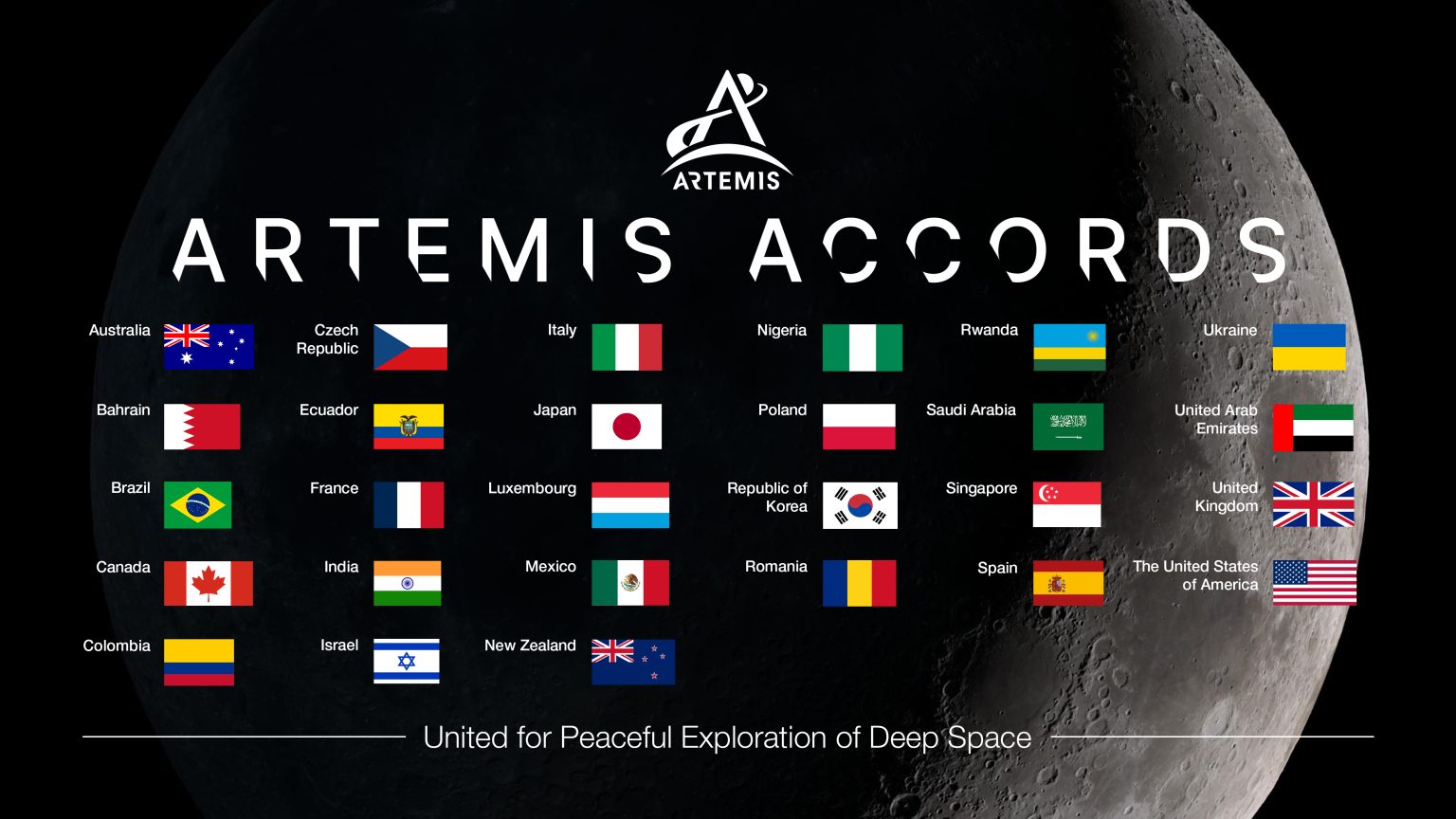
The Artemis Accords, a non-binding set of principles for cooperation in the civil exploration and use of the Moon, Mars, and other celestial bodies, have been signed by over 40 nations, as tracked by the U.S. Department of State. This framework facilitates the collaborative effort required for deep space exploration. While the Accords establish a foundation for international participation, they do not dictate the specific crew composition for individual NASA-led missions, which remain under the purview of the U.S. government.
For readers tracking the progress of the Artemis program, NASA provides regular updates through its official newsroom and social media channels. The agency has emphasized that while the Artemis II crew is set, the decision-making process for the Artemis III landing crew will be announced at a later date, closer to the projected mission window. Any claims regarding specific pilots or international crew members that have not been issued via official NASA press releases should be viewed as unverified.
The next major milestone for the program is the launch of Artemis II, which is currently scheduled to test the Orion spacecraft’s life support and navigation systems with a crew on board. Updates regarding mission readiness, hardware testing, and future crew announcements will be posted to the official NASA Artemis portal. Please share your thoughts on the future of international lunar exploration in the comments section below.