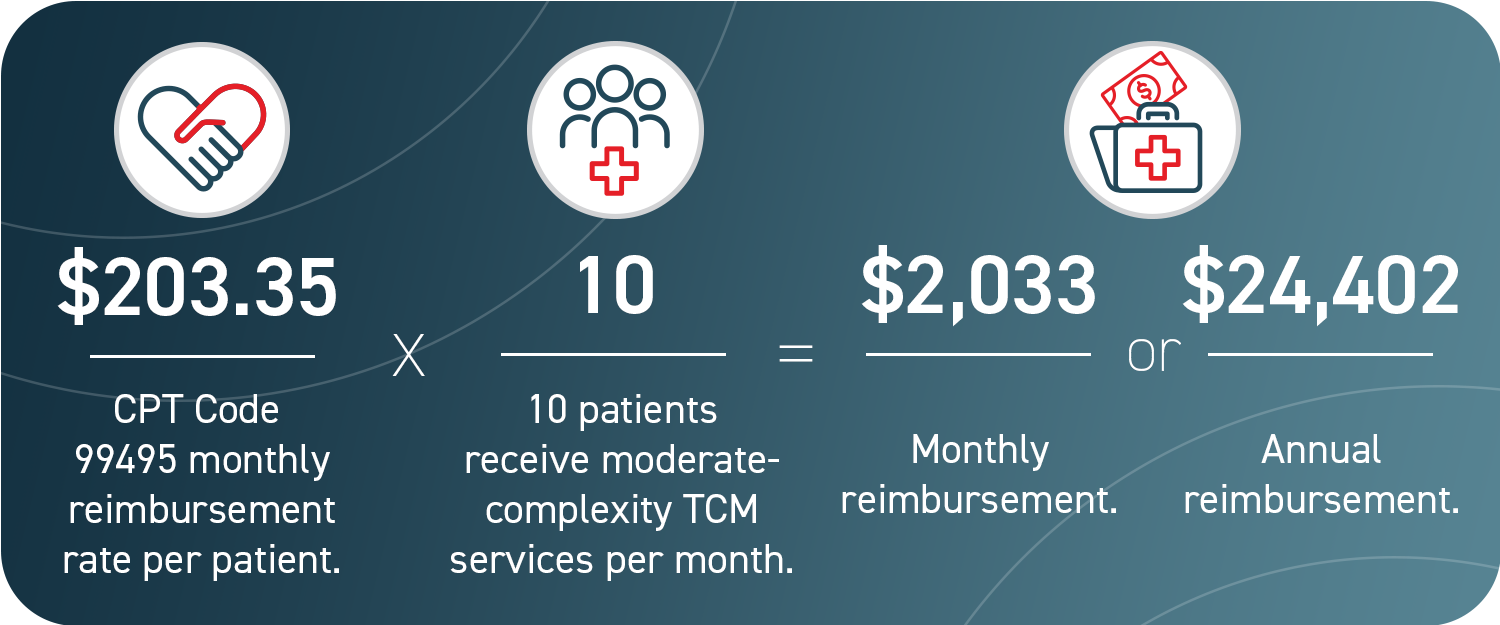
Health economics serves as a primary driver for medical technology growth by demonstrating how innovative devices reduce the total cost of patient care, moving beyond simple reimbursement models. As hospitals and health systems shift toward value-based care, medtech developers increasingly must prove that their products deliver long-term economic benefits—such as preventing readmissions—to secure both clinical adoption and investor support.
For medical technology companies, commercialization strategies now require a sophisticated understanding of how their devices influence the full spectrum of a patient’s journey. According to industry analysis, relying solely on existing Current Procedural Terminology (CPT) or Medicare Severity Diagnosis Related Group (MS-DRG) codes often fails to capture the comprehensive value a new technology brings to a healthcare institution. By mapping the true cost of care from initial admission through long-term follow-up, firms can better align their offerings with the financial incentives currently promoted by the Centers for Medicare & Medicaid Services (CMS).
Shifting from Transactional to Value-Based Reimbursement
The traditional model of medical technology reimbursement focused heavily on individual procedural payments. However, the rise of value-based care initiatives has forced a change in how hospitals evaluate new equipment and software. Under these arrangements, providers are often held accountable for total patient outcomes and the costs associated with those outcomes over a defined period. Consequently, hospital administrators are prioritizing technologies that demonstrate a clear reduction in readmission rates and complications, as these metrics directly impact institutional revenue under various CMS quality incentive programs.
Betty Tsai, President of Cardiology Services International, emphasizes that companies must articulate the economic value of their technology to compete effectively in today’s market. By focusing on the longitudinal cost of a patient journey, developers can highlight how a specific intervention lowers the burden of chronic disease management. This approach is essential for gaining traction with hospital procurement committees that are increasingly focused on the intersection of clinical efficacy and institutional financial health.
Alternative Pathways for Market Access
Navigating the complex landscape of healthcare finance requires medtech startups to look beyond standard billing codes. The CMS provides specific mechanisms, such as the New Technology Add-on Payment (NTAP) program, which is designed to support the adoption of innovative technologies that represent a substantial clinical improvement. To qualify for such pathways, companies must provide rigorous data showing that their products offer a significant advantage over existing standards of care, often necessitating detailed economic impact studies alongside clinical trials.
The Centers for Medicare & Medicaid Services (CMS) outlines specific criteria for NTAP eligibility, requiring that the technology be new, represent a substantial clinical improvement, and have costs that exceed the standard DRG payment threshold. Demonstrating this value is not merely a regulatory exercise; it is a fundamental component of proving market viability. Investors and hospital systems alike now demand evidence that a new technology can either generate cost savings or improve performance metrics that trigger incentive payments, making health economics an essential component of the business development process.
The Role of Economic Evidence in Investor Relations
Investors are increasingly scrutinizing the health economic data provided by medtech firms before committing capital. A product that performs well in a clinical trial but lacks a clear path to reimbursement or cost-saving potential faces significant hurdles in scaling. Tsai notes that companies capable of bridging the gap between clinical outcomes and economic efficiency are markedly more attractive to stakeholders. This requires a multidisciplinary strategy that integrates clinical research with health economics and outcomes research (HEOR) early in the development lifecycle.

The industry continues to evolve as data analytics become more sophisticated, allowing companies to better track the performance of their technologies in real-world settings. As providers gain access to more granular data on patient outcomes, the pressure to prove economic value will likely intensify. For developers, the next phase of growth involves maintaining transparency in how their technologies impact hospital balance sheets, ensuring that clinical innovation remains tethered to financial sustainability.
Interested parties can follow updates and industry insights from leaders in the field, such as Betty Tsai via her professional profile on LinkedIn. As CMS policies regarding quality-based payments continue to fluctuate, staying informed on the latest regulatory filings and reimbursement guidance remains critical for all participants in the medtech sector.
Readers are encouraged to share their experiences with value-based procurement or join the discussion in the comments section below. For ongoing updates on medical policy and innovation, stay tuned to the World Today Journal.
Related reading
- Chronic Eosinophilic Pneumonia in a 16-Year-Old Patient: A Case Study
- Listeria Outbreak 2024: 11 Infected Across Four States, CDC Reports
- August 2026 Sky: Sturgeon Moon, Partial Lunar and Total Solar Eclipses (time.news)
- Scientists and Volunteers to Study August 12, 2026 Total Solar Eclipse (archyworldys.com)