
Rapid evolution within plant populations may provide a critical defense against extreme drought, yet experts warn that this natural mechanism is largely absent in many of the world’s most vital agricultural crops. New research published in the journal Science suggests that while wild species like Mimulus cardinalis—the scarlet monkeyflower—can adapt to shifting environmental conditions, their ability to survive relies heavily on existing genetic diversity. For global agriculture, where crops are often bred for uniformity rather than resilience, this lack of genetic variation presents a significant vulnerability to a warming climate.
As the Editor of Health at World Today Journal, I have followed how climate-driven shifts in agriculture impact not only global food security but also the long-term stability of specialized crops. The study, led by researchers at the University of British Columbia, highlights a precarious reality: the speed at which a species can recover from climate-related stress is directly tied to its pre-existing genetic “lifeline.” For wine grapes, a crop characterized by low genetic diversity due to centuries of clonal propagation, these findings underscore the urgent need for adaptive strategies in viticulture.
The Genetic Basis of Drought Resilience
The ability of a plant population to bounce back from an extreme weather event is not merely a matter of chance; it is a function of evolutionary potential. According to the research findings published in Science, the survival of Mimulus cardinalis populations after severe drought was explicitly linked to the presence of adaptive genetic variants that existed before the crisis occurred. This process, known as rapid evolution, allows a population to shift its genetic composition within a few generations to favor individuals better suited to drier conditions.
However, the researchers note a critical caveat: this evolutionary rescue is not universal. Species that possess low genetic diversity or those with longer generation times—such as trees or perennial shrubs—are far less likely to adapt quickly enough to keep pace with the current rate of climate change. This creates a “bottleneck” effect, where the loss of genetic variability leaves a population unable to respond to the next environmental shock, eventually leading to local extinction.
Vulnerability in Global Viticulture
Wine grapes serve as a primary example of this agricultural vulnerability. Unlike wild plant populations that maintain a broad, diverse gene pool, most commercial grapevines are clones of a limited number of high-performing varieties. This lack of genetic breadth is intentional, as it ensures consistency in flavor, yield, and harvest timing. Yet, this same consistency is a liability in a world of erratic weather patterns and prolonged droughts.
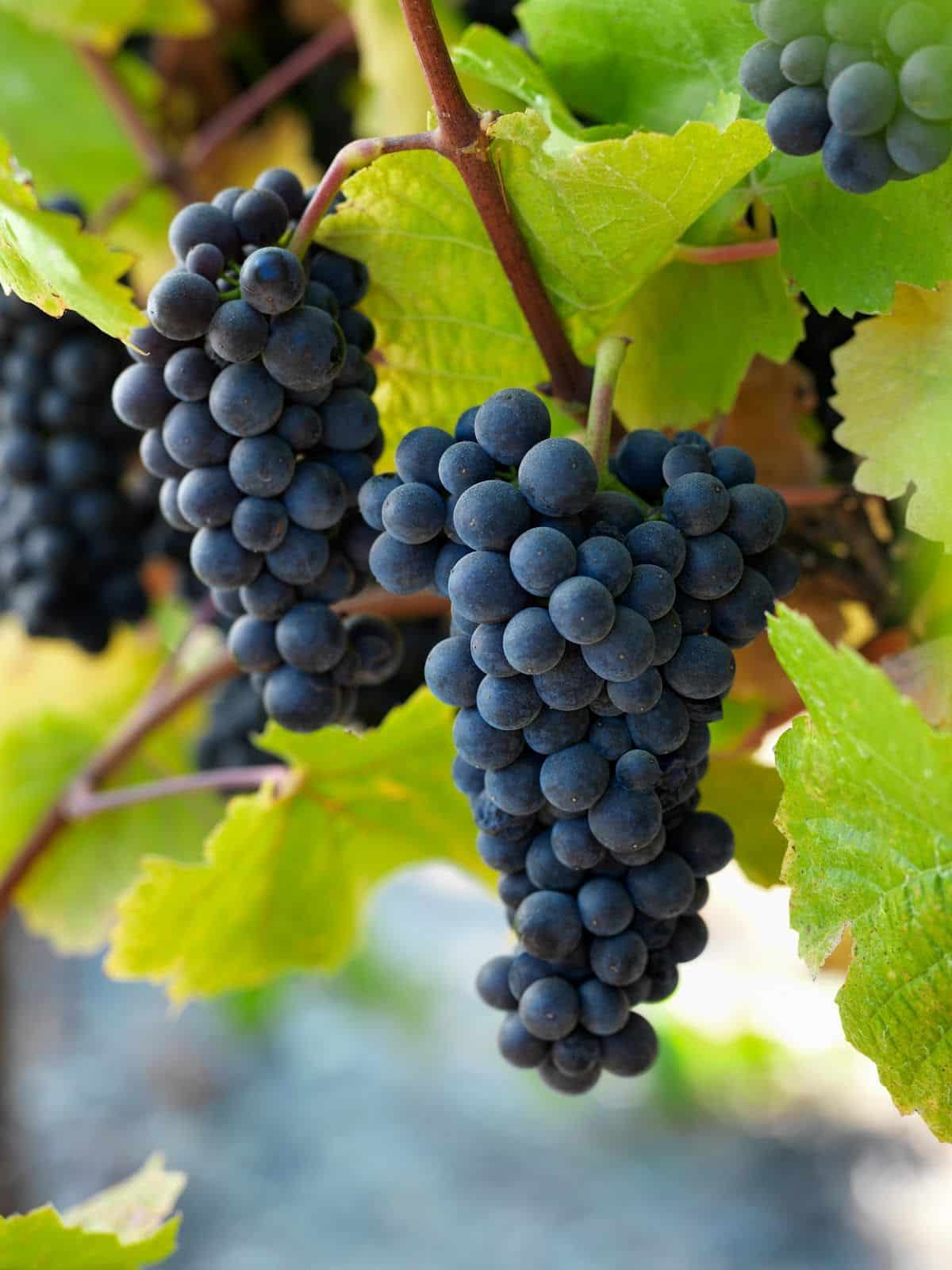
The Intergovernmental Panel on Climate Change (IPCC) has consistently identified agriculture as one of the sectors most sensitive to changing precipitation levels. In regions such as the Mediterranean, California, and parts of Australia, viticulturists are already reporting shifts in harvest dates and fruit chemistry due to heat stress and water scarcity. Because many of the world’s most popular wine grapes—such as Pinot Noir or Chardonnay—are genetically uniform, they lack the “evolutionary toolkit” to adapt to these conditions on their own. Instead, producers are forced to rely on external interventions, such as irrigation or the development of new rootstocks, which are increasingly costly and resource-intensive.
Bridging the Gap Between Wild and Cultivated
For agriculture to survive the next century, the lessons from wild plant biology must be integrated into modern breeding programs. The study indicates that the “lifeline” provided by genetic diversity is the most effective buffer against climate instability. This suggests that future agricultural policy may need to prioritize the preservation of wild crop relatives and the diversification of commercial cultivars.
According to the Food and Agriculture Organization (FAO), the loss of agricultural biodiversity is a recognized global threat to food security. By moving away from the extreme monocultures that have defined 20th-century farming, researchers and growers may be able to reintroduce the genetic resilience necessary to withstand the extreme droughts expected in the coming decades. This shift requires a fundamental change in how we value “uniformity” in our food systems, potentially prioritizing long-term survival over short-term consistency.
What Happens Next for Climate-Resilient Farming
The scientific community continues to monitor how plant populations respond to extreme weather events, with further research expected to explore the intersection of epigenetics and climate adaptation. As these studies evolve, the data will likely influence international agricultural standards and government-backed research grants aimed at climate-proofing the food supply. For the wine industry, the next steps involve ongoing trials of drought-tolerant rootstocks and the mapping of grapevine genomes to identify potential traits that could be reintroduced through selective breeding.
We will continue to provide updates as new research on plant resilience and agricultural policy becomes available. If you have insights into how your local agricultural sectors are adapting to these challenges, or if you are interested in the latest developments in plant genetics, please share your thoughts in the comments section below.