In recent years, the geopolitical discourse surrounding the potential for military confrontation between the United States and Iran has frequently spiked during periods of heightened diplomatic tension. Analysts and observers often track the rhetoric of former U.S. officials and regional leaders to gauge the likelihood of kinetic action, though official U.S. policy has consistently emphasized a preference for economic pressure and diplomatic isolation over direct military engagement. These tensions, which have fluctuated significantly since the 2018 withdrawal from the Joint Comprehensive Plan of Action (JCPOA), remain a focal point for international observers monitoring stability in the Persian Gulf, according to reports from the Council on Foreign Relations.
The concept of “maximum pressure,” a term widely associated with U.S. foreign policy during the Trump administration, involved the implementation of sweeping economic sanctions designed to limit Iran’s revenue from oil exports and restrict its access to international financial systems. As detailed by the U.S. Department of the Treasury, these measures were intended to compel Tehran to renegotiate the terms of its nuclear and ballistic missile programs. While rhetoric regarding potential military strikes has surfaced in media reports periodically, the U.S. government has maintained that its primary objective is to alter Iranian state behavior through non-military, systemic economic pressure.
Evaluating the Rhetoric of Military Confrontation
Speculation regarding potential military operations often stems from public statements made by administration officials, which are frequently subject to intense scrutiny by regional analysts. For instance, discussions surrounding “red lines”—the thresholds at which a nation might initiate force—have been a recurring theme in Washington’s policy toward Tehran. However, historical precedent indicates that such rhetoric is frequently balanced against the high costs of regional conflict, which experts suggest could disrupt global energy markets and involve a wide array of proxy actors, as noted by researchers at the Center for Strategic and International Studies (CSIS).
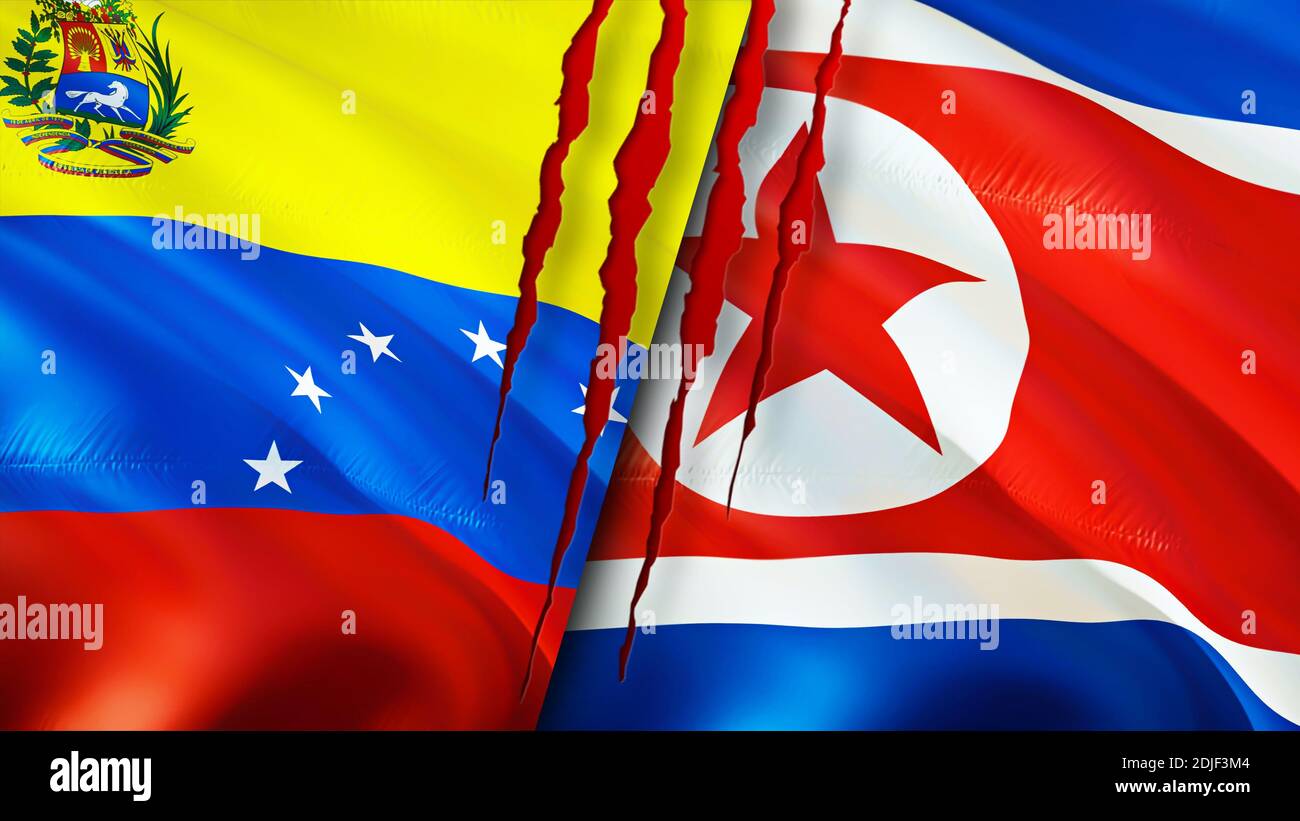
The comparison of the Iranian situation to other regional crises, such as those involving Venezuela or North Korea, often highlights the U.S. preference for “crippling sanctions” over direct intervention. In the case of Venezuela, the U.S. utilized a strategy of recognizing opposition leadership and imposing targeted financial restrictions to pressure the Maduro administration, a tactic that differs significantly from the military-heavy engagement models seen in earlier decades. This contrast in methodology underscores a strategic pivot toward economic statecraft, where the goal is to leverage financial instability to force political concessions, according to the Brookings Institution.
The Diplomatic Landscape and Potential for Negotiation
Despite persistent military posturing, the possibility of diplomatic backchannels has remained a subject of intense debate among policymakers. The question of whether Tehran and Washington might reach a new agreement often hinges on the willingness of both parties to compromise on key security demands. While some observers argue that the “maximum pressure” campaign leaves little room for traditional diplomacy, others point to previous instances where extreme tension preceded back-channel negotiations, as documented by archives from the U.S. Department of State.
The selection of a third-party mediator to facilitate discussions—or even to host a summit—has been a recurring logistical hurdle. While past reports have speculated on various nations serving as potential hosts for high-level talks, no formal agreement for a new summit has been announced by official diplomatic channels. The current environment remains defined by a lack of direct, high-level communication, leaving regional partners to navigate a landscape of uncertainty regarding the future of the 2015 nuclear framework.
Understanding the Impact of Economic Sanctions
The efficacy of economic sanctions remains the most significant variable in the ongoing U.S.-Iran standoff. By targeting specific sectors, including banking, shipping, and energy, the U.S. has effectively constrained the Iranian government’s ability to generate foreign currency reserves. According to data provided by the International Monetary Fund (IMF), these sanctions have contributed to significant inflationary pressures and a contraction in GDP growth within Iran, forcing the state to prioritize domestic economic survival over external expansionist policies.

For the average citizen, the impact of these policies is felt through the rising cost of imported goods and the devaluation of the national currency. Analysts at the Atlantic Council observe that while these measures have successfully limited the state’s resources, they have not yet resulted in the fundamental policy shifts sought by Washington. This stalemate continues to define the relationship, as both sides weigh the political cost of continued confrontation against the potential benefits of a negotiated settlement.
Future Developments and Official Updates
The trajectory of U.S.-Iran relations remains subject to shifting political mandates and the evolving security requirements of the Persian Gulf region. Observers should monitor official statements from the White House and the State Department for any shifts in policy regarding the JCPOA or the potential for new diplomatic initiatives. The next significant checkpoint for international policy will likely involve the upcoming cycles of the United Nations General Assembly, where global leaders typically address regional stability and the status of nuclear non-proliferation treaties, as tracked by the United Nations Office for Disarmament Affairs.

Readers interested in the most accurate, up-to-date information are encouraged to consult official government briefings and verified reports from major international news agencies to distinguish between political rhetoric and substantive policy shifts. We invite our readers to share their perspectives on these complex geopolitical developments in the comments section below.