
Final Fantasy VII Rebirth has officially arrived on the Nintendo Switch 2 platform, marking a significant expansion for Square Enix’s flagship role-playing title. Following its initial release on PlayStation 5 in early 2024, the title’s entry into the Japanese market for the next-generation Nintendo hardware on June 11, 2026, represents a strategic push by the publisher to tap into a broader install base. Sales data from the opening week indicates a strong market entry, though the title narrowly missed the top spot in the Japanese weekly retail charts.
For players and industry analysts alike, this release serves as a litmus test for how high-fidelity third-party titles perform on Nintendo’s latest hardware. The transition of the Cloud Strife-led saga to a portable-hybrid environment highlights advancements in hardware optimization and the growing viability of cross-platform strategies for major Japanese developers. According to industry tracking, the game’s debut performance aligns with expectations for a major franchise entry, even as it faces stiff competition from established local hits.
Market Performance and Retail Presence in Japan
In its first week of availability, Final Fantasy VII Rebirth secured a high position in the Japanese physical software sales charts. While early figures suggested a potential for the number one spot, the game ultimately landed in the runner-up position, trailing behind a major first-party Nintendo title. The performance underscores the continued demand for the Final Fantasy brand, which remains a cornerstone of the Japanese gaming industry.
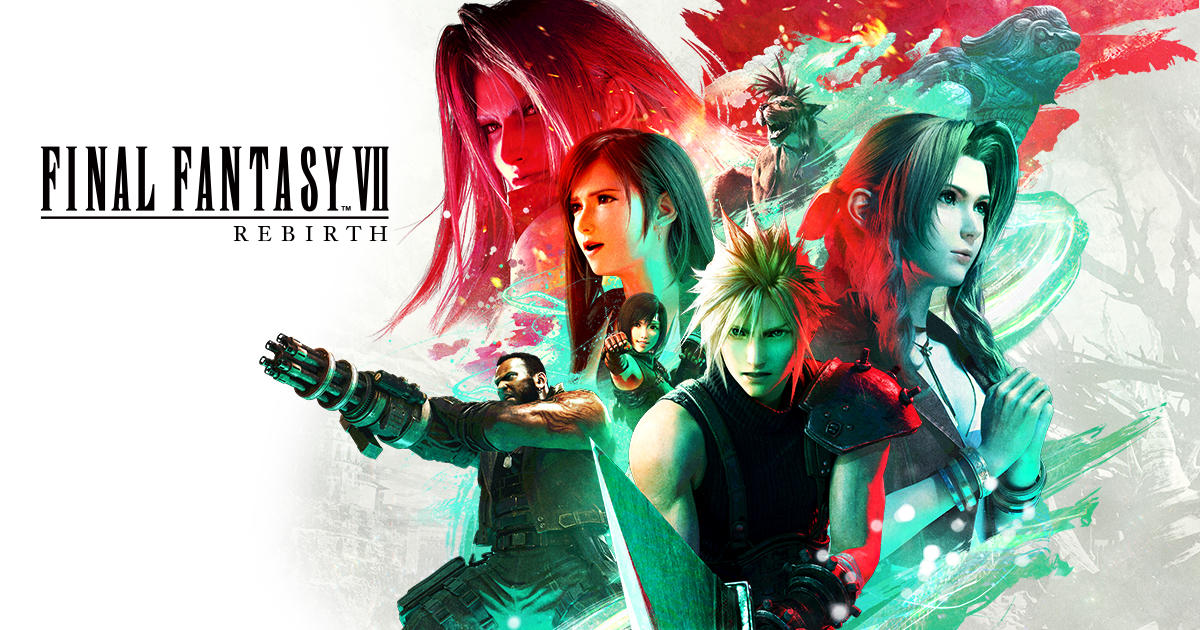
Retailers have reported steady interest, with physical copies moving quickly in urban centers like Tokyo and Osaka. The Famitsu weekly sales report, which serves as the primary benchmark for the Japanese physical market, highlights that the title’s conversion rate among Nintendo Switch 2 owners is consistent with historical trends for blockbuster RPGs. This data confirms that Square Enix’s decision to support the platform is yielding immediate, if competitive, commercial returns.
Technical Integration and Hardware Optimization
The arrival of Final Fantasy VII Rebirth on the Nintendo Switch 2 necessitated significant technical adjustments. Given the original title’s reliance on the high-speed I/O capabilities of the PlayStation 5, the port requires sophisticated resource management to maintain the game’s expansive world and fluid combat systems. The development team at Square Enix, in collaboration with Nintendo’s engineering partners, utilized hardware-specific features to ensure that the visual fidelity remained intact during both docked and handheld play.
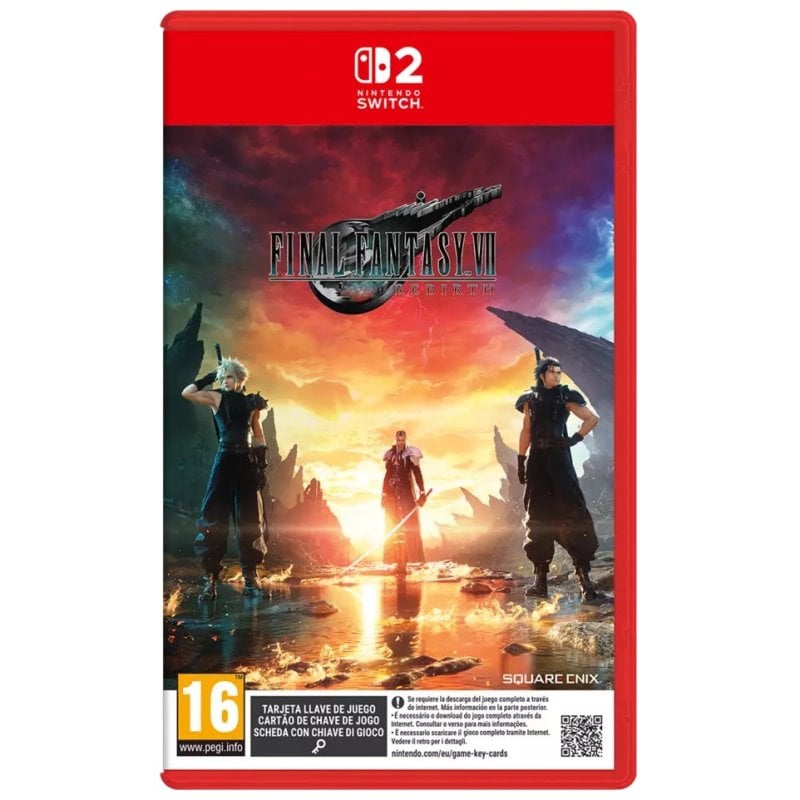
In addition to the Switch 2 release, the game has simultaneously expanded its reach to the Xbox ecosystem. This multi-platform strategy signifies a shift in Square Enix’s global distribution model, prioritizing accessibility over platform exclusivity. By utilizing the Switch 2’s updated chipset, the developers have managed to retain the core experience of the Rebirth chapter, ensuring that the transition between platforms does not compromise the narrative or gameplay integrity that fans expect from the series.
Broader Industry Implications for Square Enix
This release is part of a larger, ongoing effort by Square Enix to maximize the lifecycle of the Final Fantasy VII remake project. By diversifying the platforms available to players, the studio is effectively mitigating the risks associated with hardware-exclusive releases. Analysts note that this approach allows the company to reach a demographic that may have previously lacked access to the title, particularly within the Japanese market where portable gaming remains a dominant preference.

The move to include the Switch 2 in the release schedule also reflects the growing parity between current-generation consoles and Nintendo’s new hardware. As the industry moves away from rigid exclusivity, the success of titles like Rebirth on diverse hardware will likely influence future development cycles. For the consumer, this means that high-end, graphics-intensive experiences are no longer tethered to a single piece of hardware, a trend that is expected to continue throughout the 2026 fiscal year as reported in Square Enix’s latest financial filings.
Future Updates and Player Engagement
Looking ahead, Square Enix has scheduled a series of post-launch updates designed to refine performance and address minor stability issues identified by players during the first week of release. These updates are expected to be deployed via the Nintendo eShop, with the company encouraging users to monitor the official Square Enix support portal for patch notes and scheduling details.
As the market stabilizes, industry observers will be watching the long-term sales trajectory of the title. Sustained interest will depend on word-of-mouth and the effectiveness of the ongoing optimization patches. Readers are encouraged to share their experiences with the Switch 2 version of Final Fantasy VII Rebirth in the comments below, as we continue to track the evolving landscape of the gaming industry.
Worth a look