
TV Azteca Prepares for 2026 FIFA World Cup Media Competition in Mexico
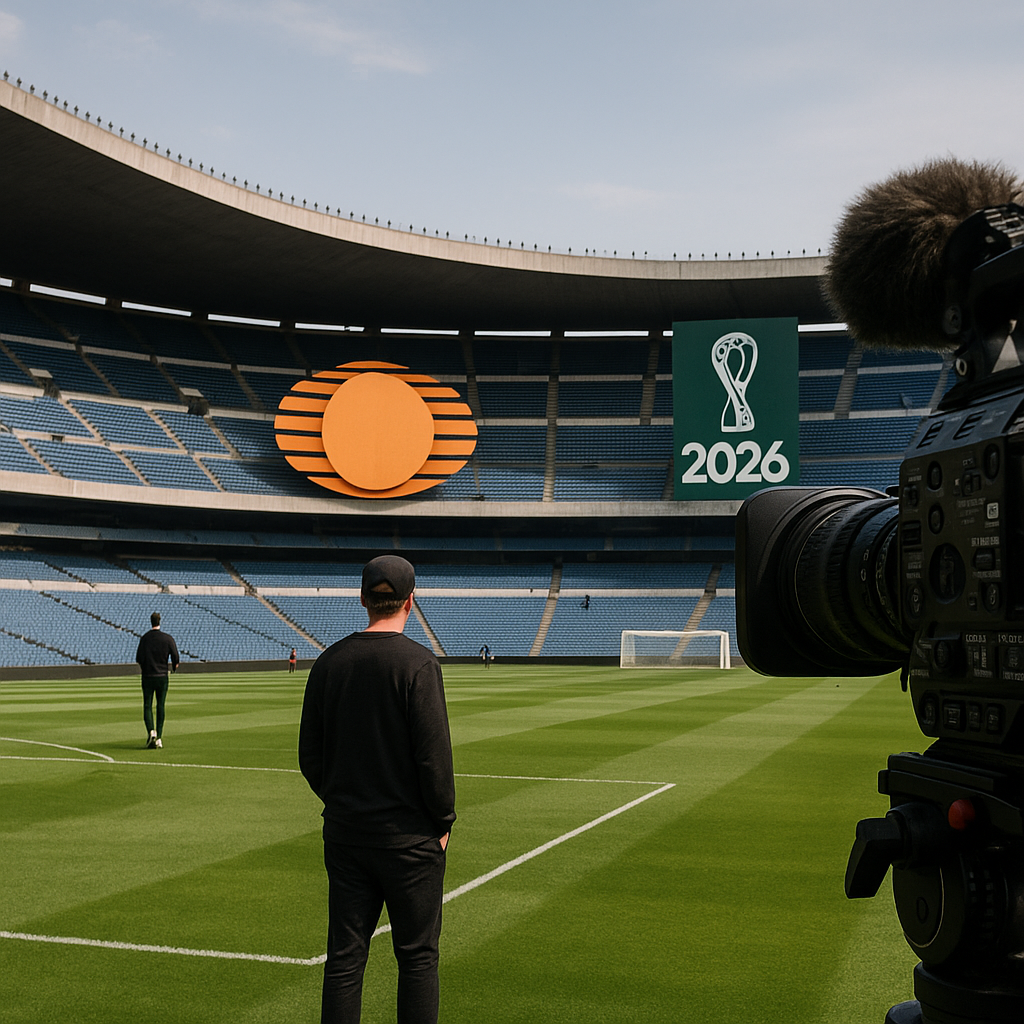
TV Azteca is intensifying its digital and sports media strategy ahead of the 2026 FIFA World Cup, as the broadcaster prepares to compete for dominance in a Mexican media market increasingly defined by streaming and high-stakes broadcasting rights. The tournament, which will be co-hosted by Mexico, the United States, and Canada, represents the largest commercial opportunity for Mexican broadcasters in decades.
As the 2026 FIFA World Cup approaches, the battle for viewership in Mexico is shifting from traditional terrestrial television to integrated digital platforms. While the specific broadcasting rights for the full tournament remain a subject of intense industry negotiation, major players like TV Azteca and Televisa are already restructuring their sports divisions to capture the massive audience expected when Mexico hosts matches in Mexico City, Guadalajara, and Monterrey.
The Stakes of the 2026 FIFA World Cup in Mexico
The 2026 tournament marks the first time the FIFA World Cup will feature 48 teams, expanding the scale of the event significantly compared to previous iterations. For Mexico, the tournament is not merely a sporting event but a major economic and cultural milestone. According to FIFA’s official hosting details, the expansion of the tournament will require unprecedented levels of media coverage and infrastructure.
The impact on the Mexican media landscape is twofold. First, the sheer volume of matches increases the demand for live broadcasting. Second, the geographic spread of the tournament—with matches occurring across North America—requires broadcasters to maintain robust international feed capabilities. For TV Azteca, securing a significant portion of this coverage is essential to maintaining its position as a primary destination for Mexican sports fans.
TV Azteca vs. Televisa: The Fight for Viewer Dominance
The competition between Mexico’s two media giants, TV Azteca and Televisa, has entered a new era characterized by “streaming wars.” Historically, these companies competed for dominance through traditional television ratings. However, the rise of platforms like Televisa’s ViX has forced TV Azteca to accelerate its own digital transformation to ensure it does not lose the younger, mobile-first demographic during the 2026 tournament.

While Televisa has historically held significant sway over major FIFA rights in Mexico, the competitive landscape is fluid. Industry analysts suggest that the 2026 cycle will likely see a split in how content is delivered, with some matches remaining on free-to-air television to maximize reach, while premium or expanded coverage is moved behind digital paywalls.
| Feature | TV Azteca Approach | Televisa/ViX Approach |
|---|---|---|
| Primary Focus | Digital integration and multi-platform sports news | Aggressive expansion of the ViX streaming ecosystem |
| Audience Target | Broad terrestrial reach with digital supplements | Subscription-based premium sports content |
| Content Delivery | Hybrid model (TV + Social/Digital) | Streaming-first for exclusive/high-demand events |
The Shift Toward Digital and Streaming Platforms
The transition toward digital consumption is the most critical factor for TV Azteca’s 2026 preparations. Fans are no longer tethered to living room televisions; they expect to follow matches via smartphones, tablets, and smart devices. This shift necessitates significant investment in low-latency streaming technology and interactive digital features, such as real-time statistics and social media integration.
This digital pivot is driven by changing consumer habits in Mexico, where mobile internet penetration has surged. Broadcasters are now focusing on “second screen” experiences, where viewers watch the match on TV while interacting with live data or commentary on a mobile device. For TV Azteca, the success of its 2026 campaign will likely depend on how seamlessly it can merge these two experiences.
Impact on Mexican Sports Consumers
For the average Mexican fan, the competition between broadcasters could result in both increased variety and higher costs. While more competition often leads to better production quality and more diverse commentary, the move toward subscription-based streaming models means that accessing every match may require multiple digital subscriptions.
Consumers can expect a landscape where “free” coverage is limited to high-profile matches, while deep-dive analysis, multi-angle views, and exclusive player access are reserved for premium digital tiers. This evolution mirrors global trends in sports media seen in the English Premier League and the NFL, where digital rights are becoming the primary driver of revenue.
As the tournament approaches, the next major developments will come from official FIFA announcements regarding the final allocation of broadcasting packages for the North American region. Industry observers are closely watching for any shifts in how rights are bundled for the Mexican market.
What do you think about the move toward streaming for major soccer tournaments? Will you pay for a digital subscription to watch the 2026 World Cup, or do you prefer traditional TV? Let us know in the comments below and share this article with your fellow fans.