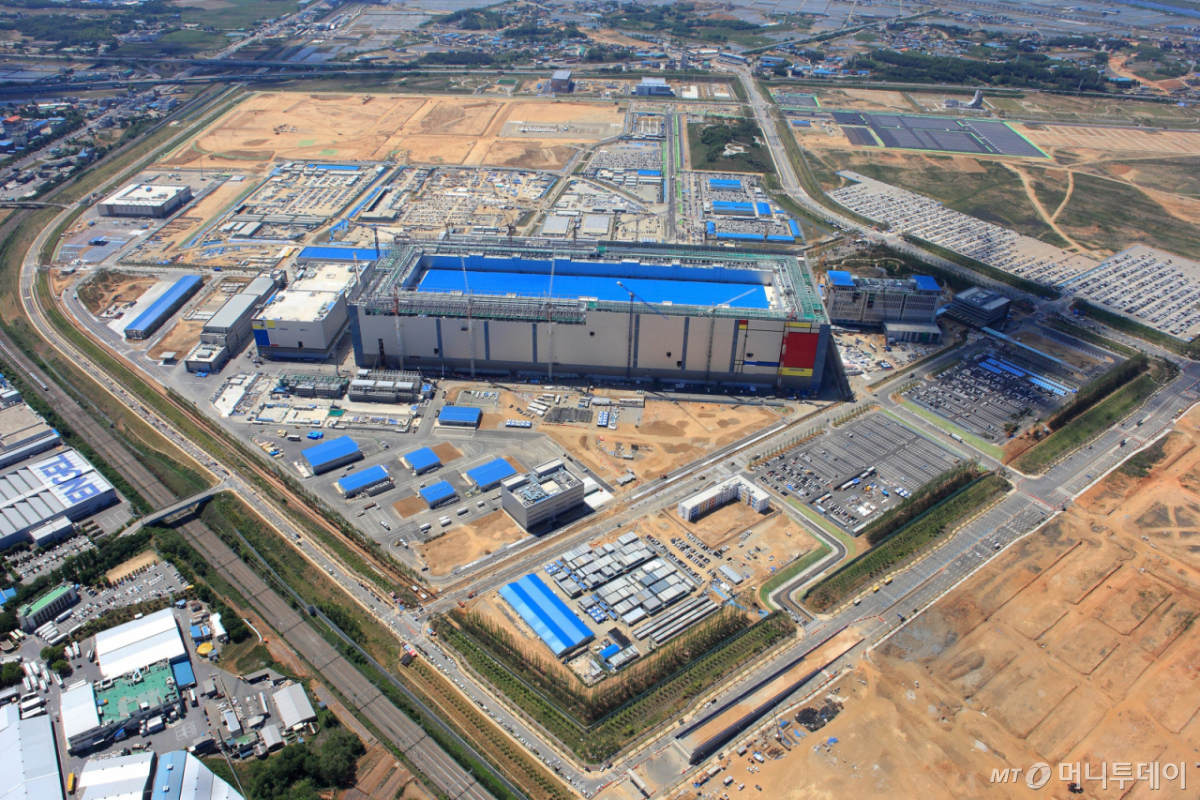
Google is expected to utilize Samsung Electronics to manufacture portions of its 10th-generation Tensor AI chips, according to a report from The Information. This potential production deal provides a significant boost to Samsung’s foundry division as the company attempts to regain market share in the advanced semiconductor sector from its primary rival, TSMC.
The reported partnership signals a continuing, albeit evolving, relationship between Google and Samsung. While there had been industry speculation regarding Google potentially shifting its custom silicon production to TSMC to improve power efficiency and performance, the latest reports suggest Samsung remains a critical manufacturing partner for Google’s mobile AI hardware.
Why is Google expected to use Samsung for its 10th-generation Tensor chips?
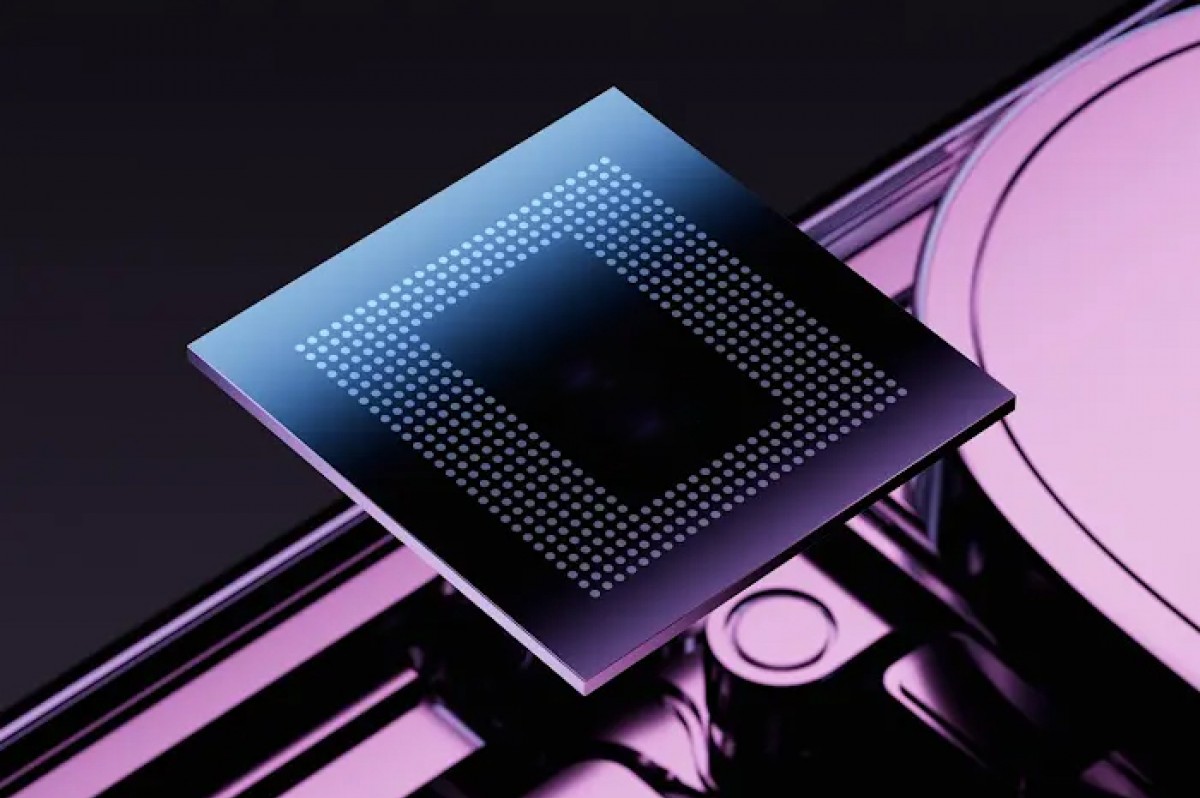
The decision to continue manufacturing Tensor processors with Samsung is tied to the long-standing architectural synergy between the two companies. Since the introduction of the Tensor chip in the Pixel 6 series, Google has relied on Samsung Foundry to bring its custom-designed silicon to market. This partnership allows Google to integrate specific Neural Processing Unit (NPU) designs that are optimized for Google’s AI models, such as Gemini, directly into the mobile ecosystem.
According to The Information, the 10th-generation Tensor chip will represent a major milestone in Google’s hardware roadmap. By leveraging Samsung’s manufacturing capabilities, Google can maintain a consistent supply chain for its flagship Pixel devices. This stability is essential as Google accelerates the deployment of on-device generative AI features, which require high-performance, specialized silicon to process complex tasks without relying entirely on the cloud.
Industry analysts note that for Google, the priority is not just raw processing power, but the ability to execute specific AI workloads efficiently. Samsung’s ability to manufacture chips that meet Google’s specific design requirements for mobile AI integration makes them a natural choice for the upcoming Tensor iterations.
How does this deal affect the Samsung vs. TSMC foundry rivalry?
The reports of Samsung securing Google’s business arrive at a critical juncture in the global semiconductor landscape. The competition between Samsung Foundry and Taiwan Semiconductor Manufacturing Company (TSMC) has intensified as the demand for advanced AI chips skyrockets. While TSMC currently holds a dominant position in the high-end foundry market, Samsung is aggressively pursuing next-generation manufacturing technologies to close the gap.
Samsung has centered its competitive strategy on Gate-All-Around (GAA) transistor architecture. Unlike the FinFET (Fin Field-Effect Transistor) technology used by TSMC for several generations, GAA allows for better control of electrical current, which can lead to improved power efficiency and higher performance at smaller process nodes. Successfully manufacturing Google’s 10th-generation Tensor chip would serve as a high-profile validation of Samsung’s technical capabilities in the eyes of other potential big-tech clients.
The stakes for both companies are high. Large-scale customers like Google, Apple, and Nvidia dictate the direction of foundry innovation. For Samsung, securing a contract for a high-volume product like the Tensor chip provides the necessary scale to refine its 3nm and 2nm processes. For TSMC, maintaining its lead requires continuous breakthroughs in density and yield to prevent customers like Google from diversifying their manufacturing partners.
Foundry Market Dynamics
- TSMC: Currently the market leader, holding the majority of advanced node production for companies like Apple and Nvidia.
- Samsung Foundry: The primary challenger, utilizing GAA architecture to differentiate its performance and efficiency metrics.
- Strategic Importance: High-volume contracts from companies like Google provide the capital and technical feedback necessary to iterate on semiconductor nodes.
What role does custom silicon play in Google’s AI strategy?
Google’s move toward custom silicon is part of a broader industry trend where major technology firms design their own hardware to optimize software performance. This strategy, often referred to as vertical integration, allows companies to bypass the limitations of general-purpose processors found in standard mobile chipsets.
For Google, the Tensor chip is the bridge between its sophisticated AI software—including its Gemini large language models—and the physical hardware used by consumers. By controlling the silicon, Google can optimize the NPU specifically for tasks like real-time translation, advanced photo processing, and voice recognition. This level of optimization is difficult to achieve when using off-the-shelf chips from vendors like Qualcomm.
This hardware-software co-design is becoming the standard for the AI era. Just as Google uses Tensor Processing Units (TPUs) in its data centers to train and run massive AI models, the Tensor chip in Pixel phones brings a version of that power to the user’s pocket. This enables more “on-device” AI, which improves privacy by keeping data on the phone and reduces latency by eliminating the need for a round-trip to a cloud server.
Comparison: Google’s Silicon Evolution
The following table illustrates the shift in Google’s hardware approach as it transitions from standard mobile processors to highly specialized AI silicon.
| Feature | Pre-Tensor Era (Pixel 1-5) | Tensor Era (Pixel 6-Present) |
|---|---|---|
| Chip Architecture | Standard Qualcomm Snapdragon | Custom Google Tensor (designed by Google) |
| Primary Focus | General-purpose mobile computing | AI-centric workloads and NPU performance |
| Manufacturing Partner | Third-party vendor (Qualcomm) | Samsung Foundry |
| AI Capability | Cloud-dependent processing | On-device generative AI integration |
This evolution demonstrates Google’s commitment to becoming a hardware-centric AI company. The shift from using generic processors to custom-designed silicon allows Google to define the performance boundaries of its mobile AI services.
The upcoming 10th-generation Tensor chip will likely be the most significant test of this strategy to date. As AI models grow in complexity, the pressure on the silicon to deliver higher “TOPS” (Tera Operations Per Second) while maintaining battery life will increase. Samsung’s ability to deliver on these requirements will determine whether Google can maintain its momentum in the mobile AI race.
The next major checkpoint for this development will be the official announcement of Google’s hardware roadmap and product launch schedule, typically expected in the latter half of the year. Industry observers will be looking for official confirmation regarding the specific process node and manufacturing partner for the next generation of Pixel devices.
What do you think about Google’s reliance on Samsung for its AI chips? Share your thoughts in the comments below and share this article with your network.
- The Bear at the Campsite: A New Perspective on Understanding the Big Picture
- James Webb Telescope: Are Dyson Spheres Real? New Findings Explained
- Google Pixel 11 Pro Teased: New Design and Pixel Glow Feature Revealed (archyde.com)
- Google Pixel 11 Pro Teaser Confirms New Dynamic Pixel Glow Lighting System (time.news)