
Diplomatic efforts to stabilize the volatile relationship between the United States and Iran have entered a period of intense scrutiny, as reports of a potential agreement to reopen the Strait of Hormuz and lift specific oil sanctions remain unconfirmed by official channels in Tehran. While claims of an impending breakthrough have circulated in international media, Iranian state media and government spokespeople have maintained that no final peace agreement has been reached, casting doubt on the timeline of any formal resolution.
The situation remains fluid, with international observers closely monitoring the strategic waterway—a critical artery for global energy markets—for any shift in maritime security posture. The uncertainty surrounding the proposed deal highlights the significant gap between the optimistic characterizations emerging from some Western political quarters and the more cautious, measured stance currently being projected from within the Iranian administration.
Status of the Proposed Iran-U.S. Deal
The core of the current diplomatic discourse centers on whether a tangible, signed agreement exists to de-escalate tensions that have characterized U.S.-Iran relations for decades. According to reports from the BBC, while there have been claims that a deal to end regional hostilities is near, officials in Tehran have explicitly stated that nothing has been finalized. This discrepancy has created a complex information environment where market participants and geopolitical analysts are attempting to distinguish between informal diplomatic signaling and concrete, binding policy shifts.
The Strait of Hormuz, through which approximately 20% of the world’s petroleum liquids pass, remains a focal point of these discussions, as reported by the U.S. Energy Information Administration. Any official agreement to reopen or guarantee safe passage through this chokepoint would carry immediate implications for global oil prices and supply chain stability. However, without a formal, publicly verified text or a joint statement from both Washington and Tehran, the status of such an agreement remains, at best, a subject of ongoing, high-stakes negotiation.
Impact of Oil Sanctions and Economic Pressure
Sanctions have long served as the primary tool of U.S. economic statecraft regarding Iran, specifically targeting the nation’s ability to export crude oil. The current reports suggest that a potential deal could involve the lifting of these restrictions in exchange for security guarantees. Historically, the imposition of these sanctions has significantly curtailed Iran’s oil revenue, leading to profound domestic economic strain, a reality documented in analyses by the Council on Foreign Relations.
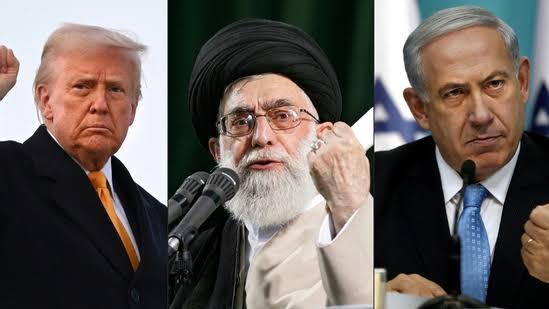
For the average Iranian citizen, the prospect of sanctions relief is often viewed through the lens of economic survival. As noted in recent reporting by the New York Times, there is a palpable sense of both fear and relief among the population. The daily reality of inflation and the devaluation of the national currency means that any movement toward ending economic isolation is monitored with intense interest, even as skepticism regarding the feasibility of a long-term deal remains high.
The Role of Diplomatic Signaling
The divergence in how this potential deal is framed—with some Western figures suggesting the war has effectively “ended” and Iranian officials maintaining that negotiations are ongoing—is a common feature of high-stakes international diplomacy. In the absence of a signed treaty or a public memorandum of understanding, these conflicting narratives serve to test domestic and international reactions.
Analysts often point to the “maximum pressure” campaign as a precedent for how the U.S. has previously sought to force policy changes in Tehran. Whether the current administration’s approach represents a shift toward a new diplomatic framework or a continuation of existing strategies is a question that remains unanswered by official government disclosures. For now, the global community is waiting for a formal, verifiable confirmation of any changes to existing sanctions regimes or maritime security protocols.
What Happens Next
The immediate future of these negotiations depends on whether high-level diplomatic backchannels can produce a document that satisfies the security requirements of both Washington and Tehran. The next confirmed checkpoint will be the release of any official joint statement from the respective foreign ministries or a formal notification to international regulatory bodies regarding changes to sanctions enforcement, as mandated by existing U.S. Department of the Treasury guidelines.
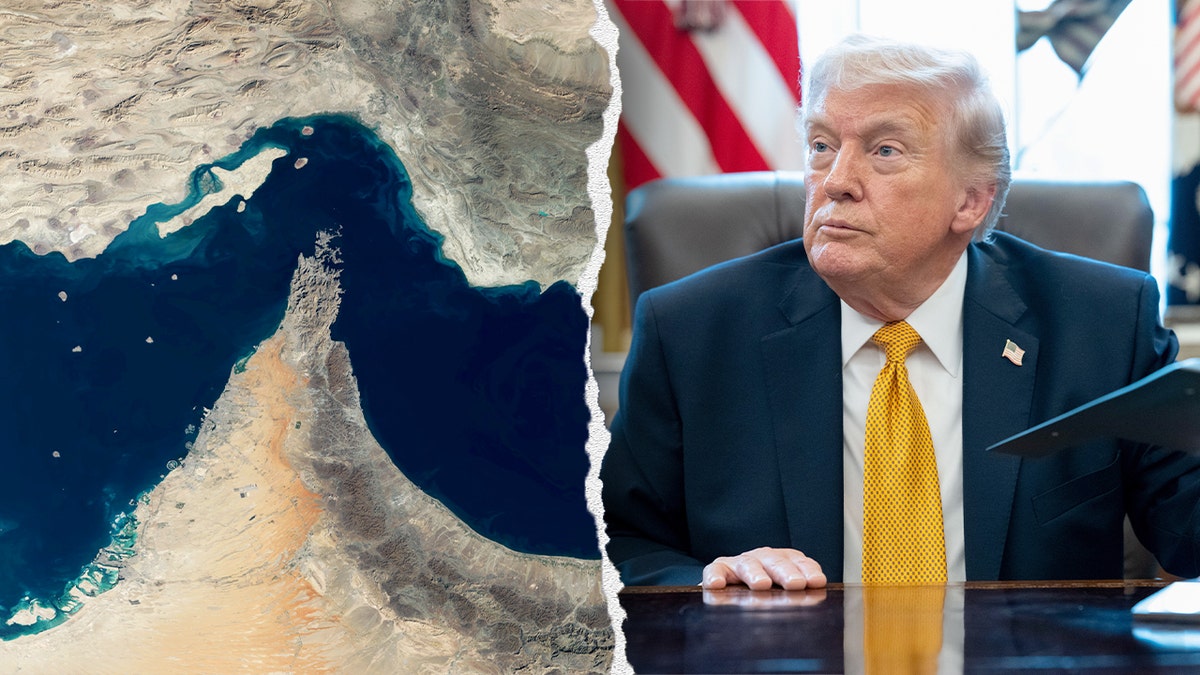
Until such time, the situation remains in a state of diplomatic flux. International observers and stakeholders in the energy sector are advised to rely solely on official communiqués issued by the U.S. State Department or the Iranian Ministry of Foreign Affairs. We will continue to monitor these official sources for any updates to the status of the Strait of Hormuz or changes to international trade restrictions.
If you have insights or would like to discuss the broader implications of these diplomatic developments, please share your thoughts in the comments section below. Your engagement helps us maintain a comprehensive view of how these global events affect our readers.
Keep reading
- Indonesia’s Home Minister Defends Due Process for Corrupt Regional Heads Amid Integrity Push
- Investigation Launched After Young Boy Found Dead in Rhône
- Qatar says drafts of potential US-Iran agreement are circulating (archyde.com)
- US Labor Market Stabilizes as Jobless Claims Fall and Openings Hold Steady (archyworldys.com)