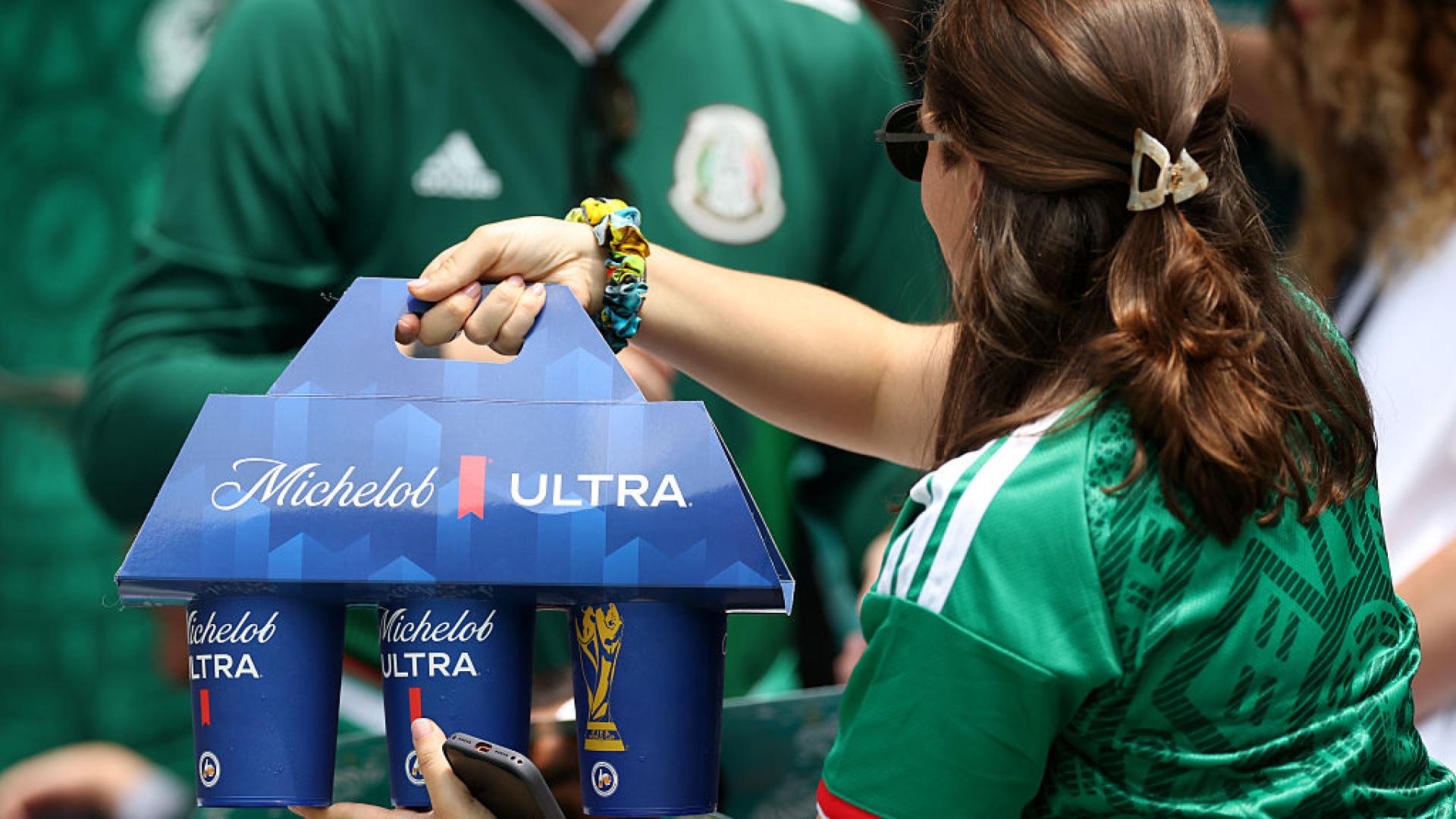
FIFA has confirmed that spectators attending the 2026 World Cup matches will be subject to specific stadium entry protocols regarding liquids, though the governing body maintains that provisions for hydration will be available to fans. As preparations for the tournament in Canada, Mexico, and the United States intensify, questions regarding venue security policies and spectator comfort during extreme temperatures have moved to the forefront of logistical planning. According to official FIFA tournament guidelines, prohibited items lists are standardized to ensure security across all host venues, while local organizers are tasked with managing heat mitigation strategies.
The 2026 tournament, which will be the first to feature 48 teams, is scheduled to take place across 16 host cities. With several venues located in regions prone to high summer temperatures, such as Monterrey and Guadalajara in Mexico, the intersection of security screening and hydration access has become a critical point of concern for international football supporters. FIFA’s official Prohibited Items list generally restricts the entry of outside beverages and containers to maintain a secure environment, but the organization emphasizes that water will be accessible within the stadium perimeters for all ticket holders.
Stadium Security Protocols and Hydration Access
Security at FIFA-sanctioned events is managed through a comprehensive set of regulations designed to protect players, staff, and fans. The standard policy for FIFA tournaments, including the upcoming 2026 edition, prohibits the entry of outside liquids, glass bottles, and large containers. These measures are enforced to mitigate risks associated with projectiles and to maintain strict control over items entering the seating bowl, as outlined in the official FIFA tournament terms and conditions.

While the prohibition on outside bottles is a long-standing security feature at major international sporting events, the increased focus on fan welfare during extreme heat has led to scrutiny of how stadium operators provide alternatives. FIFA mandates that host stadiums provide adequate hydration stations and retail points for water. According to the FIFA World Cup 2026 Host City requirements, venues must demonstrate the capacity to manage crowd flow and provide essential services, including potable water, even during high-temperature events. Local organizing committees are required to ensure that water stations are accessible to all spectators throughout the duration of every match.
Managing Extreme Heat in Host Cities
The 2026 World Cup schedule includes matches in cities where summer temperatures often exceed 35°C (95°F). Managing the health risks associated with these conditions is a primary objective for the local host authorities. In response to potential heatwaves, FIFA and local organizers have committed to implementing cooling measures, which include the installation of misting stations and the availability of shaded areas within concourses. As noted by the World Health Organization, proactive hydration and heat-management infrastructure are essential for large-scale outdoor gatherings in high-temperature climates.
Unlike previous tournaments where specific local customs or venue layouts might have allowed for more flexible entry policies, the 2026 World Cup will follow a unified, global security standard. Fans are encouraged to monitor official communications from their specific host city committees regarding venue-specific entry times and cooling resources. These committees are responsible for ensuring that the transition from security checkpoints to the seating areas is as efficient as possible, minimizing the time fans spend exposed to direct heat.
Comparison of Tournament Policies
The debate surrounding water bottles at stadiums often stems from a misunderstanding of the distinction between security regulations and fan service obligations. While some international fans have expressed concern that a “ban” on water bottles equates to a lack of access, historical data from recent tournaments indicates that the removal of outside containers is almost always paired with increased availability of water kiosks inside the stadium. For example, at the 2022 FIFA World Cup in Qatar, where temperatures were also a significant factor, authorities implemented stringent security checks while simultaneously deploying massive water distribution networks to manage fan safety throughout the event.
The 2026 tournament will continue this approach, focusing on the balance between rigorous safety checks and the duty of care toward attendees. Fans should prepare for the event by reviewing the specific prohibited items list released by the FIFA digital ticketing platform closer to the tournament start date. This digital platform remains the primary source for all official updates regarding match-day logistics and venue policies.
Next Steps for Tournament Logistics
The next major milestone for tournament organizers will be the finalization of the match schedule and the release of the comprehensive spectator guide for all 16 host cities. Fans are advised to follow the official FIFA website and the specific social media channels of their host city for the most accurate information regarding stadium entry requirements. As the tournament date approaches, additional information on heat safety, transportation, and prohibited items will be disseminated to ticket holders via email and the tournament app.
We welcome your thoughts on how tournament organizers can better balance security and fan comfort during major sporting events. Join the conversation below to share your experiences or concerns regarding upcoming stadium protocols.