
Stoicism serves as a psychological framework for managing modern stressors, according to Santiago Ávila, a doctor in economics and former military officer. In his recent book, Tontocracia, Ávila argues that the ancient philosophical school provides a practical, non-pharmaceutical approach to maintaining emotional equilibrium in an era of constant digital stimulation and social volatility.
As a physician based in Berlin, I have observed a growing clinical interest in how cognitive behavioral techniques—many of which are rooted in Stoic principles—can assist patients in navigating high-pressure environments. Ávila’s perspective aligns with broader trends in contemporary psychology, where practitioners often use the core tenets of Stoicism to help individuals differentiate between external events beyond their control and their own internal responses.
The Stoic Approach to Economic and Social Stress
The central premise in Ávila’s work is that the “tontocracia”—a term he uses to describe a society increasingly governed by impulsive or irrational decision-making—creates a high-friction environment for the individual. By applying Stoic logic, he suggests that one can mitigate the anxiety caused by these external social structures. The philosophy emphasizes the “dichotomy of control,” a concept famously articulated by the Stoic philosopher Epictetus, which posits that while we cannot control the world around us, we retain absolute authority over our judgments and actions, as detailed in the Stanford Encyclopedia of Philosophy.
In practice, this means shifting focus from reacting to news cycles or public opinion to focusing on one’s own sphere of influence. For those facing professional burnout or the pressures of a complex economy, this mental shift is often a primary step in cognitive therapy. By deconstructing stressful events into manageable components, individuals can reduce the physiological impact of chronic stress, such as elevated cortisol levels, which are well-documented in clinical literature related to stress management techniques.
Applying Stoic Principles in Daily Life
Beyond theoretical application, the incorporation of Stoic practices involves consistent mental training. Ávila suggests that the discipline required in military settings, combined with economic analysis, highlights the necessity of “reason-based” living. This involves a daily review of one’s actions, a practice known in historical texts as the “evening review,” where one assesses their adherence to personal values and rational decision-making.
From a public health perspective, the utility of these practices is significant. The World Health Organization has long emphasized the importance of mental health literacy in building resilience against non-communicable diseases linked to stress, such as hypertension and cardiovascular issues. While philosophical texts are not medical interventions, they function as self-help tools that encourage individuals to seek a grounded reality rather than succumbing to emotional reactivity.
Why Rationality Matters in Modern Decision-Making
The term “Tontocracia” implies a critique of how public discourse is managed. When societal systems prioritize emotional engagement over rational debate, the individual often feels overwhelmed. Ávila’s call for a return to Stoicism is, at its core, a call for cognitive autonomy. By refusing to let external noise dictate one’s internal state, the individual regains the capacity for objective analysis—a skill as vital in economics as it is in personal health.
For readers looking to integrate these concepts, the process begins with identifying “triggers”—events that usually provoke an irrational or overly emotional response. Once identified, the Stoic method requires a pause, a moment of reflection, and a conscious choice to respond based on objective fact rather than initial impulse. This process is highly similar to the “Stop, Think, Act” model used in emergency medicine to ensure clarity during critical situations, a standard practice recognized by medical training organizations worldwide.
Future Directions and Further Reading
While the discourse on Stoicism continues to expand, it is important to distinguish between popular interpretations of the philosophy and its historical, rigorous application. As more experts like Ávila bring these concepts into the public sphere, the focus remains on the measurable benefits of self-regulation. Future discussions will likely center on how these ancient techniques can be further integrated into modern corporate and educational environments to foster healthier, more resilient populations.
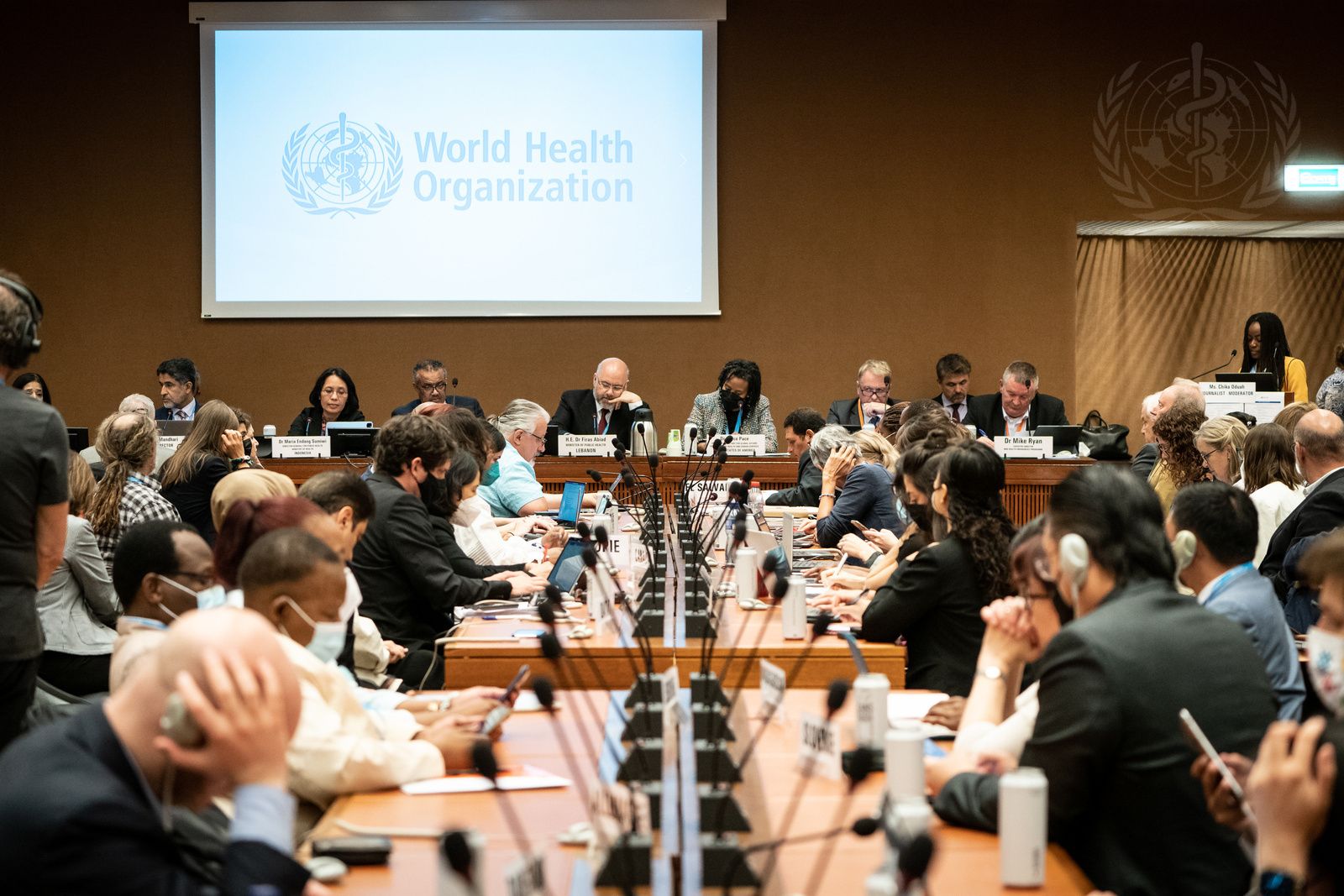
If you are interested in exploring how philosophical frameworks impact mental health, further updates on public health strategies and medical research can be found through the World Health Organization’s official mental health resource center. I encourage our readers to participate in this ongoing conversation. How do you maintain your focus in a high-stress environment? Please share your experiences and questions in the comments section below.