The Democratic Republic of the Congo (DRC) is currently grappling with a persistent Ebola virus disease outbreak, with the World Health Organization (WHO) reporting that the virus remains active and uncontained one month after initial detection. As of the most recent updates from health authorities, the situation is characterized by a rapid transmission rate, with case numbers in certain affected regions doubling on a weekly basis, according to data provided by the World Health Organization.
The outbreak, which emerged in a complex environment of regional instability, has seen confirmed cases climb past 670, with the death toll exceeding 135 individuals. These figures, while subject to ongoing verification by the WHO Regional Office for Africa, underscore the significant challenges responders face in managing the contagion. Public health officials have identified funding shortfalls, community fear, and the spread of medical disinformation as primary obstacles to curbing the transmission of the virus.
The Challenges of Containment in Conflict Zones
Containment efforts in the DRC are frequently complicated by the geography and the security environment of the affected provinces. Ebola, a severe viral hemorrhagic fever, requires rigorous contact tracing, safe burial practices, and rapid isolation of the infected to break chains of transmission. However, as noted by Médecins Sans Frontières (MSF), the presence of armed groups and the displacement of civilian populations in the eastern part of the country make these essential medical interventions difficult to execute consistently.

The transmission dynamics are further exacerbated by a lack of trust in official medical responses. In many instances, local populations have resisted health protocols, often due to a historical lack of infrastructure and perceived marginalization by central authorities. This skepticism has facilitated the spread of misinformation, which in turn leads to the late presentation of patients at treatment centers. When patients arrive at clinics after the disease has progressed to advanced stages, the survival rate drops significantly, placing an immense strain on the limited number of specialized isolation units available in the region.
Medical Risks for Frontline Caregivers
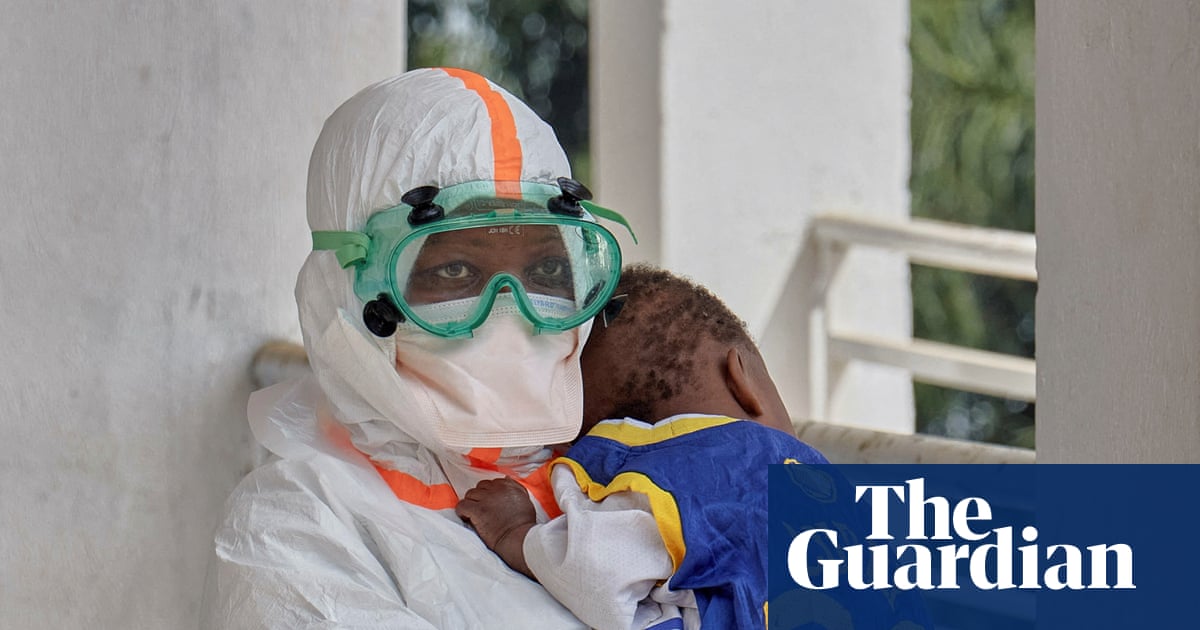
The danger posed by the virus is not limited to the general population; healthcare workers and caregivers in informal settings remain at high risk. Recent reports have highlighted instances where individuals providing care to family members or infants have contracted the virus themselves. This pattern of transmission within the community—often occurring before a case is officially recognized by health authorities—complicates the ability of surveillance teams to identify all potential contacts.

According to the Centers for Disease Control and Prevention (CDC), the Ebola virus is transmitted through direct contact with the blood, secretions, or other bodily fluids of infected people, as well as with surfaces contaminated with these fluids. The risk of transmission is highest during the late stages of the disease, which is when most patients require the most intensive care. Consequently, the infection of caregivers serves as a stark indicator of the gaps in community-based infection control and the urgent need for wider access to personal protective equipment and training for local staff.
Strategic Response and Future Outlook
The international response, led by the WHO in coordination with the DRC’s Ministry of Health, has focused on a multi-pronged approach: vaccination, therapeutics, and community engagement. The use of experimental vaccines has been a cornerstone of the strategy, targeting ring vaccination of contacts and contacts-of-contacts. However, the efficacy of these measures is tethered to the ability of medical teams to reach remote areas safely and in a timely manner.
Funding remains a critical concern. International donors have been called upon to close the gap in the emergency response budget, which covers everything from the deployment of rapid response teams to the maintenance of cold-chain logistics for vaccines. Without a sustained influx of resources, the public health infrastructure in the affected regions risks being overwhelmed by the rising volume of cases. The United Nations Children’s Fund (UNICEF) continues to emphasize that the protection of children and the maintenance of essential social services are vital to preventing the broader collapse of community resilience during the epidemic.
Frequently Asked Questions
How is the Ebola virus primarily transmitted?
Ebola is transmitted through direct contact with the blood, bodily fluids, or tissues of infected people or animals. It is not an airborne disease, but it remains highly contagious through contact with contaminated materials.
What are the main symptoms of Ebola?
Symptoms typically include the sudden onset of fever, fatigue, muscle pain, headache, and sore throat, followed by vomiting, diarrhea, rash, and symptoms of impaired kidney and liver function, according to official WHO clinical guidelines.
Are there vaccines available for this outbreak?
Yes, vaccines are being deployed as part of the response strategy. These are typically administered through ring vaccination, which involves vaccinating the contacts of confirmed cases to create a “buffer” of immunity around the virus.
How can the public support the containment efforts?
Supporting recognized international and local health organizations that provide medical care and community education is the most effective way to assist. Avoiding the spread of unverified information and adhering to guidance from local health ministries is essential for community safety.
The situation remains fluid, with the next official epidemiological update expected from the WHO in the coming week. Readers are encouraged to monitor official government health portals for verified safety advisories and to share reliable information to help combat the spread of medical myths. Continued vigilance and international cooperation remain the most effective tools in preventing this outbreak from becoming the most severe in the region’s history.