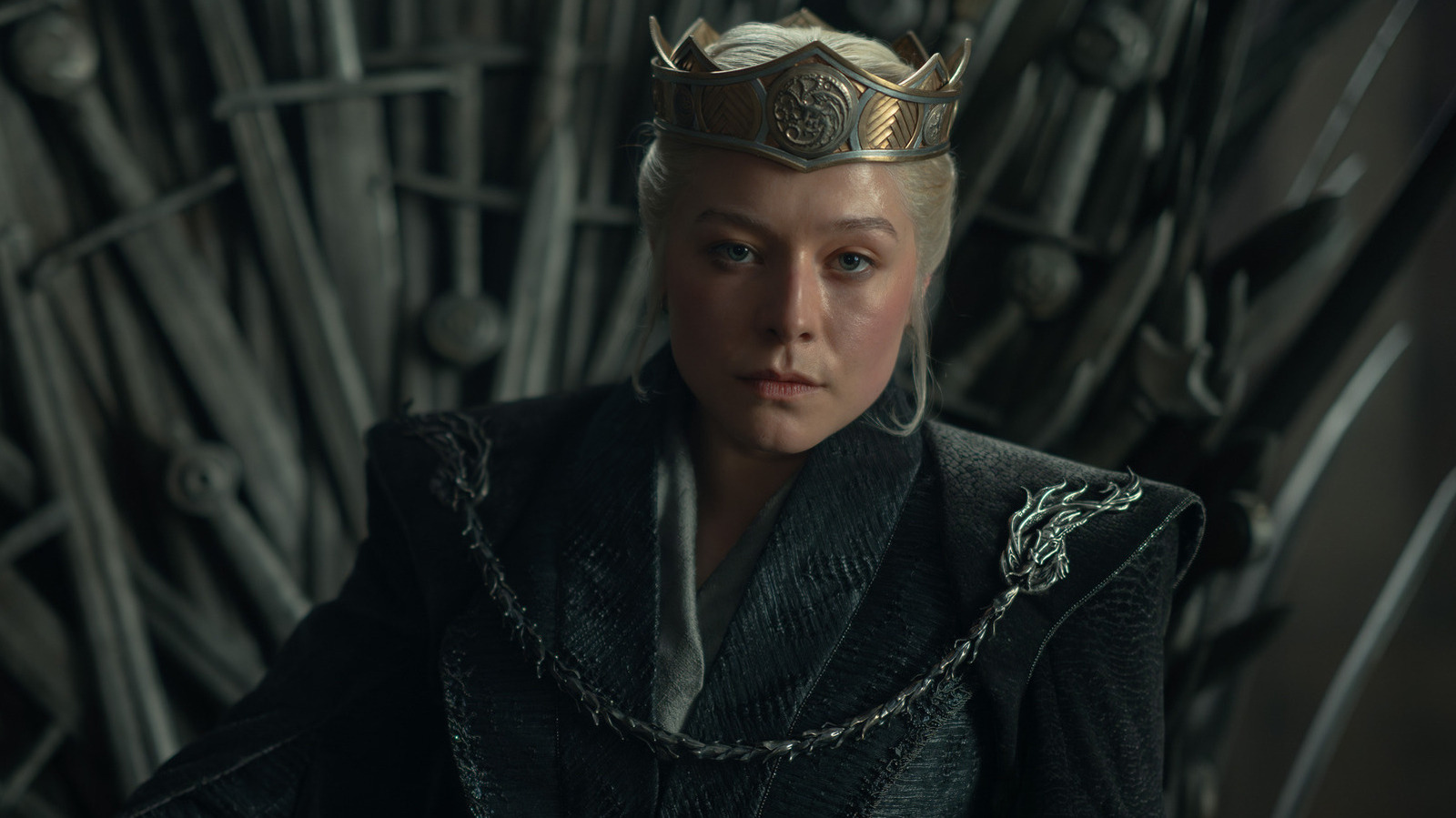
HBO has officially confirmed that House of the Dragon will return for a third season, extending the prequel series that chronicles the internal collapse of House Targaryen. As production moves forward, viewers and critics have begun drawing parallels between the series’ narrative trajectory and the structural developments seen in the original Game of Thrones, specifically regarding the escalation of the civil war known as the Dance of the Dragons. While the show remains rooted in George R.R. Martin’s Fire & Blood, structural choices in recent episodes have sparked discussions about how the series adapts established Westerosi themes for a modern television audience.
According to official statements from HBO, the network renewed the series for a third season prior to the premiere of the second season in June 2024, citing strong viewership metrics and critical reception. This early renewal allows showrunner Ryan Condal to maintain a consistent creative vision as the story progresses toward the inevitable, violent resolution of the Targaryen succession crisis. The transition into the next phase of the narrative suggests a focus on the logistical and psychological toll of dragon warfare, a thematic shift that mirrors the broader, multi-front conflicts that defined the later seasons of Game of Thrones.
The Evolution of Targaryen Conflict
The core of the current narrative arc involves the deepening divide between the “Blacks,” led by Rhaenyra Targaryen, and the “Greens,” under the banner of Aegon II. As the conflict expands, the show has increasingly leaned into the “smallfolk” perspective, a narrative device used frequently in Game of Thrones to demonstrate the human cost of dynastic instability. By focusing on how the blockade of King’s Landing and the scarcity of resources affect the populace, the production team is emphasizing the political themes of power and governance that served as the backbone of the franchise’s initial success.

In a June 2024 interview with Variety, showrunner Ryan Condal noted that the series aims to balance the high-fantasy elements of dragon combat with the grounded, character-driven political maneuvering that fans expect from the franchise. This approach necessitates a careful adaptation of the source text, which is written as a historical chronicle rather than a traditional novel. By expanding on interpersonal dynamics and the psychological states of the protagonists, the writers are effectively filling the gaps inherent in the “in-universe” history book format of Fire & Blood.
Comparing Narrative Structures
The progression of House of the Dragon into its third season invites comparison to the mid-series pivot of Game of Thrones, where the scope of the story expanded from a localized power struggle into a continent-wide existential threat. While the Dance of the Dragons is a contained civil war, the show’s decision to emphasize the ripple effects of the conflict across the Seven Kingdoms aligns with the storytelling strategy that made the earlier series a global cultural phenomenon. The reliance on established lore, combined with the visual language of high-budget fantasy, continues to define the series’ identity.

According to data provided by Warner Bros. Discovery, the second season premiere reached over 7.8 million viewers across HBO and Max, signaling sustained interest in the franchise’s expansion. This reach is a critical component of the network’s broader strategy to maintain a presence in the high-fantasy market. As the production prepares for the upcoming season, the primary challenge remains the adaptation of the “Hour of the Wolf” and other key historical milestones that require a delicate balance of pacing and spectacle.
What Lies Ahead for the Greens and Blacks
Production schedules for the upcoming episodes remain subject to the availability of the ensemble cast and the complex post-production requirements associated with dragon-heavy sequences. HBO has not yet announced a definitive release date for the third season, though industry analysts generally expect a standard production cycle of 18 to 24 months between major installments. This timeline ensures that the quality of the visual effects, which are integral to the series’ portrayal of dragon combat, remains at the standard established by the preceding seasons.

For viewers interested in tracking the official updates regarding the production, HBO’s press site serves as the primary source for casting announcements, filming locations, and official release windows. As the story approaches its conclusion, the focus will likely remain on the erosion of the Targaryen dynasty and the long-term implications for the Iron Throne. Whether the series will continue to mirror the pacing of Game of Thrones remains a point of speculation, but the commitment to the source material suggests a definitive, albeit tragic, end for the major players involved.
The next official checkpoint for the series will be the announcement of the production commencement date, which is expected to be released via official HBO social media channels. We encourage our readers to share their thoughts on the series’ evolution in the comments section below, and look forward to providing further updates as more details become available.