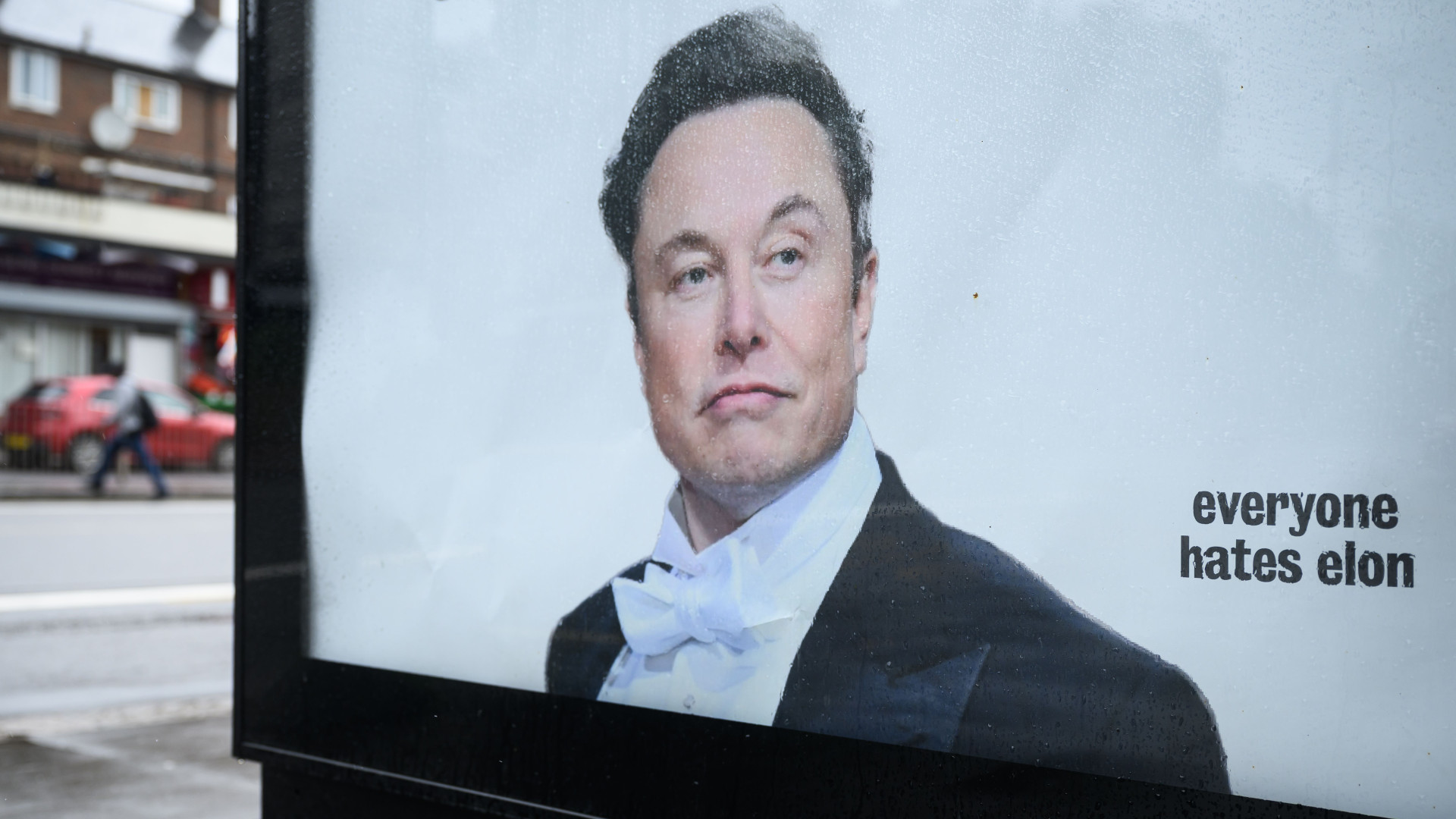
Nobel laureate economist Paul Krugman has publicly questioned the business model of SpaceX, suggesting the company’s financial structure bears similarities to a pyramid scheme, a critique that has ignited renewed debate over the valuation of private space enterprises. This assessment, rooted in concerns regarding the company’s heavy reliance on capital investment and its long-term path to profitability, stands in contrast to the high market confidence expressed by private investors. The discourse highlights a broader tension between traditional economic analysis and the speculative nature of the burgeoning commercial space sector.
Krugman’s comments, which have circulated widely in financial circles, target the massive capital expenditures required to maintain SpaceX’s launch operations and its Starlink satellite constellation. According to financial data tracked by Reuters, SpaceX reached a valuation of approximately $210 billion following a tender offer in mid-2024. For critics like Krugman, such figures are disconnected from immediate cash flow realities, leading to comparisons with historical financial structures that depend on constant new investment to sustain current operations.
The Economics of Private Space Valuation
The primary concern regarding SpaceX’s valuation is the gap between its current revenue streams—largely derived from government contracts and commercial satellite launches—and the immense costs of developing next-generation hardware like the Starship launch system. Financial analysts often point to the company’s unique position as a private entity, which allows it to avoid the quarterly earnings pressure faced by public companies like Tesla. However, this lack of public transparency also makes independent verification of its financial health difficult for the average investor.
_(cropped).jpg "The Economics of Private Space Valuation")
According to reports from the Financial Times, the company has utilized its dominant position in the launch market to secure significant funding, yet the sustainability of this model depends on the successful deployment and monetization of its Starlink satellite internet services. While SpaceX has successfully reduced the cost of access to orbit through its reusable Falcon 9 rockets, the capital-intensive nature of space exploration remains a point of contention for economists who prioritize traditional metrics such as price-to-earnings ratios.
Market Sentiment and the Risks to Investors
The allure of investing in Elon Musk’s ventures has created a distinct market phenomenon where retail investors often seek exposure to his private companies through proxies or secondary market platforms. However, financial regulators have frequently warned about the risks associated with investing in private, pre-IPO companies. The U.S. Securities and Exchange Commission (SEC) maintains that private placements carry significant liquidity risks and lack the disclosure requirements mandated for public exchanges, potentially leaving investors vulnerable to sudden shifts in company valuation.

While proponents argue that SpaceX is building the critical infrastructure for a multi-planetary future, skeptics argue that the “most expensive dream in history” carries risks that are not fully priced into its current valuation. The contrast between Musk’s vision and the cautious outlook of institutional economists centers on whether the company’s technological milestones can be translated into a sustainable, profit-generating machine that does not require perpetual external funding.
Comparing Perspectives on SpaceX
The debate over SpaceX often splits along the lines of technological optimism versus fiscal conservatism. Supporters point to the company’s successful landing and reuse of orbital-class rockets as a historical shift in aerospace capability, verified by consistent flight data from the Federal Aviation Administration (FAA). Critics, however, focus on the sheer scale of the debt and equity required to sustain this pace of innovation.
| Perspective | Primary Focus | Economic Concern |
|---|---|---|
| Technological Optimism | Hardware innovation and orbital access. | Regulatory hurdles and launch frequency. |
| Fiscal Conservatism | Capital intensity and cash flow. | Market sustainability and investor risk. |
What Happens Next
The next major checkpoint for SpaceX involves the continued development and testing of the Starship vehicle, which is essential for both lunar missions and long-term Mars exploration goals. The company is currently operating under a series of launch licenses issued by the FAA, which require ongoing safety and environmental assessments for every test flight. Investors and market watchers are expected to monitor future tender offers and any potential shifts in the company’s capital structure as a barometer for its long-term financial viability.
As the commercial space sector matures, the scrutiny of companies like SpaceX is likely to increase, particularly if they seek to access public markets through an initial public offering (IPO). Until such a time, the debate between high-valuation optimism and critical economic analysis will likely continue, reflecting the broader challenges of funding the next generation of aerospace technology.
This report provides an overview of current market discussions regarding SpaceX. Readers are encouraged to monitor official filings from the SEC and updates from the FAA for the most accurate information regarding the company’s regulatory status and operational progress. Feel free to share your thoughts or questions in the comments section below.
Related reading