
Telegram has officially returned to the Wear OS platform, allowing users to access the messaging service directly from their smartwatches without needing a smartphone nearby. The reintroduction of the app follows a period of absence for Google’s wearable operating system, marking a significant update for users who rely on the platform for encrypted communication. According to the official Telegram blog, the standalone application enables users to manage chats, send voice messages, and view stickers directly from their wrists.
The return of Telegram to Wear OS is part of a broader push by the company to ensure accessibility across diverse hardware ecosystems. While the messaging service had been available on Android mobile devices for years, the specialized watch interface had been absent, limiting the utility of the app for users of devices like the Samsung Galaxy Watch or the Google Pixel Watch. This integration utilizes the standard Wear OS APIs, ensuring that notifications, contact syncing, and message history remain consistent with the mobile version of the service.
How the Telegram Wear OS Integration Works
The standalone version of Telegram for Wear OS functions independently of the primary smartphone application once the initial synchronization is complete. Users can log in via a QR code displayed on the watch face, which links the wearable device to their primary account. Once authenticated, the application pulls recent chat threads and allows users to browse through their contact lists. This development is significant for users who prioritize data privacy and encrypted messaging, as it maintains the same security standards as the mobile application.
The interface is optimized for smaller displays, utilizing a vertical scrolling list for navigation and touch-sensitive buttons for common actions. Users can send text replies using the built-in keyboard, voice-to-text dictation, or pre-set emoji responses. The app also supports the viewing of high-resolution stickers and animated GIFs, which are scaled to fit the circular or square displays typical of modern smartwatches. According to technical specifications provided by Google for the Wear OS development platform, apps that operate in this manner must adhere to strict battery consumption guidelines to ensure that background syncing does not prematurely drain the watch’s power reserve.
Platform Requirements and Compatibility
To utilize the native Telegram experience, users must have a device running Wear OS 3 or later. This requirement aligns with the current industry standard for wearable software, as older versions of the operating system lack the necessary framework to support modern, feature-rich messaging applications. Those using legacy versions of Wear OS may find the app unavailable in the Google Play Store or encounter compatibility errors upon installation.
The installation process is straightforward: users can search for “Telegram” within the Google Play Store directly on their watch or push the installation from their connected Android smartphone. Once installed, the app requires a stable internet connection—either via Bluetooth tethering to a phone, Wi-Fi, or an active LTE cellular plan—to synchronize messages in real-time. The Google Support documentation notes that performance may vary depending on the specific hardware capabilities of the smartwatch, particularly regarding internal memory and processor speed.
Why This Update Matters for Users
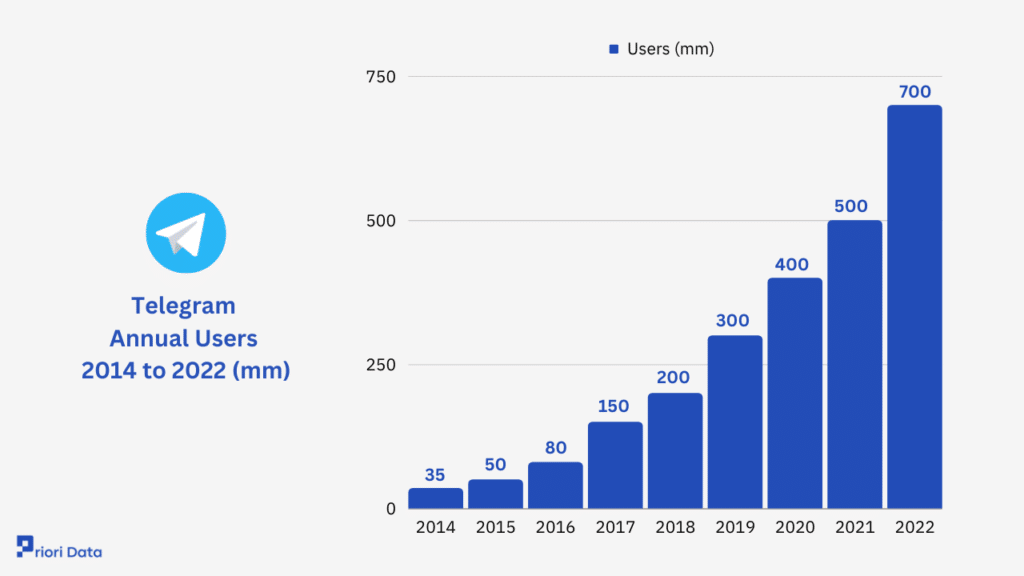
The return of this app highlights the growing importance of the smartwatch as a standalone communication device. By reducing reliance on the smartphone, Telegram is positioning itself to be more useful for activities such as fitness tracking or commuting, where carrying a phone may be inconvenient. This shift reflects a larger trend in the tech industry, where developers are increasingly investing in “wrist-first” software experiences that offer parity with mobile counterparts.
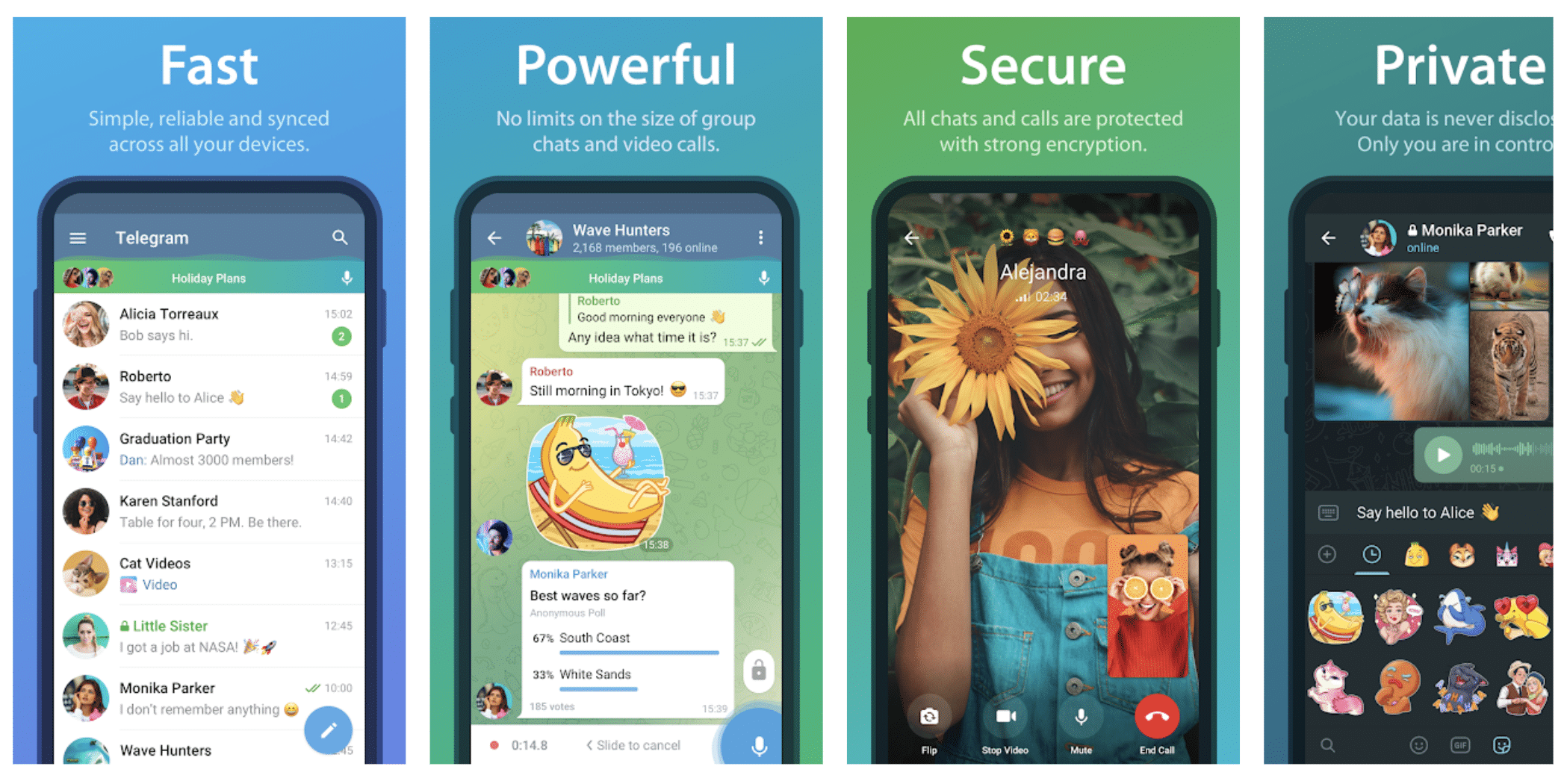
For power users, the ability to view and respond to messages without pulling out a phone provides a more seamless workflow throughout the day. Furthermore, because the app is built on the open-source Telegram API, it remains consistent with the platform’s commitment to cross-platform compatibility. Future updates to the app are expected to follow the company’s standard release cycle, which often introduces new features to mobile and wearable versions simultaneously.
Future Developments and Updates
While Telegram has confirmed the return of the app, users should monitor the official Telegram channel for announcements regarding version updates and feature expansions. As with any software platform, developers may release patches to address bugs or improve battery efficiency based on user feedback. The company has not provided a specific roadmap for future Wear OS features, such as advanced end-to-end encrypted secret chats or full video playback capabilities, but the current iteration provides a robust foundation for daily use.
If you encounter issues with the installation or synchronization, ensure your watch is running the latest available firmware provided by the manufacturer. For ongoing updates, users can check the settings menu within the Telegram app on their watch to confirm they are running the latest version. Have you tested the new Telegram interface on your smartwatch? Share your thoughts and experiences in the comments below.
Keep reading