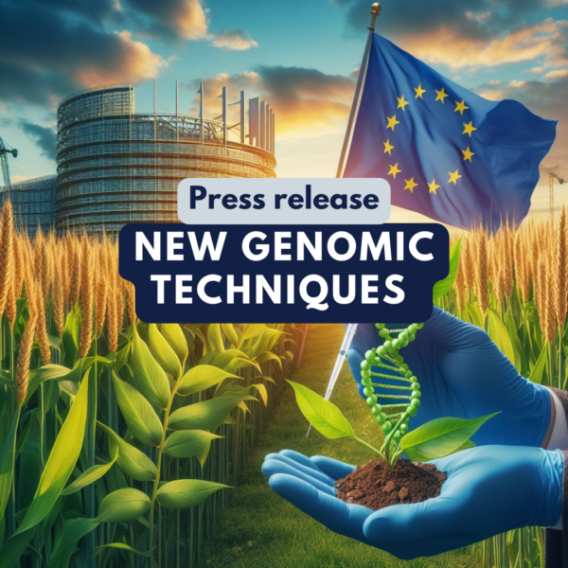
Agricultural advocacy group BIO AUSTRIA has formally requested that the European Parliament reject and revise the current proposal concerning the regulation of plants derived from New Genomic Techniques (NGT). The organization argues that the existing legislative framework fails to provide adequate transparency for organic farmers and consumers, citing concerns over the potential for unintended environmental consequences and the loss of patent-free seed availability.
The legislative proposal, which seeks to categorize certain gene-edited plants differently from traditional genetically modified organisms (GMOs), has moved through several stages of the European legislative process. According to the European Parliament’s legislative records, the proposal aims to streamline the approval process for NGT plants that could theoretically be produced through conventional breeding. However, the move has triggered significant pushback from organic industry representatives who contend that the current language lacks sufficient safeguards to protect the integrity of non-GMO production chains.
The Regulatory Status of New Genomic Techniques
At the center of the dispute is the distinction between conventional GMOs and plants modified via NGTs, such as CRISPR-Cas9. The European Commission has proposed a two-tier system for these crops. Under this framework, NGT plants deemed “equivalent” to conventional plants would be exempt from the stringent risk assessment and labeling requirements stipulated in the 2001/18/EC Directive on the deliberate release of GMOs into the environment. Proponents of the reform argue that this approach encourages innovation and climate resilience in the agricultural sector.

Conversely, critics, including BIO AUSTRIA and various environmental NGOs, argue that the absence of mandatory labeling for Category 1 NGT products deprives farmers and consumers of the ability to make informed choices. The European Parliament’s Environment, Public Health and Food Safety (ENVI) committee adopted its position on the proposal in February 2024, maintaining support for the Commission’s broad categorization while adding requirements for transparency regarding patents, as reported by the European Parliament’s official press service.
Concerns Over Intellectual Property and Seed Sovereignty
A primary driver for the opposition from organic agriculture advocates is the intersection of biotechnology regulation and patent law. BIO AUSTRIA and other stakeholders have expressed concern that the deregulation of NGT plants will lead to an increase in patent-protected seeds, which could limit the ability of farmers to save and exchange seeds from year to year. This practice is a cornerstone of organic farming and traditional agricultural biodiversity.

The European Parliament has acknowledged these concerns by including provisions that prohibit the patenting of all NGT plants. However, legal experts noted in a European Parliamentary Research Service briefing that the interplay between the proposed NGT regulation and existing patent laws remains complex. Specifically, while the Parliament has voted to exclude NGT plants from patentability, the practical enforcement of such a ban within the existing European patent system—which is governed by the European Patent Convention rather than EU law—remains a subject of ongoing debate among policymakers.
The Path Toward Final Legislation
The legislative procedure is currently in the inter-institutional phase, with the Council of the European Union and the European Parliament working to reach a consensus. While the ENVI committee has provided its mandate, the file remains subject to negotiation. The primary hurdle for the proposal is the lack of a qualified majority among EU member states in the Council, as several nations remain divided on the issue of labeling and the environmental risk assessment protocols.
According to updates from the Council of the European Union, discussions are continuing to address the technical details of the coexistence measures between NGT and organic farming. The final adoption of the regulation requires both the Parliament and the Council to agree on an identical text. As of mid-2024, no definitive date has been set for a final plenary vote that would resolve the pending amendments regarding transparency and patent restrictions.
For stakeholders and interested parties, the European Commission maintains a public portal tracking the progress of the NGT legislative file, where official notifications regarding upcoming trilogue meetings and committee votes are published. Public discourse on the matter continues as the EU seeks to balance agricultural innovation with the preservation of existing organic standards.
Related reading