
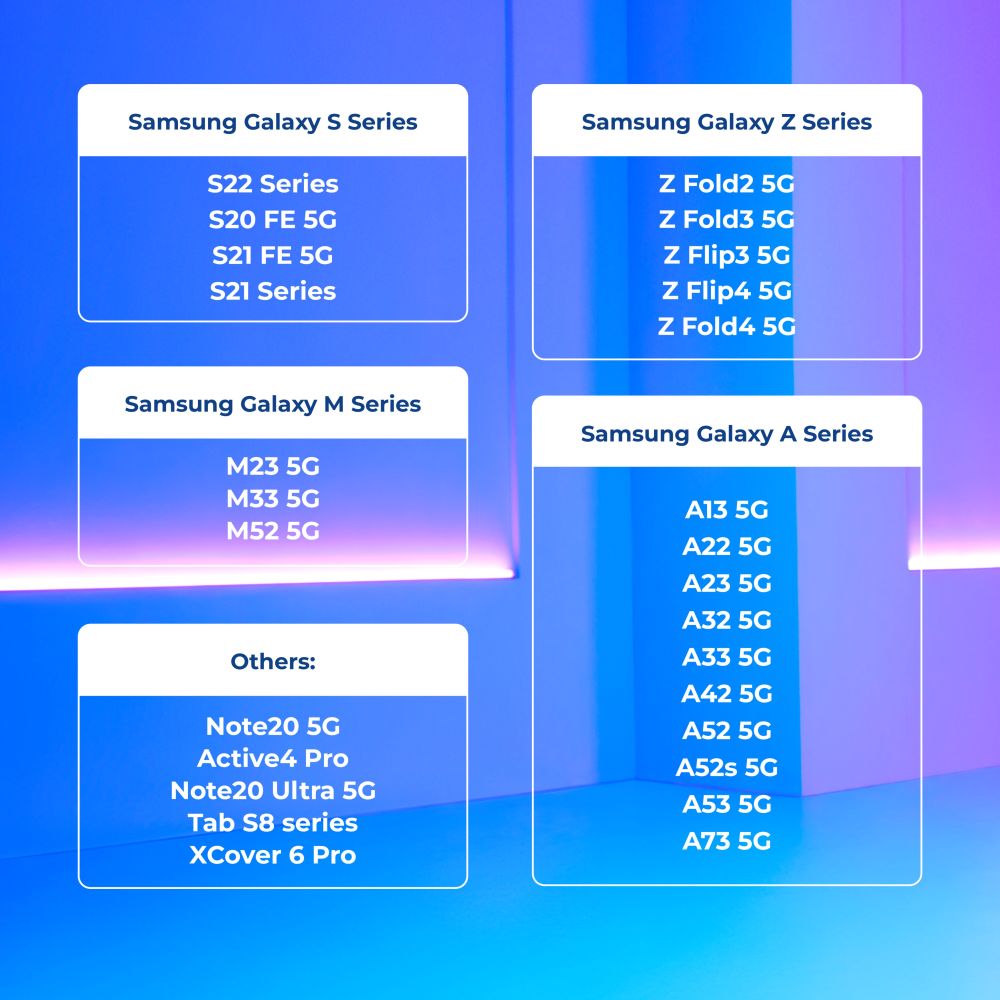
Samsung is currently testing new firmware, fueling industry speculation that the Galaxy A16 5G and other mid-range devices may receive the upcoming One UI 9 update. While the company has not issued a formal list of supported devices, the appearance of internal test builds on Samsung’s servers suggests a broader rollout strategy for its next-generation interface, which is expected to be based on Android 16.
The potential inclusion of the Galaxy A16 5G in the One UI 9 update cycle aligns with Samsung’s recent commitment to extended software support for its budget and mid-range smartphone lineups. As a technology editor who has followed Samsung’s update policies closely, I have observed a clear shift toward providing longer-term Android and security updates for devices like the Galaxy A series to maintain competitive value against rival hardware manufacturers. According to official Samsung support documentation, the company has pledged up to four generations of OS upgrades for select models, a policy that significantly impacts the longevity of consumer electronics.
Understanding the One UI 9 Development Cycle
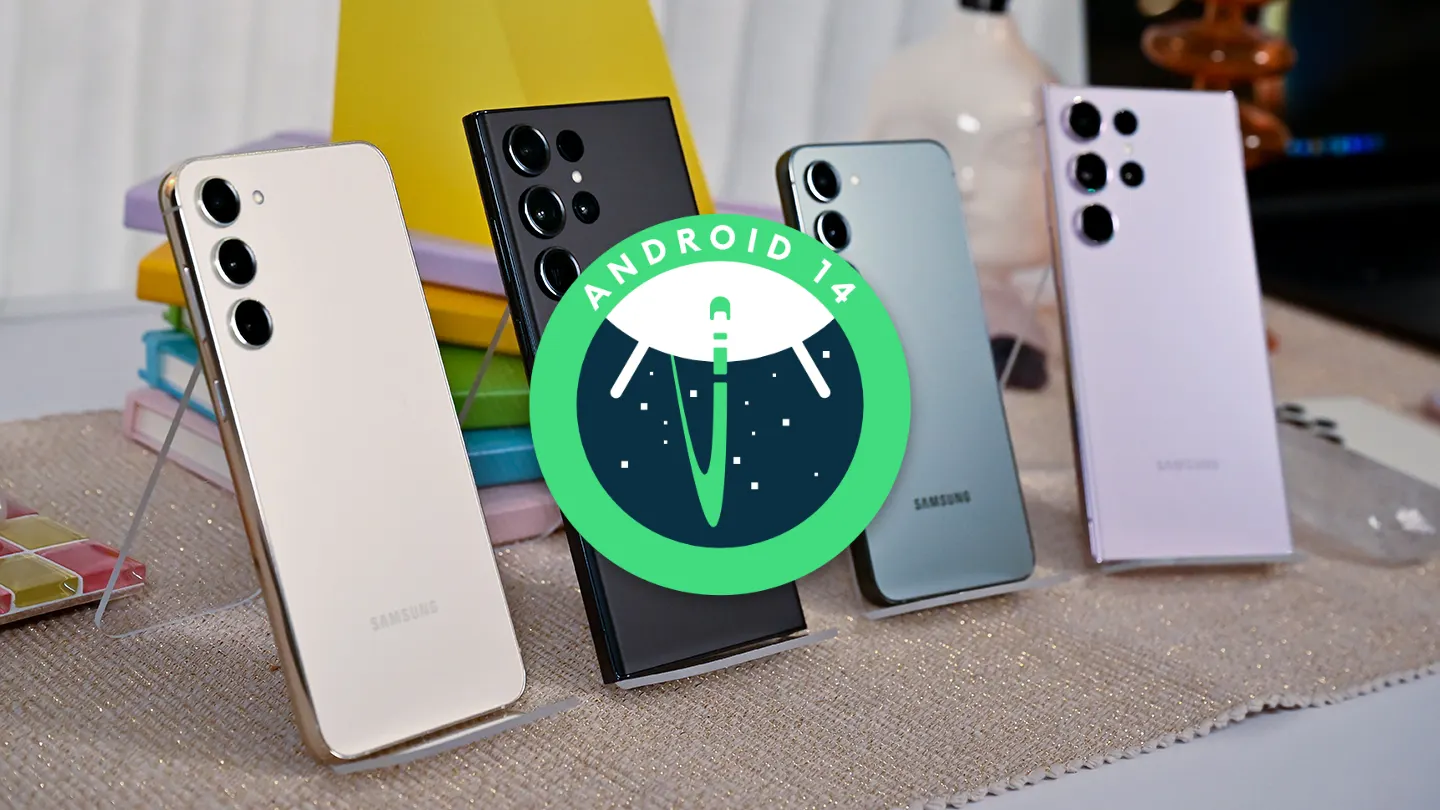
Development cycles for major software releases typically involve rigorous internal testing before beta versions are pushed to public channels. Recent reports from industry observers tracking firmware servers indicate that Samsung is actively preparing for the transition to One UI 9. This software iteration is widely anticipated to accompany the launch of the next flagship series, commonly referred to as the Galaxy S26, which is expected to debut in early 2025 based on historical release patterns documented by Samsung Newsroom.
The internal testing process for One UI 9 appears to be focusing on streamlining the user experience, particularly regarding the beta program registration. Sources familiar with the development process suggest that the registration and withdrawal procedures for the beta testing phase may be significantly simplified compared to the One UI 6 and 7 cycles. This adjustment is intended to allow a larger group of users to provide feedback on the interface, which is critical for identifying bugs before the final public release.
Impact on the Galaxy A Series and User Expectations
For owners of the Galaxy A16 5G, the prospect of an update to One UI 9 represents a significant extension of the device’s functional life. The Galaxy A series, which serves as a primary entry point for many users into the Android ecosystem, often receives updates later than the premium S-series flagships. However, the discovery of test firmware for this specific model indicates that Samsung is prioritizing its mid-range portfolio in its software roadmap.
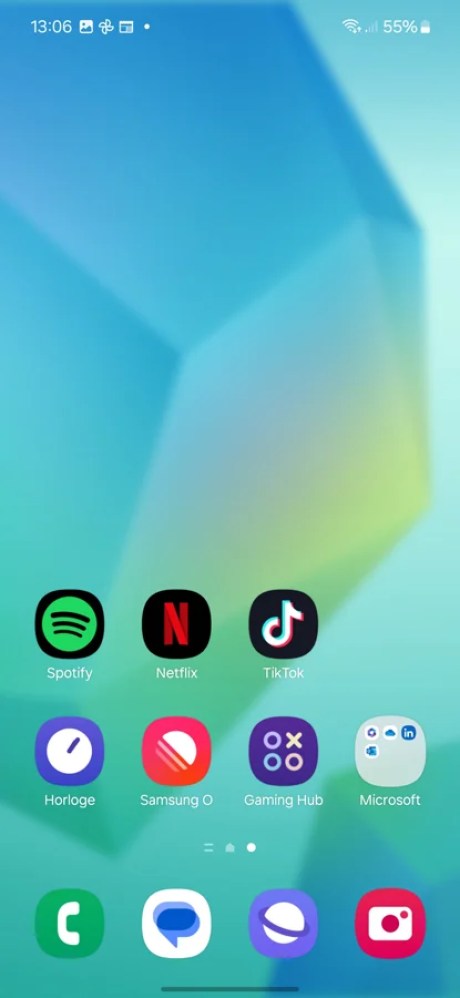
Beyond cosmetic changes, One UI 9 is rumored to introduce granular improvements to system performance and connectivity tools. One highly anticipated feature observed in development builds is the native integration of real-time network speed indicators in the status bar. Previously, users often relied on third-party applications to monitor data throughput, a practice that frequently resulted in increased battery consumption and privacy concerns. By integrating this natively, Samsung is addressing a long-standing request from its user base, as detailed in recent Samsung Community forum discussions where power users have consistently advocated for better network diagnostic tools.
Future Software Support and Security
Samsung’s evolving approach to software updates is not merely about adding new features; it is a fundamental component of its security strategy. By ensuring that devices receive the latest version of One UI and the underlying Android OS, the company mitigates vulnerabilities that could otherwise leave users exposed to emerging security threats. Current industry standards for mobile security updates are monitored by organizations like CISA, which encourages manufacturers to provide timely patches for all supported hardware.
The timeline for the official release of One UI 9 remains fluid, pending the conclusion of internal stress tests. Users should remain cautious of unofficial rumors regarding specific feature sets until Samsung releases its official changelog via its members app. The company typically provides updates through the “Software Update” section in the device’s settings menu, where users can check for the latest versions as they become available in their respective regions.
As we look toward the first quarter of 2025, the tech community expects more concrete details regarding the One UI 9 rollout schedule. I will continue to track these developments through official channels and provide updates as new information is confirmed. If you have questions about your specific device’s update status, please share them in the comments section below, and I will be happy to provide further context based on the latest available documentation.
Worth a look