European markets reached record highs this week following reports of a diplomatic breakthrough between the United States and Iran, a development that has triggered a significant cooling in global energy prices. Investors have responded to the potential for de-escalation in the Middle East by moving capital into equities, while crude oil benchmarks saw immediate downward pressure as the risk premium associated with regional conflict began to dissipate, according to market data from the International Energy Agency.
The shift in market sentiment reflects a broader reassessment of geopolitical risk. For global investors, the prospect of stabilized oil supply lines has provided a catalyst for growth, even as analysts warn that the underlying volatility in energy markets remains a structural concern. As of this week, Brent crude futures have adjusted to reflect the increased probability of diplomatic engagement, a move that has historically correlated with improved performance for European indices, including the STOXX Europe 600, as reported by the Financial Times.
Market Reaction and Equity Performance
Major European exchanges, including the DAX in Frankfurt and the CAC 40 in Paris, posted gains in the wake of the news. Financial analysts attribute this rally to the easing of inflation fears, which are closely linked to energy costs. When oil prices decline, the cost of production and logistics for European manufacturers drops, effectively providing a stimulus to the broader economy. According to data provided by Bloomberg, the correlation between energy price stabilization and equity growth has been particularly pronounced in the industrial and transportation sectors.
Investors appear to be pricing in a scenario where the geopolitical tension that defined much of the previous quarter is entering a period of relative calm. While equity markets are historically sensitive to Middle Eastern instability, the current rally demonstrates a strong appetite for risk-on assets when supply chain disruptions appear less imminent. However, market experts caution that the longevity of this record-breaking trend depends heavily on the consistency of the diplomatic framework between Washington and Tehran.
Impact on Energy Prices and Consumer Costs
The immediate impact of the news was felt most acutely in the energy commodities market. Crude oil prices dipped following the announcement, as traders unwound positions that were previously hedged against the possibility of a direct conflict. This reduction in the price of a barrel of oil is expected to eventually filter down to the retail level, though the timeline for relief at the fuel pump remains subject to regional taxation and distribution lags, as noted by the International Energy Agency.
In various European jurisdictions, the maximum retail price for diesel has shown signs of softening, with some markets tracking below the two-euro threshold for the first time in three months. While this provides short-term relief for consumers, energy policy experts emphasize that the global energy transition and existing supply constraints prevent a return to pre-conflict price levels. The volatility that characterized the market throughout the last year remains a factor, and national governments continue to monitor energy security protocols closely.
Geopolitical Context and Diplomatic Hurdles
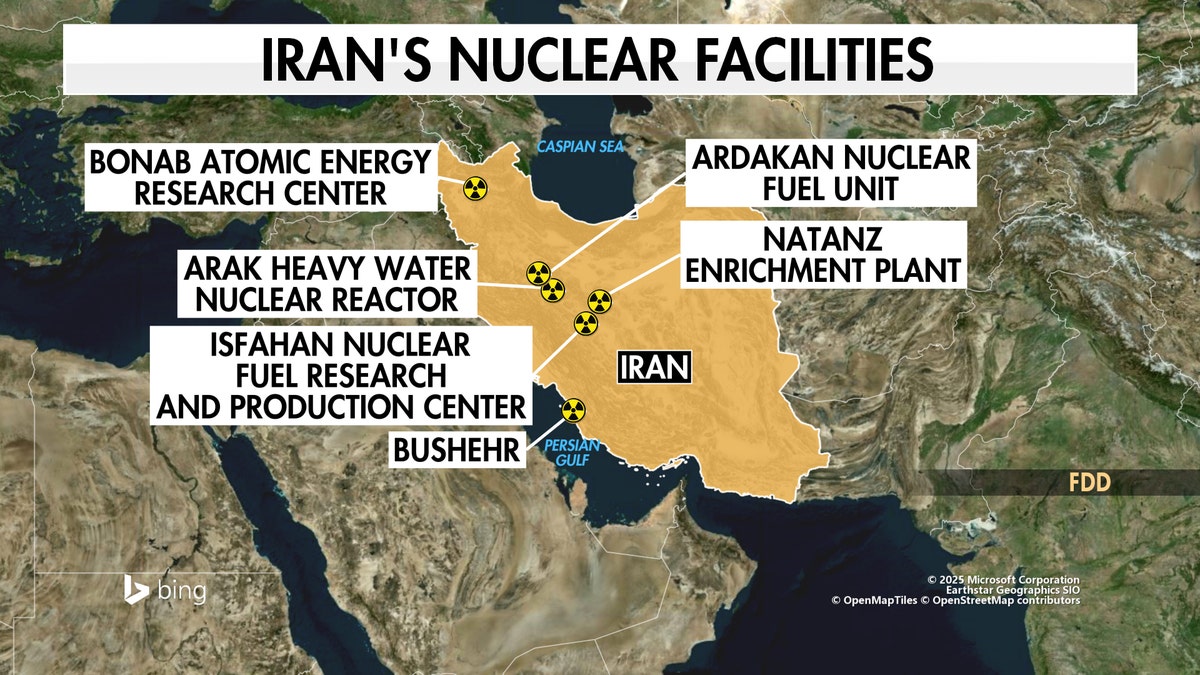
The diplomatic rapprochement between the United States and Iran is a complex, multi-layered process. The current market optimism is based on the assumption that these talks will lead to a sustained reduction in regional tensions. According to the U.S. Department of State, any formal agreement regarding sanctions or nuclear oversight involves rigorous verification steps that occur over months, not days. Investors are advised to view the current market record as a response to the *direction* of diplomacy rather than the final resolution of all bilateral disputes.
Historical precedents suggest that markets often overreact to the initial news of diplomatic breakthroughs, only to correct when the complexities of implementation become apparent. Analysts at major investment banks have pointed out that while the immediate “war premium” on oil has been removed, structural issues regarding global refinery capacity and supply chain logistics will continue to exert upward pressure on prices for the foreseeable future. The situation remains fluid, and market participants are awaiting further official statements from both the White House and the Iranian Foreign Ministry.
What Happens Next for Investors
The next major checkpoint for the markets will be the release of quarterly earnings reports for energy-heavy conglomerates, which will provide a clearer picture of how firms are adjusting their capital expenditure in response to the changing geopolitical landscape. Furthermore, upcoming meetings between international energy regulators will likely clarify the outlook for supply quotas for the remainder of the fiscal year, as tracked by the OPEC Secretariat.

For individual investors, the current environment necessitates a cautious approach. While the headlines suggest a period of stability, the underlying economic indicators—including central bank interest rate policies and global inflation targets—remain the primary drivers of long-term market health. Stakeholders are encouraged to consult official regulatory filings and central bank communiqués for the most accurate assessment of the ongoing economic transition.
Have you observed shifts in your local energy costs following these market developments? Share your perspective in the comments below or join our community newsletter for ongoing updates on global market trends.
Keep reading