
Developing nations are facing a growing development finance gap, with external capital flows—including private investment and official development assistance—shrinking at a critical time when public budgets are under pressure. According to the latest data from the United Nations Conference on Trade and Development (UNCTAD), net capital flows to developing countries fell by nearly $400 billion between 2021 and 2023, reversing a decade-long trend of gradual increase. The decline is driven by reduced private sector investment, tighter global monetary policy, and shifting priorities in official aid programs.
This financing shortfall threatens to deepen economic instability in vulnerable regions, where public debt levels have already surged due to pandemic-related spending and climate adaptation costs. The World Bank estimates that low-income countries now require an additional $2.5 trillion in financing over the next decade to meet the Sustainable Development Goals (SDGs), yet current trends suggest a widening gap between need and available resources.
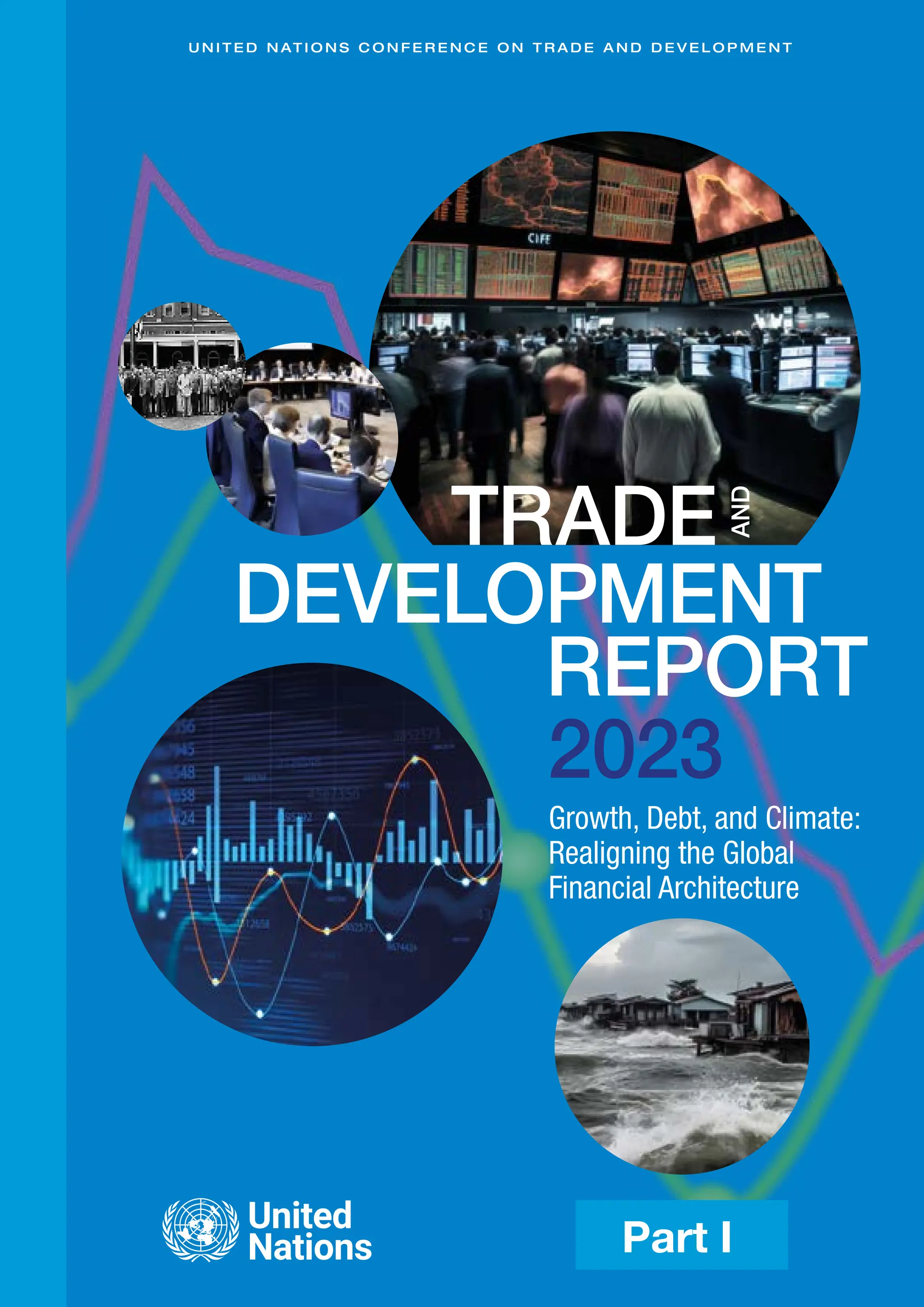
The shift is particularly pronounced in sub-Saharan Africa and small island developing states, where private capital inflows have dropped by 15% and 20% respectively since 2022, according to UNCTAD’s 2023 Development and Globalization Report. Meanwhile, official development assistance (ODA) from traditional donors has stagnated, with real ODA volumes declining for the first time in 20 years.
Why Are External Capital Flows Declining?
Three interconnected factors are driving the reduction in development finance:
- Private sector pullback: Rising interest rates in advanced economies have made emerging markets less attractive for portfolio investors. Data from the Institute of International Finance shows that emerging market bond issuance fell by 30% in 2023 compared to 2021, with developing countries accounting for nearly half of that decline.
- Official aid reallocation: Donor countries are redirecting development assistance toward humanitarian crises and climate adaptation, while traditional ODA to middle-income countries has been cut. The OECD reports that ODA to the least developed countries grew by just 0.3% in real terms in 2023, the smallest increase since 2015.
- Debt sustainability concerns: The G20’s Common Framework for Debt Treatments has led to more cautious lending practices, with multilateral institutions like the World Bank and IMF tightening eligibility criteria for concessional financing.
The consequences are already visible in countries like Ghana, where foreign exchange reserves have fallen to critical levels, and Sri Lanka, which declared bankruptcy in 2022 after years of capital flight. “This isn’t just a liquidity crisis—it’s a structural financing gap that will limit growth prospects for an entire generation if not addressed,” warns IMF Managing Director Kristalina Georgieva.
How the Financing Gap Affects Different Regions
The impact varies significantly by region, with some areas facing more acute shortages than others:
| Region | Change in Net Capital Flows (2021–2023) | Primary Drivers | Key Vulnerabilities |
|---|---|---|---|
| Sub-Saharan Africa | -15% (private capital); ODA flat | Commodity price volatility, debt distress | Food security, infrastructure deficits |
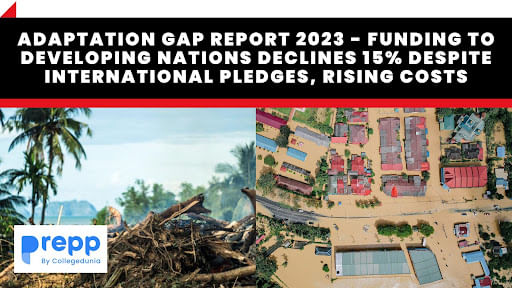
| Small Island Developing States | -20% (private); climate finance down 12% | Climate-related risks, limited tax bases | Resilience to natural disasters |
| South Asia | -8% (remittances down 5%); FDI stable | Global slowdown, currency depreciation | Job creation, import costs |
| Latin America & Caribbean | +3% (FDI growth); portfolio flows down 18% | Commodity exports recovery, political instability | Inequality, social spending |
UNCTAD’s regional analysis shows that while some countries like Vietnam and Rwanda have managed to attract increased foreign direct investment (FDI), the overall trend is one of contraction. “The data reveals a two-speed recovery where a few upper-middle-income countries are benefiting from global supply chain shifts, while the poorest nations are being left further behind,” says Rebecca Grynspan, UNCTAD Secretary-General.
What Happens Next? Policy Responses and Uncertainty
International financial institutions are scrambling to respond, with three main approaches emerging:
- Debt restructuring initiatives: The G20’s Common Framework has led to debt treatment agreements for 23 countries, but implementation remains slow. The IMF’s Resilience and Sustainability Trust, launched in 2021, has provided $34 billion in concessional financing to date, but demand far outstrips supply.
- Blended finance models: Development banks are increasingly using guarantees and first-loss capital to de-risk private investments in fragile states. The World Bank’s $1.1 billion Africa Guarantee Fund for Investment is one example of this approach.
- Domestic resource mobilization: Countries like Ethiopia and Rwanda are implementing tax reforms and digital financial inclusion programs to reduce reliance on external financing. However, these efforts require strong institutional capacity that many developing nations lack.
Yet challenges remain. The World Bank’s Debt Sustainability Framework continues to face criticism for being too rigid, while private sector engagement remains limited by perceived risks. “We’re seeing a perfect storm of high debt levels, low growth, and shrinking aid—this combination hasn’t been seen since the 1980s debt crisis,” notes IMF Chief Economist Pierre-Olivier Gourinchas.
Key Takeaways: The Road Ahead
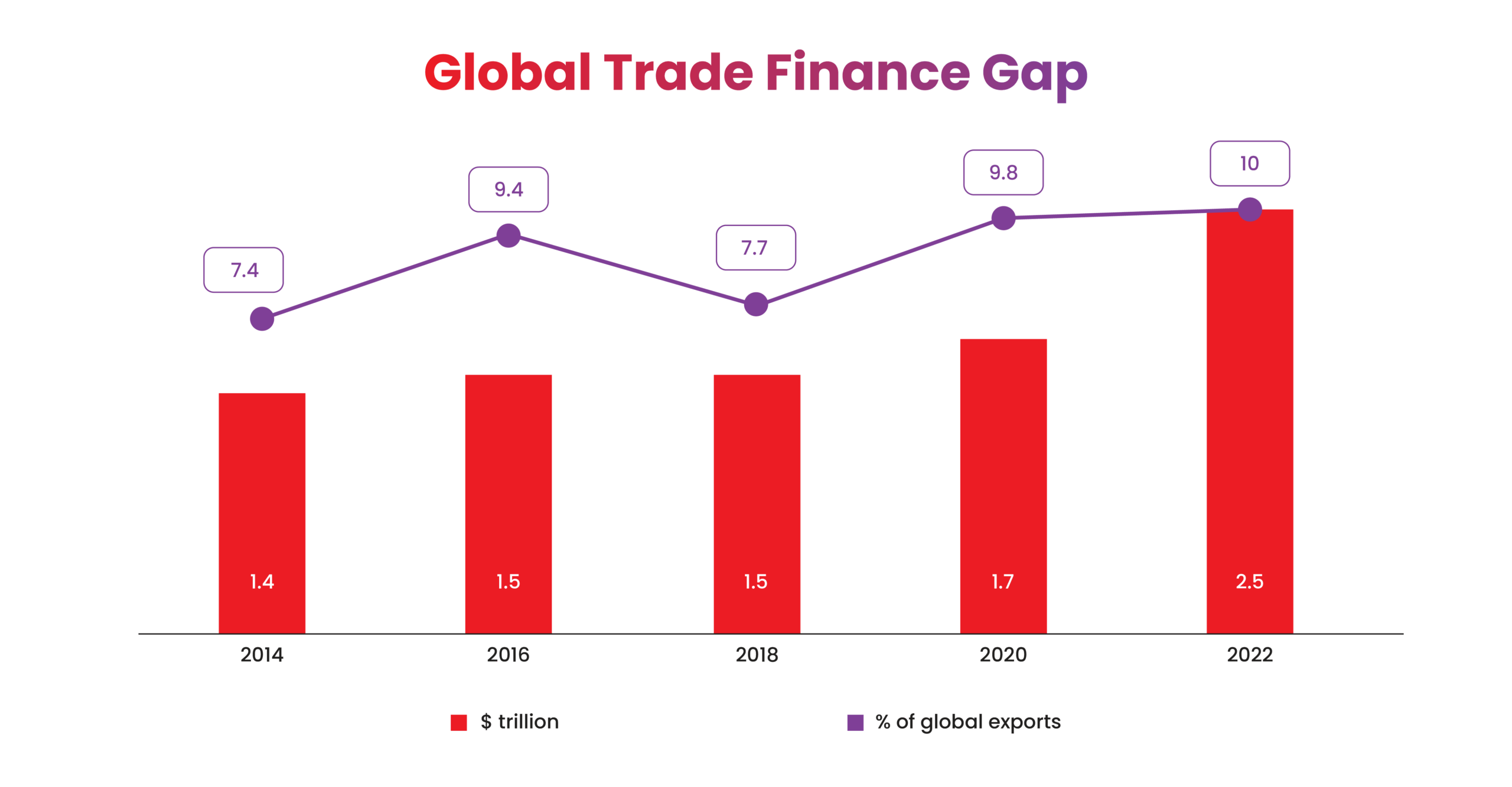
- The development finance gap is now estimated at $1.4 trillion annually—nearly double the shortfall projected before the pandemic (UN SDG Financing Report).
- Private capital flows to developing countries have fallen for the first time in 20 years, with emerging markets now receiving less than 10% of global portfolio investment (IIF data).
- Official development assistance remains concentrated in humanitarian crises, with just 12% of ODA going to the poorest countries (OECD DAC data).
- Debt sustainability remains the biggest constraint, with 58 developing countries now classified as in or at high risk of debt distress (IMF WEO).
- Blended finance and domestic resource mobilization offer the most promising solutions, but require significant scaling and institutional reforms.
Where to Find Official Updates and Resources
Readers seeking the latest data and policy developments can consult the following authoritative sources:
- UNCTAD Press Releases – Regular updates on development finance trends
- World Bank Debt Sustainability Framework – Technical guidance on debt management
- OECD Development Assistance Committee – Official ODA statistics and donor commitments
- IMF World Economic Outlook – Quarterly analysis of global capital flows
- UN SDG Financing Tracker – Progress on meeting the $2.5 trillion SDG financing gap
The next major checkpoint for development finance discussions will be the Second International Conference on Financing for Development, scheduled for December 2025 in Paris. This follow-up to the 2015 Addis Ababa conference is expected to focus on mobilizing private capital, reforming international tax systems, and strengthening debt transparency mechanisms. In the meantime, the UNCTAD’s June 2024 Commission on Trade and Development will provide an early indicator of whether multilateral efforts are gaining traction.
For readers with specific questions about how this financing gap affects particular countries or sectors, or for analysis of potential policy solutions, we welcome your comments below. Share this article if you found it useful, and stay tuned for our upcoming series on innovative financing mechanisms for climate adaptation in developing economies.
Related reading