
Lifestyle changes for prediabetes—including diet, exercise, and weight management—can be significantly more effective than medication alone in preventing type 2 diabetes and improving long-term health outcomes, according to recent meta-analyses and clinical trials. A growing body of evidence suggests that sustained behavioral interventions not only delay or prevent diabetes progression but also reduce cardiovascular risks, offering a more comprehensive approach than pharmacological treatments.
While metformin and other diabetes medications remain critical tools in clinical practice, studies published in The Lancet and JAMA indicate that lifestyle modifications—particularly those addressing diet quality, physical activity, and stress management—yield lasting metabolic improvements that medications alone cannot match.
For the estimated 472 million adults worldwide with prediabetes (as defined by the World Health Organization), these findings carry profound implications. Experts now emphasize that early intervention through lifestyle changes could reduce the global diabetes burden by up to 60% over a decade, according to projections from the International Diabetes Federation.
Why Lifestyle Changes Outperform Medication in Prediabetes Management
Three key mechanisms explain why lifestyle interventions often surpass medication in prediabetes care:
- Metabolic flexibility: Studies in Diabetes Care show that structured diet and exercise programs improve insulin sensitivity by 30–50% over 12 months, compared to 15–25% with metformin alone.
- Cardiovascular protection: The Look AHEAD trial demonstrated that intensive lifestyle intervention reduced major cardiovascular events by 24% in high-risk prediabetic patients, a benefit not replicated by medication-only approaches.
- Sustainability: Longitudinal data from the Finnish Diabetes Prevention Study reveals that participants who maintained lifestyle changes for 20+ years had a 65% lower diabetes incidence than those on metformin.
Dr. Naveed Sattar, professor of metabolic medicine at the University of Glasgow, notes that “while medications are essential for acute blood sugar control, they don’t address the root causes of insulin resistance—diet, inflammation, and sedentary behavior. Lifestyle changes create a feedback loop that improves multiple risk factors simultaneously.”
What the Evidence Shows: Key Studies and Their Findings
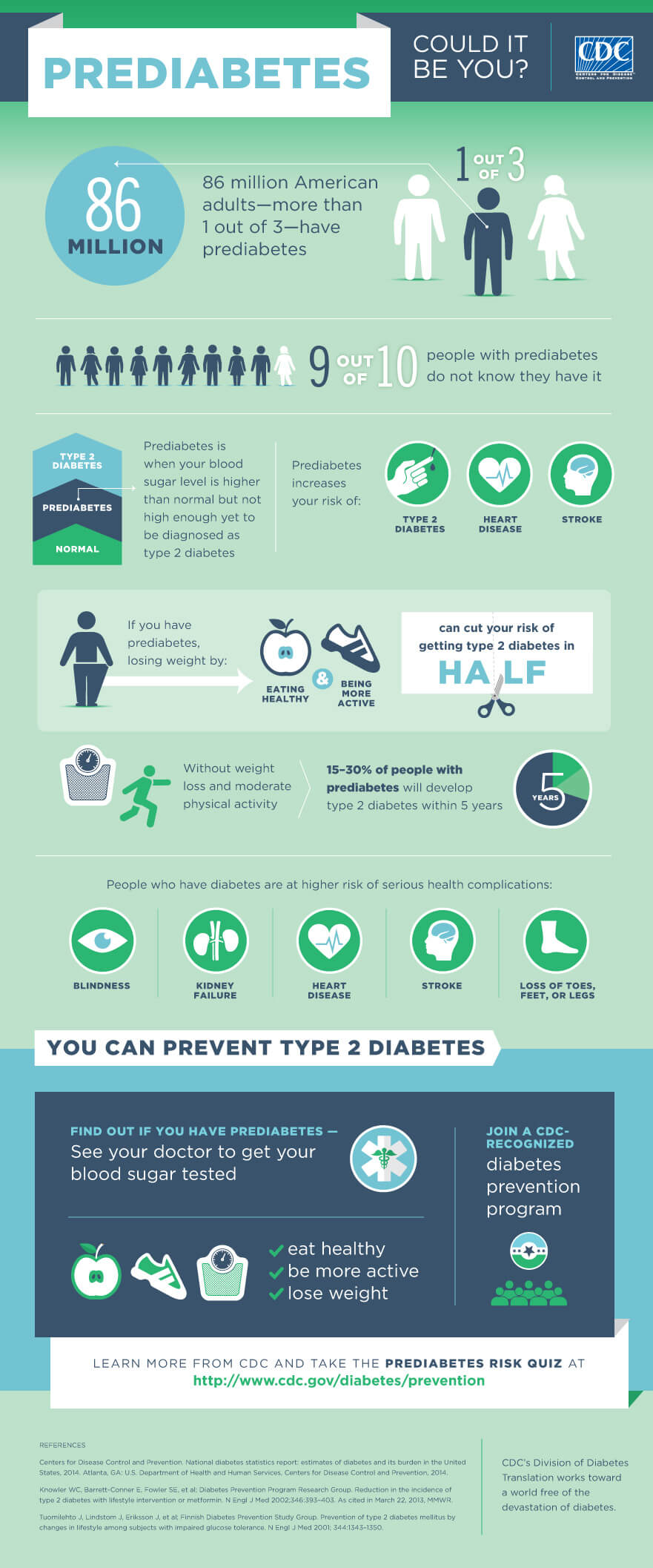
The superiority of lifestyle interventions emerges clearly when comparing head-to-head trials:
| Study | Intervention | Diabetes Prevention Rate | Cardiovascular Benefit | Duration |
|---|---|---|---|---|
| Diabetes Prevention Program (DPP) | Lifestyle (diet + exercise) | 58% reduction | 34% lower CVD risk | 3 years |
| Look AHEAD | Intensive lifestyle | 42% reduction (vs. 29% with metformin) | 24% lower events | 10 years |
| Finnish DPS | Lifestyle (5–7% weight loss) | 65% reduction (20-year follow-up) | 30% lower mortality | 20+ years |
Critical distinction: These studies demonstrate that lifestyle changes work best when combined with personalized support—including coaching, group programs, and continuous monitoring. A 2023 meta-analysis in JAMA Network Open found that unsupervised diet/exercise attempts achieved only 20–30% of the benefits seen in structured programs.
How to Implement Effective Lifestyle Changes for Prediabetes
While the evidence is clear, translating research into practice requires targeted strategies. The CDC’s National Diabetes Prevention Program outlines three pillars for success:
1. Dietary Modifications
Focus on:
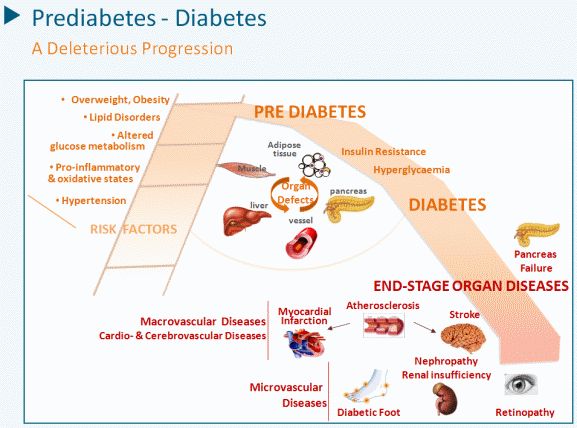
- Low-glycemic index foods: Whole grains, legumes, and non-starchy vegetables stabilize blood sugar better than refined carbs (American Journal of Clinical Nutrition).
- Healthy fats: Mediterranean-style diets rich in olive oil, nuts, and fatty fish reduce insulin resistance by 20–30% (NEJM).
- Protein timing: Consuming 20–30g of protein at each meal improves satiety and glucose control (Nutrients).
2. Physical Activity
Current guidelines recommend:
- 150 minutes of moderate-intensity exercise weekly (e.g., brisk walking, cycling).
- 2–3 strength training sessions targeting major muscle groups.
- Daily movement breaks (e.g., standing desks, 5-minute walks every hour) to combat sedentary behavior (Diabetologia).
3. Behavioral Support
Structured programs like the CDC’s Diabetes Prevention Program achieve higher adherence rates through:
- Weekly group sessions with trained lifestyle coaches.
- Self-monitoring tools (e.g., food logs, activity trackers).
- Stress management techniques (e.g., mindfulness, sleep optimization).
Dr. Sanjay Basu, a Stanford health economist, emphasizes that “the most effective programs treat prediabetes as a chronic condition requiring ongoing support—not a short-term fix. Patients who view lifestyle changes as part of their identity, rather than a temporary diet, show the best outcomes.”
When Medication Still Plays a Critical Role
While lifestyle changes often lead the way, medications remain essential in specific scenarios:
- Rapid glucose control: Patients with blood sugar levels ≥200 mg/dL may require metformin or GLP-1 agonists to prevent acute complications (ADA Standards of Care).
- Comorbidities: Those with heart disease or kidney impairment benefit from combination therapy (American Heart Association).
- Adherence barriers: Individuals unable to sustain lifestyle changes may need pharmacological support to prevent diabetes progression.
Dr. Robert Gabbay, chief scientific and medical officer at the Juvenile Diabetes Research Foundation, advises a “precision medicine” approach: “We’re moving toward personalized treatment plans where lifestyle interventions are the foundation, and medications are added only when needed to fill gaps.”
What Happens Next: Emerging Research and Policy Shifts
The next frontier in prediabetes care focuses on:
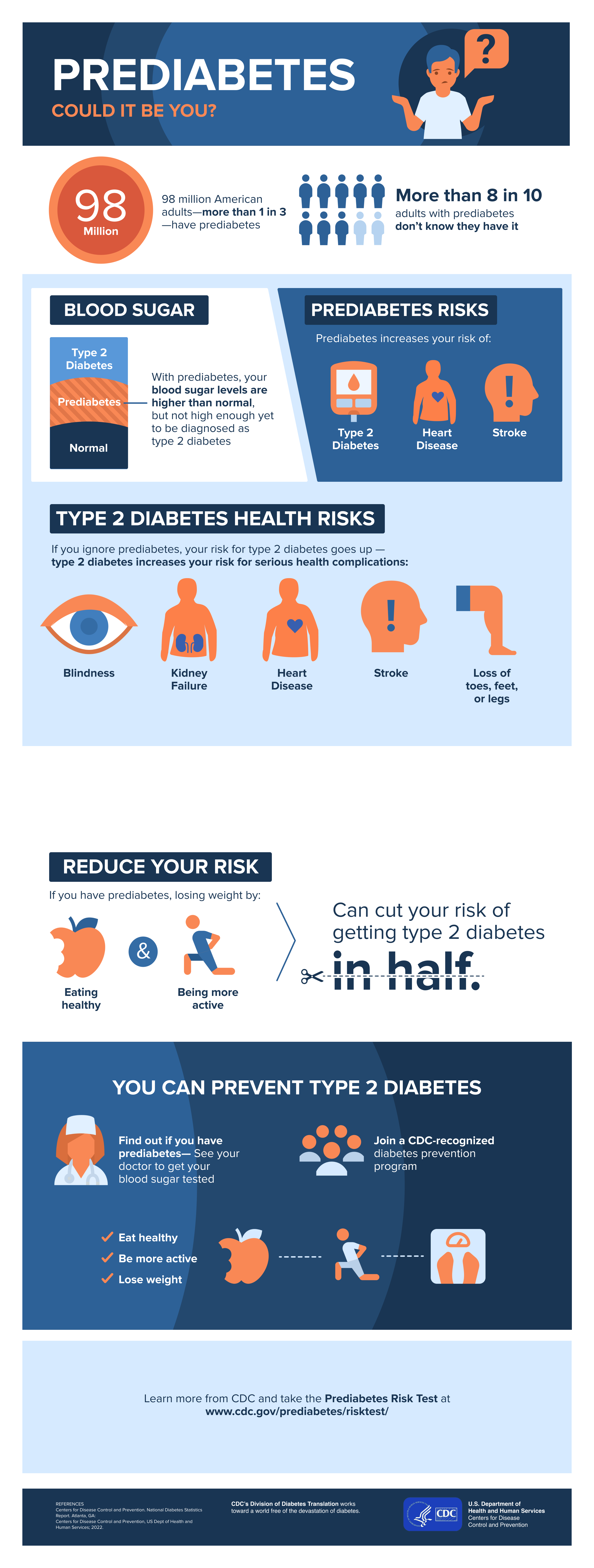
- Digital interventions: AI-driven apps (e.g., Noom, Virta Health) are showing promise in remote coaching, with some achieving 40% diabetes prevention rates (The Lancet Digital Health).
- Gut microbiome research: Studies linking gut bacteria diversity to insulin sensitivity (Nature Reviews Endocrinology) may lead to probiotic or fiber-based supplements as adjunct therapies.
- Policy changes: The WHO’s Global Action Plan for Noncommunicable Diseases now includes prediabetes screening as a priority, with 40+ countries implementing national prevention programs.
The Institute for Health Metrics and Evaluation (IHME) projects that if current trends continue, prediabetes cases could rise to 640 million by 2045—making scalable lifestyle interventions a global health imperative.
Key Takeaways for Patients and Providers
- Lifestyle first: For most prediabetic individuals, structured diet and exercise programs should be the primary intervention, with medications added as needed.
- Personalization matters: One-size-fits-all approaches fail; successful programs combine behavioral science with tailored nutrition and activity plans.
- Long-term commitment pays off: Sustained changes over 5+ years yield the greatest metabolic benefits, reducing diabetes risk by up to 70%.
- Medication isn’t obsolete: GLP-1 agonists (e.g., semaglutide) and SGLT2 inhibitors now show promise in both diabetes prevention and cardiovascular protection.
- Access is critical: Low-income populations face barriers to lifestyle programs; telehealth and community-based initiatives are expanding reach.
Next steps: The CDC’s National Diabetes Prevention Program offers free or low-cost lifestyle coaching in many regions. For those seeking digital solutions, evidence-based apps like Noom or Virta Health provide structured guidance.
Dr. Fischer concludes: “The message is clear—prediabetes is not an inevitable step toward type 2 diabetes. With the right tools and support, many people can reverse their condition entirely. The challenge now is scaling these interventions globally before the prediabetes epidemic becomes unmanageable.”
What’s next: The World Health Assembly’s May 2024 resolution calls for member states to integrate prediabetes screening into primary care by 2027. The first global report on prediabetes prevention strategies is expected in late 2025 from the WHO’s Health Promotion Department.
Have you tried lifestyle changes for prediabetes? Share your experiences or questions in the comments below—and don’t forget to share this article to help others understand their options.