
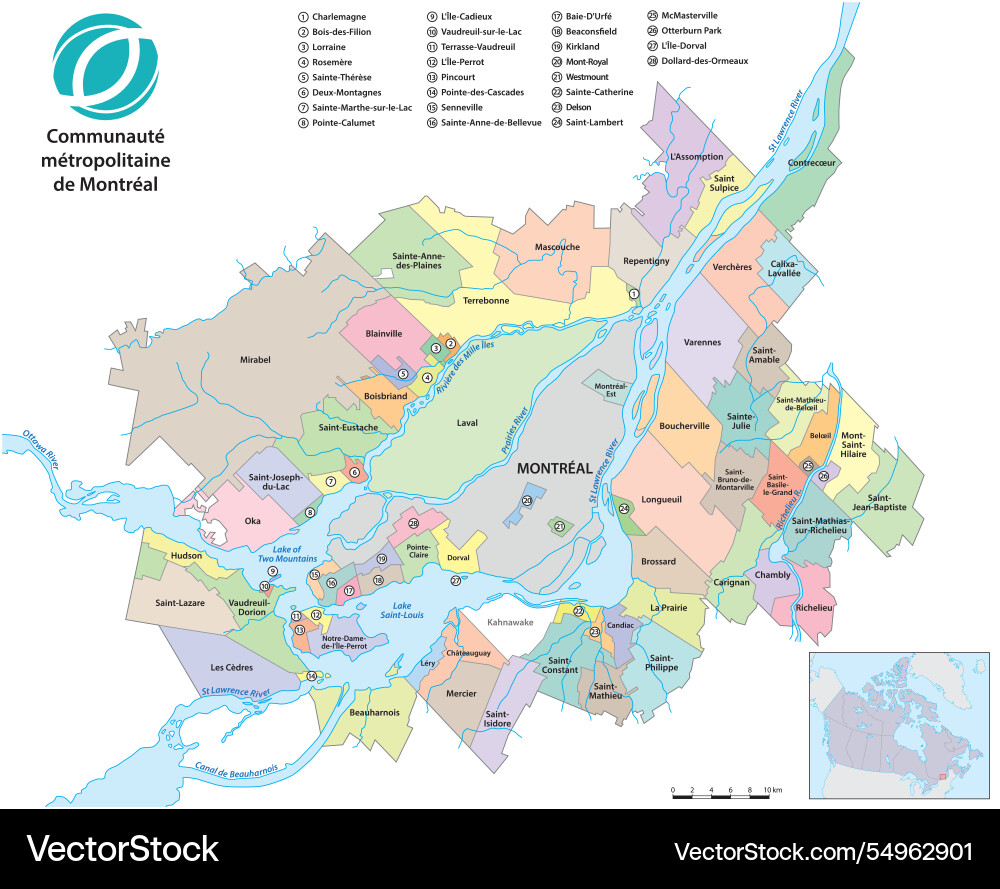
Health authorities in Quebec have confirmed the presence of rabies in several raccoons found dead in the Magog area, signaling a potential expansion of the virus into the Estrie region. Local reports indicate that these fatalities have prompted increased vigilance from public health officials as the virus shows signs of moving toward the Greater Montreal area. Residents are being advised to maintain strict distance from all wildlife and to ensure their domestic pets are up to date on rabies vaccinations.
The discovery of these raccoon carcasses in Magog follows previous detections of the virus in other parts of the province, including a confirmed case in Saint-Paul-de-l’Île-aux-Noix. The Ministère de l’Agriculture, des Pêcheries et de l’Alimentation (MAPAQ) and local health authorities are monitoring the situation to track the movement of the disease through wildlife populations. While the risk to humans remains statistically low, the potential for transmission to domestic animals and accidental human contact necessitates immediate preventative measures.
Where is the rabies outbreak occurring in Quebec?
The current focus of wildlife rabies monitoring is centered on the Estrie region, specifically around Magog, where dead raccoons have been identified. This follows earlier reports of rabies activity in the Montérégie region, notably in Saint-Paul-de-l’Île-aux-Noix. Epidemiologists are concerned that the movement of infected wildlife may facilitate the spread of the virus toward the more densely populated Greater Montreal area.
Rabies in Quebec is often linked to the movement of various wildlife species, including raccoons, skunks, and foxes. When a raccoon dies from rabies, it is often due to the neurological damage caused by the virus, which leads to paralysis and eventual respiratory failure. Because these animals often congregate near human habitats for food, the risk of contact between infected wildlife and domestic environments increases.
How is rabies transmitted from raccoons to humans and pets?
Rabies is a viral disease caused by a lyssavirus that attacks the central nervous system. Transmission occurs primarily through the saliva of an infected animal, typically via a bite or a scratch that breaks the skin. In some instances, the virus can enter the body through mucous membranes, such as the eyes, nose, or mouth, if saliva comes into direct contact with these areas.
For pet owners, the primary risk is direct contact with wildlife. Dogs and cats that hunt raccoons or encounter them in backyards are at high risk of being bitten or scratched. If a pet is suspected of having been in contact with a rabid animal, veterinary officials recommend immediate isolation and consultation with a veterinarian regarding post-exposure prophylaxis (PEP).
In humans, the virus is almost always fatal once clinical symptoms appear. However, if medical intervention—specifically a series of rabies vaccines—is administered promptly after exposure and before symptoms manifest, the disease is preventable. Health officials emphasize that any contact with an animal displaying unusual behavior, such as extreme aggression or unusual lethargy, should be treated as a potential exposure.
What are the official safety recommendations for residents?
Public health agencies have issued several directives to mitigate the risk of transmission during this period of increased wildlife activity. To protect both human and animal health, officials recommend the following actions:

- Avoid all contact with wildlife: Do not attempt to touch, feed, or approach raccoons, even if they appear sick, injured, or unusually friendly.
- Secure pet vaccinations: Ensure that all dogs and cats are current on their rabies vaccination schedules. This is the most effective defense for domestic animals.
- Manage attractants: Keep trash cans tightly sealed and avoid leaving pet food outdoors, as these can attract raccoons to residential properties.
- Report sightings: If you encounter a raccoon acting strangely—such as stumbling, appearing disoriented, or being active during the day when they are typically nocturnal—contact local municipal authorities or animal control immediately.
Identifying rabies symptoms in wildlife and domestic animals
Recognizing the signs of rabies early can save lives. In wildlife, the virus often manifests in two distinct ways: the “furious” form and the “paralytic” form. The furious form is characterized by heightened aggression, irritability, and a loss of fear of humans. The paralytic form, which is more commonly observed in the deaths found in Magog, involves a gradual loss of coordination, muscle weakness, and eventual paralysis.
In domestic animals, symptoms may include changes in behavior, such as sudden aggression or unusual hiding, as well as physical signs like excessive drooling, difficulty swallowing, and changes in gait. Because these symptoms can mimic other illnesses, any sudden behavioral shift in a pet that has had access to the outdoors should be treated with caution.
Comparison of Rabies Manifestations
| Feature | Furious Rabies | Paralytic Rabies |
|---|---|---|
| Primary Behavior | Extreme aggression and agitation | Lethargy and loss of coordination |
| Interaction | Attacks objects or people | Appears “tame” or unresponsive |
| Physical Signs | Hyperactivity, vocalization | Drooling, paralysis, stumbling |
Why this movement toward Montreal matters for public health
The movement of rabies from rural or semi-rural areas like Magog toward urban centers like Montreal represents a significant public health challenge. Urban environments provide abundant food sources and shelter, which can support larger populations of raccoons, potentially leading to faster viral transmission within the species. As the virus moves closer to high-density human populations, the frequency of potential human-wildlife encounters naturally rises.
:max_bytes(150000):strip_icc()/canada-quebec-province-quebec-city-in-winter-the-upper-town-of-old-quebec-declared-a-world-heritage-by-unesco-536911491-574d04ab5f9b5851656345f6.jpg "Why this movement toward Montreal matters for public health")
Public health strategy in these scenarios relies on “barrier” management—monitoring wildlife corridors and maintaining high vaccination rates in domestic animals to prevent the virus from establishing a foothold in urban raccoon populations. The current situation in Magog serves as a critical indicator for health officials to prepare for increased surveillance in the Greater Montreal area.
Key Takeaways for Residents:
- Confirmed rabies cases have been found in raccoons in Magog, Quebec.
- The virus is moving through wildlife populations toward the Greater Montreal area.
- The primary transmission route is through saliva via bites or scratches.
- Vaccinating pets is the most critical preventative step for household safety.
- Avoid all contact with wildlife and report suspicious animal behavior to local authorities.
Local authorities will continue to conduct carcass testing and wildlife monitoring to determine the extent of the outbreak. Residents should monitor official updates from MAPAQ and local municipal health departments for further developments regarding wildlife activity in their specific areas.
Do you live in the Estrie or Montérégie region? Have you noticed unusual wildlife behavior in your neighborhood? Share your observations in the comments below to help inform your community.
Keep reading